2026 Top Thhn Wire Buyers Guide What You Need to Know
In the ever-evolving electrical industry, choosing the right materials is crucial for safety and efficiency. THHN wire is a popular choice among electricians due to its durability and versatility. A report from the National Electrical Manufacturers Association indicates that THHN wire accounts for nearly 30% of wire and cable sales in North America. This statistic underscores the importance of understanding what to look for when purchasing THHN wire.
Potential buyers must consider various factors such as insulation type, conductivity, and temperature ratings. Decisions on these aspects can significantly affect project outcomes. For instance, selecting the wrong wire gauge may lead to overheating and increased operational costs, as noted in studies by the International Association of Electrical Inspectors.
Furthermore, while many suppliers claim quality assurance, it’s wise to research vendor reliability. Not all products labeled as THHN wire meet the same standards. Past incidents have demonstrated that some wires, due to manufacturing defects, failed under load. Thus, understanding the nuances of THHN wire is essential to ensure safety and meet regulatory standards.
Understanding THHN Wire: Types and Specifications
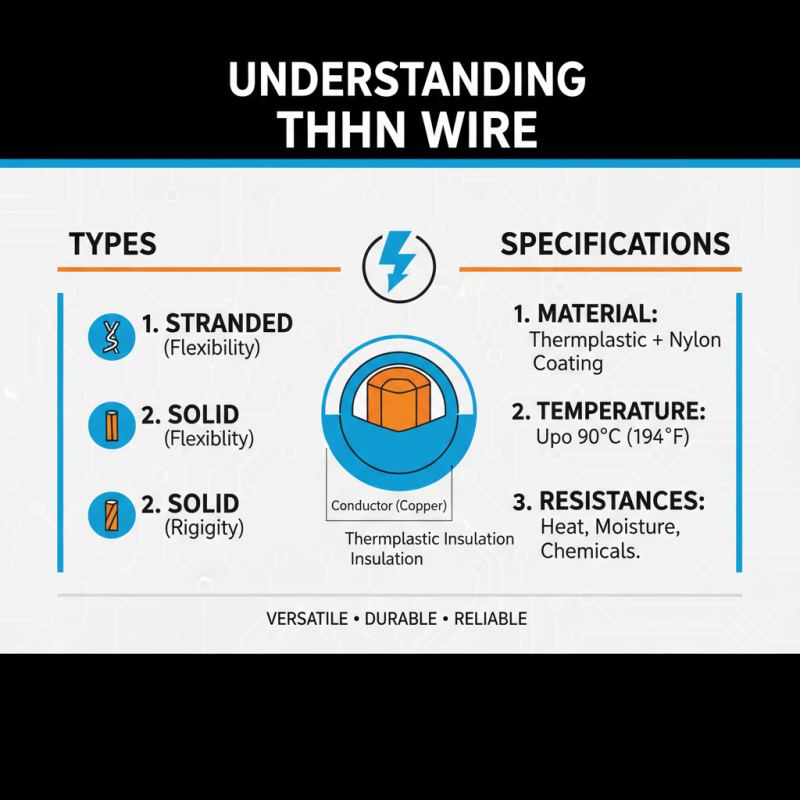
THHN wire is crucial for various electrical applications. Understanding its types and specifications helps ensure proper use. THHN stands for Thermoplastic High Heat-resistant Nylon-coated wire. This wire is popular due to its versatility and strength. It can handle high temperatures and is resistant to chemicals.
When selecting THHN wire, consider its gauge. Wire gauge impacts the amount of current it can handle. Thicker wire allows for more current, which is vital for heavy machinery. Another aspect to examine is the insulation material. The nylon coating provides durability and protection against environmental factors.
However, not all applications require THHN wire. For instance, a simpler project may not need its robust specifications. Evaluating project requirements is key to making informed choices. Don't rush this process. Understand your needs to avoid costly mistakes. Remember, the right wire contributes to safety and efficiency.
Key Features of THHN Wire for Buyers in 2026
When considering THHN wire in 2026, understanding its key features is essential for informed purchasing. THHN wire, known for its versatility, is widely used in residential and commercial wiring. It consists of an insulated copper or aluminum conductor, and its insulation is made from a thermoplastic material. This construction provides excellent resistance to heat and moisture, making it ideal for various applications.
According to industry reports, THHN wire typically handles temperatures up to 90°C. Its voltage rating is usually 600 volts. This makes it suitable for power distribution in a range of environments, including industrial settings. It's crucial to note that while THHN wire is rated for certain conditions, proper installation practices and adherence to local codes are vital for safety and reliability.
Additionally, buyers should consider the wire's ampacity, which refers to the maximum amount of electric current the wire can carry. Insufficient ampacity can lead to overheating and potential hazards. Different gauges offer varying ampacity ratings, which should align with specific project needs. Potential buyers must reflect on these features to ensure they select the right wire for their unique applications. Each installation presents its own challenges and adaptations, necessitating careful consideration before making a choice.
Comparative Analysis of Leading THHN Wire Brands in 2026
When choosing THHN wire in 2026, it's essential to understand the key differences among various brands. Industry reports indicate that insulation quality significantly impacts electricity performance and longevity. Many leading manufacturers emphasize high-temperature resistance and abrasion durability. However, not all claims are equally valid. Independent testing often reveals variations in actual wire performance.
Comparing the thermal ratings, some brands boast impressive heat resistance but fail in flexibility. Unlike fully compliant THHN wires, these may lead to installation challenges. Additionally, users should note that some wires labeled as traditional THHN do not meet updated safety standards. The most reliable brands have consistently passed rigorous safety certifications, showcasing their superior dielectric strength.
Price is another critical factor. While premium wires may offer greater performance, budget-friendly options can sometimes outperform expectations. Users report mixed experiences with low-cost selections. Some have faced unintentional failures, while others found solid alternatives. It’s crucial to research thoroughly and consult reliable sources for the best purchasing decisions. Together, these insights empower buyers to make informed choices for their electrical projects.
Safety Standards and Compliance for THHN Wire Usage
When considering THHN wire, it's crucial to prioritize safety standards and compliance. This wire type is commonly used in various electrical applications. However, incorrect usage can lead to hazards. Adhering to established ANSI/NFPA standards is essential. These regulations help ensure the wire's insulation and conductors meet safety thresholds.
Understanding the National Electrical Code (NEC) is vital for safe installation. The NEC outlines requirements for wire type and usage. It's designed to prevent electrical failures and fire hazards. Users must verify that the wire is rated appropriately for its intended use. Many overlook this, placing themselves and others at risk.
Regular inspections can enhance safety. Users should check for signs of wear or damage. If issues are noted, immediate remediation is necessary. Not everyone considers the long-term implications of improper usage. Safety is not just a guideline; it's a necessity. Compliance with safety standards can prevent accidents and promote longevity in wiring systems.