2026 Top Trends in Three Phase Armoured Cable Technology?
As industries evolve, the importance of reliable energy transmission grows. The use of Three Phase Armoured Cables is on the rise. According to a recent market report by Allied Market Research, the global market for armoured cables is expected to reach USD 28 billion by 2026. This growth reflects increasing demands in sectors such as renewable energy and automation.
Dr. Emily Carter, a noted expert in power distribution, emphasizes this trend: "Three Phase Armoured Cables are essential for ensuring safety and efficiency in a rapidly changing energy landscape." Despite clear advancements, challenges persist. For instance, manufacturers must continuously innovate to meet emerging standards and environmental concerns.
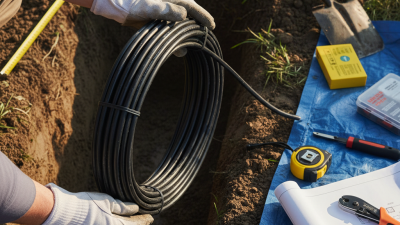
Moreover, while technology progresses, the need for skilled installation and maintenance remains critical. As we look towards 2026, staying ahead of trends in Three Phase Armoured Cable technology will be vital for engineers and project managers alike. Balancing innovation with responsibility will shape the future of this crucial sector.

Emerging Technologies in Three Phase Armoured Cable Design
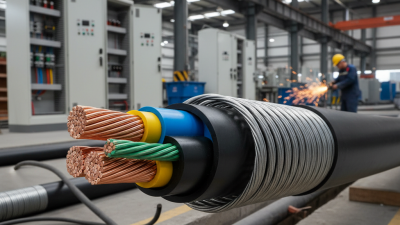
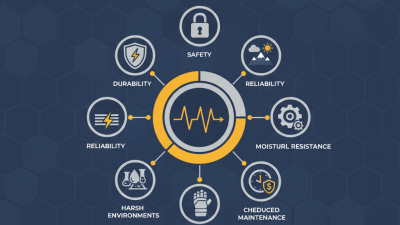
Three-phase armoured cable technology is evolving rapidly. New designs focus on improving efficiency and resistance. These cables need to endure harsh environments, so advancements in materials are crucial. Innovative insulation techniques reduce energy loss. Enhanced durability ensures longer lifespans, reducing waste.
The integration of smart technology is another notable trend. Sensors embedded in cables monitor conditions in real time. This allows for proactive maintenance, potentially preventing failures. However, this technology isn't flawless. Reliability may vary depending on the environment and installation quality.
Additionally, sustainability is becoming a major concern. Manufacturers explore eco-friendly materials that minimize environmental impact. There is a growing push for recyclable components. Yet, balancing performance and sustainability remains a challenge. More research is needed to find the right materials that don't compromise on efficiency.
2026 Top Trends in Three Phase Armoured Cable Technology
Enhanced Durability and Performance Features of Armoured Cables
The enhanced durability of three-phase armoured cables is reshaping electrical infrastructure. Recent studies show that cables with advanced materials can resist environmental stresses better. For instance, cables with polyethylene insulation can withstand higher temperatures and offer improved resistance to chemical exposure. Their lifespan can increase by up to 30% compared to traditional options.
Performance features are equally compelling. Enhanced shielding technologies reduce electromagnetic interference, ensuring signal integrity. Data from industry reports indicate that cables designed with these improvements can offer up to a 25% increase in energy efficiency. As energy demands grow, this efficiency becomes crucial. However, while advancements are promising, the investment costs may deter some users. Balancing costs and benefits will remain essential for broader adoption.
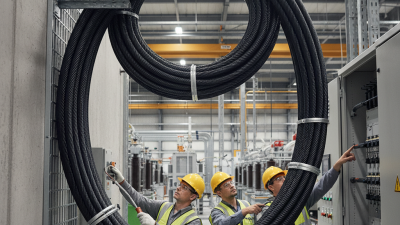
Maintenance is another important aspect. Even with improved durability, periodic checks are necessary. Some cables may exhibit wear from external factors despite their robust design. Regular inspection can prevent unexpected shutdowns. An ideal scenario involves integrating smart technology to monitor cable conditions in real time. This approach may not be widely implemented yet, but it could lead to significant long-term savings and efficiency.
Innovations in Electrical Insulation Materials for Improved Safety
The evolving landscape of electrical insulation materials is reshaping three-phase armoured cable technology. Innovations are enhancing safety standards, which is crucial in reducing incidents in electrical applications. Reports estimate that the market for advanced insulation materials will exceed $5 billion by 2026, indicating robust growth driven by safety regulations.
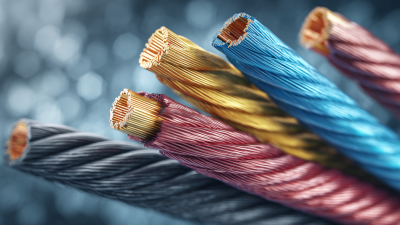
Modern materials like cross-linked polyethylene (XLPE) and advanced thermoplastics are now vital. They enhance temperature resistance and reduce wear under extreme conditions. This has improved durability while addressing environmental concerns. However, challenges remain regarding the long-term performance of these new materials under various conditions.
Tips: Always consider the application’s environment when selecting cable insulation. Regular maintenance is vital to avoid premature failures. Evaluate the life expectancy of materials in real-world scenarios.
Integration of Smart Technology in Armoured Cable Systems
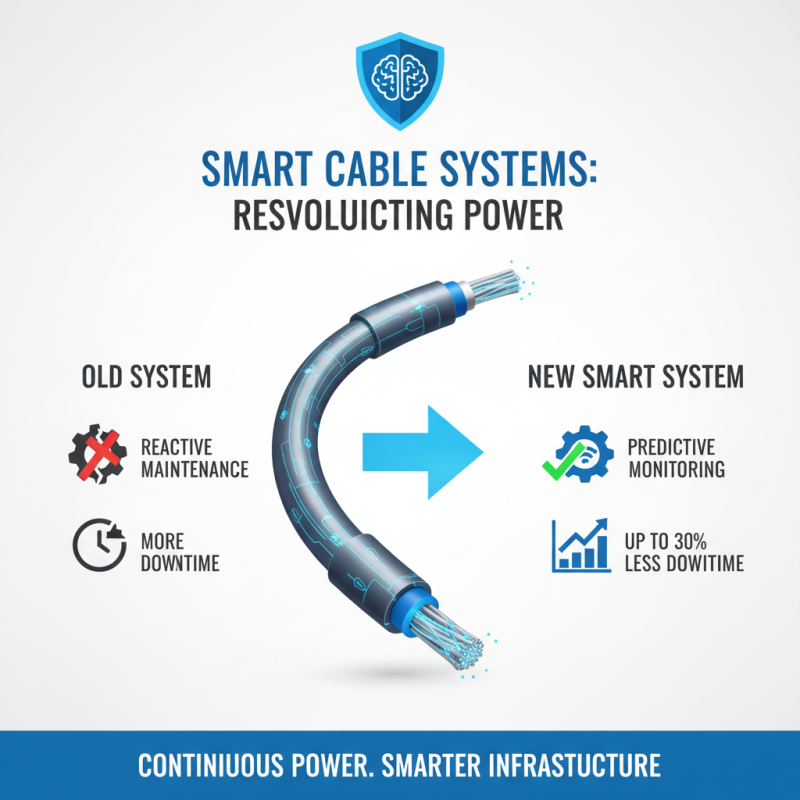
The integration of smart technology into three-phase armoured cable systems is revolutionizing the way we manage electrical infrastructure. According to a recent industry report, smart cables can reduce downtime by up to 30%. This is a game-changer for industries relying on continuous power supply.
Smart technology allows for real-time monitoring of cable performance. Sensors embedded in the cables provide vital data on temperature, load, and potential faults. Companies can thus act proactively, minimizing risks of failure. For instance, during power surges, these smart cables can adjust their operation. Such flexibility is crucial in urban settings where demand fluctuates.
However, the transition to smart systems isn’t without challenges. Not all infrastructures are ready for such advanced technology. Cost considerations also come into play. While the initial investment can be high, the long-term savings in maintenance may justify it. Nonetheless, ongoing training and support for technicians remain essential for successful implementation. The industry still has a long way to go in ensuring these technologies are accessible and practical for all sectors.
Environmental Impact and Sustainability Practices in Cable Manufacturing
The manufacturing of three-phase armoured cables is increasingly scrutinized for its environmental impact. In 2020, over 35% of cable production waste was non-recyclable. This raises concerns about sustainability. Manufacturers are now urged to re-evaluate their processes and materials. Transitioning to eco-friendly alternatives is not just a trend; it’s a necessity.
Reports indicate that by 2025, the demand for green cables could rise by 40%. This presents a challenge. Many producers still rely on traditional methods. They often overlook the benefits of sustainable practices. Specific practices include minimizing waste and utilizing renewable resources. Only 15% of firms fully implement recycling programs. This gap highlights an urgent need for improvement in industry standards.
Sustainability in cable manufacturing is multifaceted. The reduction of toxic substances is vital. In 2022, data showed that 22% of cables contained harmful materials. Addressing this issue is crucial for environmental health. Continuous innovation is essential, yet many companies display resistance to change. As the industry evolves, a balanced approach between production and environmental responsibility is necessary.