3 Phase Armoured Cable Best Practices and Common Issues?
When dealing with 3 Phase Armoured Cable, understanding best practices is crucial. These cables provide robust protection against environmental factors. Yet, improper handling can lead to serious issues.
Installation practices often determine the longevity of 3 Phase Armoured Cable. Many overlook essential factors such as bending radius and cable support. These mistakes may cause damage early on. It’s vital to consider the installation environment. For instance, corrosive areas demand special care.
Common issues include poor terminations and inadequate grounding. These mistakes can disrupt electrical systems. Regular inspections can prevent problems before they escalate. Recognizing these challenges is the first step toward a reliable installation. Understanding both the advantages and limitations of 3 Phase Armoured Cables is essential for optimal performance.
Understanding 3 Phase Armoured Cable: An Overview
3 Phase Armoured Cable is essential for efficient electrical systems. These cables provide durability and protection against physical damage. According to industry reports, over 60% of electrical failures relate to insulation breakdown or external impacts. Understanding the composition and function of these cables can prevent costly disruptions in operations.
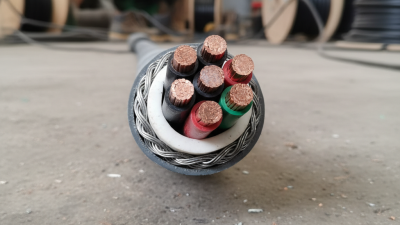
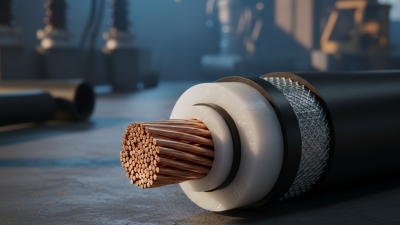
The structure of 3 Phase Armoured Cable includes multiple conductors. This setup allows for effective current transmission across diverse environments. Armouring materials, such as steel wire or aluminum, enhance the cable's resilience. Yet, improper installation can lead to severe issues. For instance, a short circuit can occur if the armouring is not grounded correctly. This is a common oversight that can compromise the safety of an installation.
Regular maintenance is crucial. Reports indicate that 30% of cable failures come from inadequate inspections. Crews often overlook wear and tear, leading to malfunction. This negligence can escalate repair costs and project delays. Awareness is key. Knowing the best practices in handling and maintaining these cables is vital for long-term stability. It is important to adapt and learn from past mistakes to improve electrical reliability.
3 Phase Armoured Cable Best Practices and Common Issues
| Dimension |
Details |
| Cable Type |
3 Phase Armoured Cable |
| Common Applications |
Industrial Equipment, Power Distribution |
| Best Practices |
Proper Installation, Regular Inspections, Stress Testing |
| Common Issues |
Cable Damage, Insulation Failure, Overheating |
| Material Used |
Copper or Aluminum Conductor |
| Environmental Considerations |
Moisture, Chemical Exposure, Mechanical Stress |
Key Best Practices for Installing 3 Phase Armoured Cable
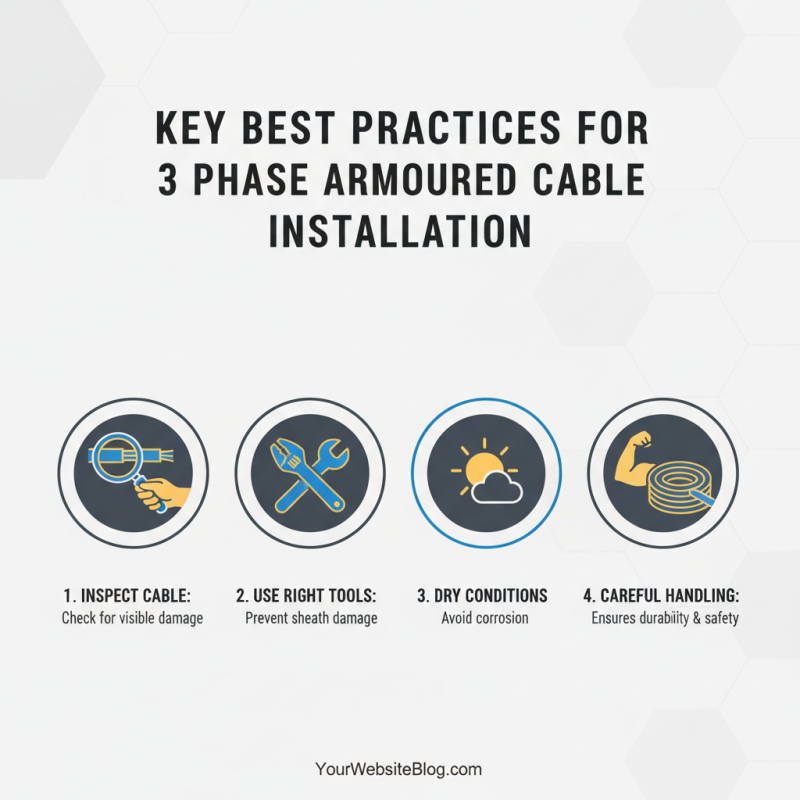
Installing 3 phase armoured cable requires careful attention to detail. Proper handling ensures durability and safety. Always check the cable for any visible damage before use. Installing in dry conditions is important. Wet environments can lead to corrosion issues over time. Use appropriate tools to avoid damaging the cable sheath.
When installing, ensure the cable is not overly bent. Sharp bends can cause internal conductor stress. Maintain the manufacturer's minimum bending radius. Secure the cable with clips or ties that won’t damage its outer layer. Poor securing can lead to wear and tear. This oversight often leads to costly repairs.
Additionally, labeling is essential for future maintenance. Clear labeling helps in identifying circuits quickly. However, many overlook this simple yet effective practice. Regular inspections are crucial. They can catch potential issues before they escalate. Many installers forget this step, leading to unplanned outages. Always remember, a proactive approach can save time and money down the line.
Common Issues Encountered with 3 Phase Armoured Cable
3 Phase Armoured Cable is crucial for various industrial applications. However, several common issues often arise. One major problem is insulation damage. This can occur due to improper handling or installation. It can lead to short circuits and equipment failure. Regular inspections are vital to catch such issues early.
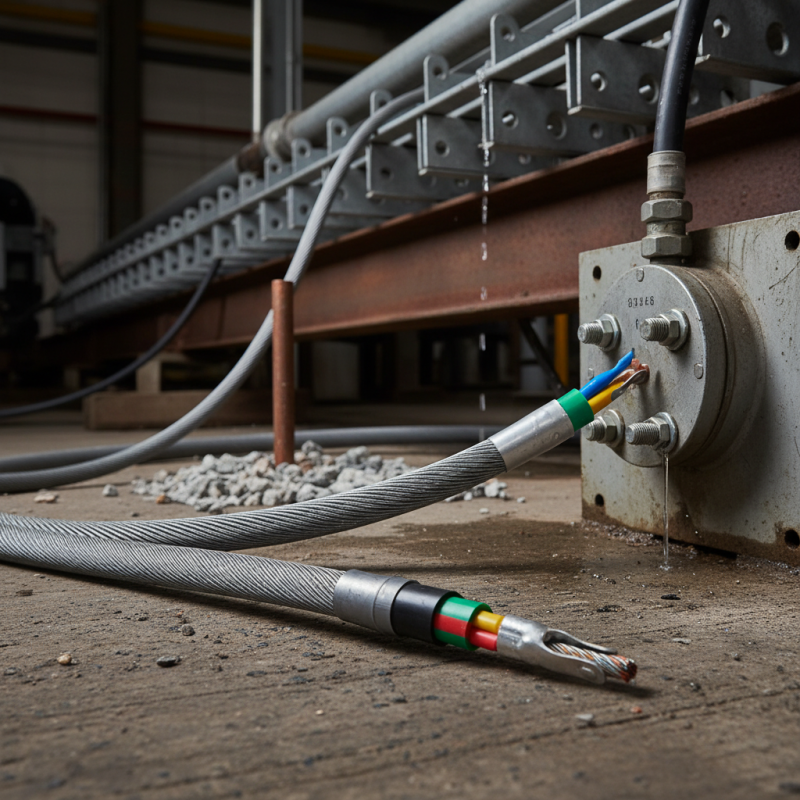
Another problem is moisture ingress. This often happens in outdoor environments where cables are exposed. Moisture can cause corrosion and electrical faults over time. It's essential to use appropriate sealing methods during installation.
Tips: Always check for visible signs of wear before installation. Ensure the location is suitable for the cable type. Be mindful of tool marks during installation; they can weaken the cable structure. Implement routine maintenance schedules to monitor cable conditions. Address small issues before they become significant risks.
Effective Solutions for Troubleshooting Common Cable Problems
When dealing with three-phase armoured cables, problems often arise at unexpected times. Common issues include physical damage, electrical faults, and connection failures. These can lead to serious operational disruptions. Physical wear and tear is frequent in environments with high foot traffic or extreme weather conditions. Regular inspections can help identify cuts or abrasions before they become critical.
To troubleshoot these problems effectively, isolation is essential. Begin by disconnecting power to ensure safety. Checking the cable for visible damage is a good next step. Look for exposed wires or bent connectors. Testing for continuity can reveal internal faults unseen to the naked eye.
Proper installation methods are crucial to preventing common issues. Cables should not be excessively bent or twisted. Tension should be minimal during installation. Even small errors can lead to significant problems down the line. Awareness of potential pitfalls can enhance performance and lifespan significantly.
Safety Considerations and Maintenance for Armoured Cables
When working with 3 phase armoured cables, safety is paramount. Proper installation and maintenance are key to preventing issues. Regular inspections help identify wear and tear. Look for signs of damage on the outer sheath. Ensure there are no sharp bends in the cable.
Handling these cables requires attention. Always wear appropriate protective gear. Be mindful of moisture and chemicals that may affect the cable's integrity. This can lead to unforeseen failures. It's crucial to ensure that connections are tight and secure.
Neglect can result in serious problems. Overloading the cable is a common mistake. It is vital to follow the specified load ratings. If you notice frequent tripping of circuit breakers, it may signal an underlying issue. Timely maintenance can save costs in the long run.
3 Phase Armoured Cable Usage and Maintenance
This chart displays the common issues reported during the maintenance of 3-phase armoured cables, along with the frequency of their occurrence. Regular maintenance and safety considerations can help minimize these issues.