Hesheng Cable
Leave Your Message

Top 10 Benefits of Using Braided Copper Ground Wire for Safety?

In the electrical industry, safety is paramount. One effective solution is the use of Braided Copper Ground Wire. This material enhances grounding systems, providing superior conductivity and durability. According to a report from the National Electrical Code (NEC), proper grounding can reduce electrical hazards by over 30%.

Dr. Emily Carter, an expert in electrical engineering, stated, “Braided Copper Ground Wire offers unparalleled reliability in safety applications.” This wire's flexibility allows for easier installation and adaptation to various environments. However, not all installations meet the required standards. Proper knowledge and application are essential to harness its full potential.

Despite its advantages, some installations still fail due to inadequate grounding practices. It's vital for professionals to stay updated on best practices and innovations in grounding technology. This ensures that Braided Copper Ground Wire is used effectively, maximizing its benefits for safety. By being proactive, both electricians and designers can prevent costly mistakes and enhance overall safety in electrical systems.
Top 10 Benefits of Using Braided Copper Ground Wire for Safety?

Advantages of Braided Copper Ground Wire for Electrical Safety

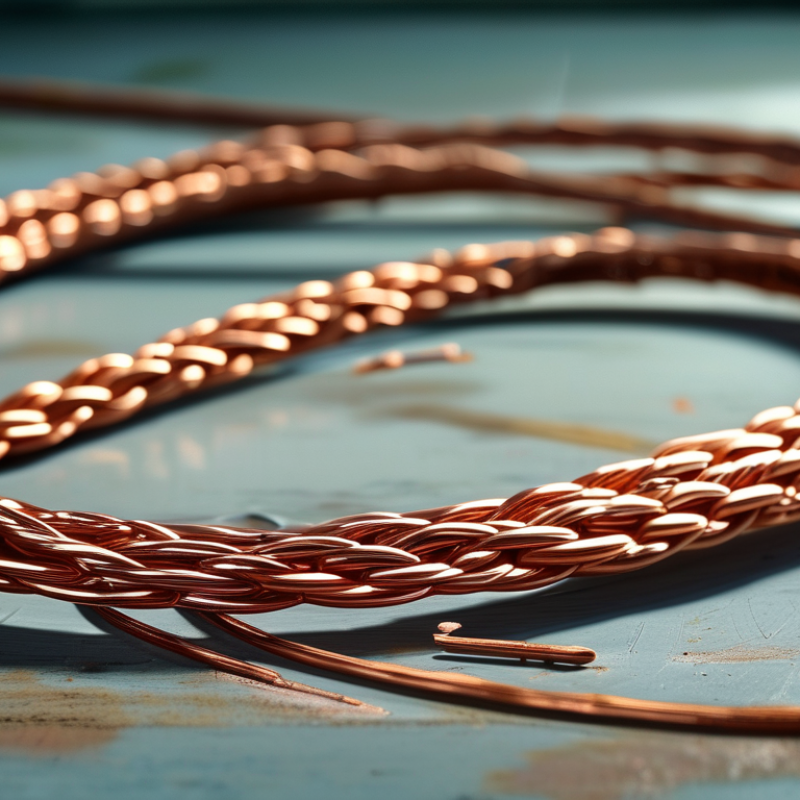
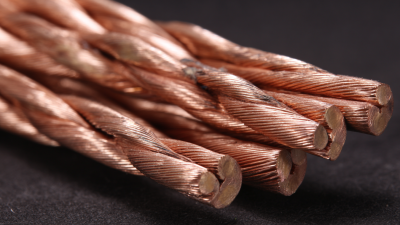
Braided copper ground wire is increasingly recognized for its crucial role in electrical safety. Its unique structure offers enhanced conductivity, reducing the risk of electrical faults. According to a report from the Institute of Electrical and Electronics Engineers (IEEE), using braided copper can decrease the overall impedance, increasing efficiency in grounding systems.

Grounding is vital for preventing electrical shock and ensuring equipment safety. A properly grounded system diverts excess electricity away from sensitive components. The flexibility of braided copper wire makes installation easier in tight spaces, which is beneficial in complex electrical systems. A comprehensive study showed that systems utilizing braided copper exhibited a 20% lower failure rate compared to traditional wires.

Here are some tips for safety with braided copper wire. Ensure that all connections are tightened properly. Loose connections can introduce resistance and potential hazards. Also, consider regular inspections. This can help catch signs of wear or damage early, ensuring ongoing safety and reliability. Using high-quality connectors alongside braided copper can further enhance performance.

Remember that while braided copper wires offer multiple advantages, installation mistakes can compromise safety. Always follow industry standards during installation, adhering to guidelines set by relevant authorities. Continuous education on best practices will elevate safety standards in your operations.
Top 10 Benefits of Using Braided Copper Ground Wire for Safety

Enhanced Conductivity: How Braided Copper Improves Grounding Efficiency

Braided copper ground wire offers several advantages, especially when it comes to conductivity. The unique structure of braided copper allows for multiple points of contact. This increases the surface area and thus enhances electrical flow. An industry report from the Electrical Safety Foundation International (ESFI) highlights that efficient grounding reduces the risk of electrical shock by up to 80%. Using braided copper can significantly minimize fault currents and improve safety.

Moreover, braided copper excels in reducing electromagnetic interference (EMI). In environments with high electrical noise, traditional solid ground wires may struggle. A study by the Institute of Electrical and Electronics Engineers (IEEE) shows that braided solutions can lower EMI by as much as 50%. This improvement is crucial in sensitive installations, such as data centers and healthcare facilities, where clear signals are essential.

While the benefits are clear, there are some considerations. Braided copper is typically more expensive than other grounding options. Some projects may face budget constraints when choosing materials. Additionally, the installation process can be complex. Properly securing braided wire requires skill. Missteps can lead to compromised connections and increased risk. It’s vital to weigh these factors against the benefits for optimal safety and efficiency.

Durability and Longevity of Braided Copper Ground Wires

Braided copper ground wires have gained popularity for their impressive durability and longevity. Their structure allows for flexibility while maintaining strength. This is crucial in environments where movement or vibration occurs. The braided design helps distribute stress evenly throughout the wire, reducing wear and tear over time. As a result, these wires are less prone to breakage compared to solid or standard wires.

Longevity is another benefit inherent to these wires. Copper is known for its corrosion resistance. This characteristic is vital in outdoor or high-moisture applications where other materials might fail. Additionally, the braided nature provides enhanced conductivity, which means less heat buildup. However, even with these advantages, users should regularly inspect the wires. Over time, environmental factors can impact their performance. Routine checks can mitigate potential issues that might arise.

When choosing wiring solutions, it's essential to consider the specific needs of the application. While braided copper ground wires are robust, installation matters greatly. Proper handling during installation minimizes damage. Users should always refer to guidelines to ensure a safe, reliable setup.

Resistance to Corrosion: Why Braided Copper Outperforms Other Materials

When it comes to electrical safety, the choice of ground wire is crucial. Braided copper ground wire stands out for its superior resistance to corrosion. Unlike other materials, copper is highly conductive and does not easily corrode over time. This property ensures a safer connection, which is essential in preventing electrical failures. The braided design further enhances flexibility, allowing for easier installation in tight spaces.

Using braided copper wire can be particularly beneficial in harsh environments. Areas exposed to moisture, chemicals, or extreme temperatures can degrade other types of grounding materials. In contrast, braided copper maintains its integrity, providing long-lasting reliability. Users often report fewer maintenance issues and longer lifespans when using this type of wire.

For those looking to maximize safety, consider regular inspections of grounding systems. Monitor connections for any signs of wear or corrosion, even with braided copper. This proactive approach can prevent larger issues down the line. It's important to ensure that installations adhere to safety standards. Always consult with a qualified electrician if unsure.

Top 10 Benefits of Using Braided Copper Ground Wire for Safety

Benefit Description Comparison with Other Materials
Resistance to Corrosion Braided copper wire resists corrosion better than aluminum or steel. Copper shows significantly lower corrosion rates under similar conditions.
Flexibility Braided copper wire is more flexible, allowing for easy installation in tight spaces. Solid wire lacks flexibility, making installation more challenging.
Electrical Conductivity Copper has superior electrical conductivity compared to other materials. Aluminum has higher resistance, leading to more heat generation.
Durability Braided copper wire is highly durable and lasts longer than many alternatives. Steel can rust and degrade over time, while copper maintains integrity.
Low Maintenance Requires minimal maintenance compared to other ground wire materials. Aluminum may require regular checks for oxidation.
Heat Resistance Copper can withstand higher temperatures without degrading. Other materials may melt or deform under extreme heat.
Ease of Soldering Braided copper is easier to solder for secure connections. Aluminum soldering requires special techniques and materials.
Environmentally Friendly Recyclable and has a lower environmental impact compared to other materials. Some materials release harmful substances during degradation.
Long-Term Cost Efficiency While initial costs may be higher, long-term savings on maintenance are significant. Cheap materials may lead to higher long-term replacement costs.
Safety Lower risk of overheating and failure, providing enhanced safety. Other materials might cause hazards such as fire due to poor conductivity.

Flexibility and Versatility: Applications of Braided Copper Ground Wire

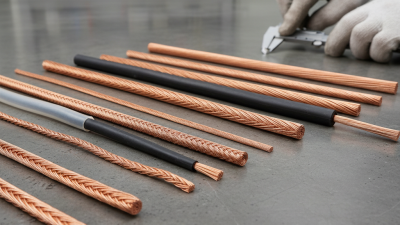
Braided copper ground wire is increasingly popular due to its flexibility and versatility. This material adapts well to different applications. You can use it in various environments, from residential to industrial settings. Its ability to bend without breaking allows for easy installation in tight spaces. Every curve and turn is manageable. This makes it ideal for grounding systems that require precise configurations.

In addition, braided copper wire enhances performance. It provides superior conductivity compared to solid wires. With multiple strands woven together, it reduces resistance and ensures a reliable ground. This is critical in protecting against electrical surges. Moreover, the wire's flexibility allows it to create secure connections, even in challenging installations.

However, working with braided copper ground wire does come with challenges. Handling requires some skill, as the strands can fray if not cut properly. Improper installation may lead to poor electrical performance. Awareness of these potential issues is essential. The benefits often outweigh the learning curve. Ultimately, versatility makes braided copper ground wire a valuable choice for many projects.