Top 10 Benefits of Direct Burial Copper Wire for Your Projects?
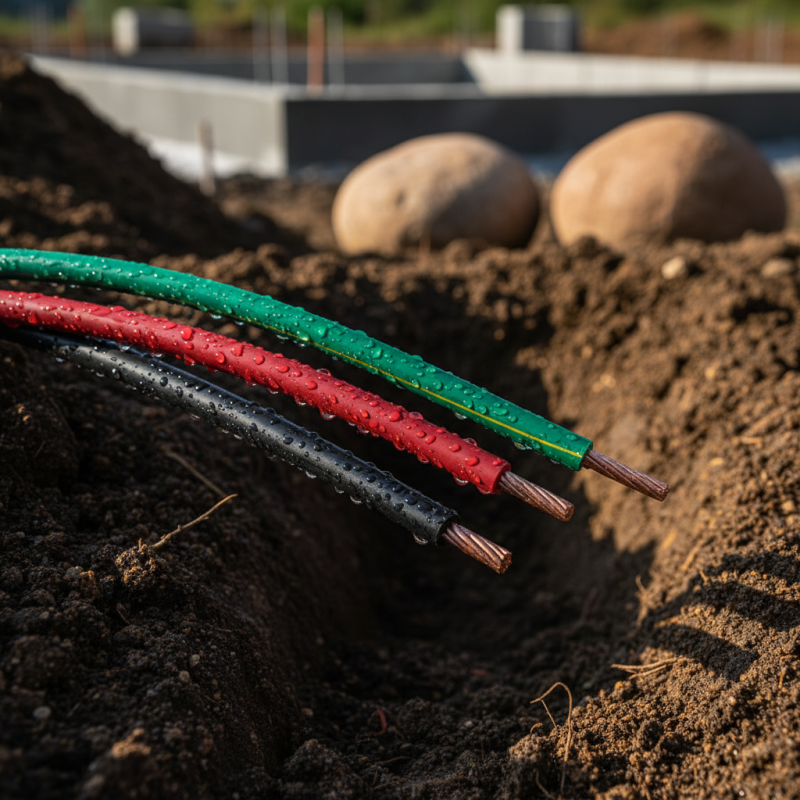
Direct Burial Copper Wire is gaining popularity in various projects. Its unique benefits make it a favored choice for many. This type of wire is designed to be laid directly into the ground, eliminating the need for conduit.
One key advantage is its durability. Direct Burial Copper Wire can withstand harsh environmental conditions. Rain, soil, and temperature changes do not easily harm it. Moreover, this wire type offers excellent conductivity. This improves overall energy efficiency, which is crucial for project success.
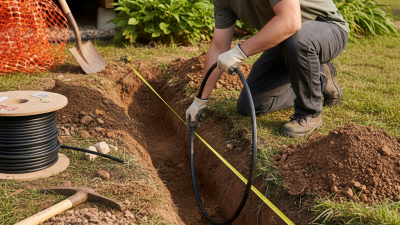
However, while this option has many advantages, it is not without its challenges. Installation requires careful planning and knowledge of local regulations. Proper depth and conditions must be maintained to ensure long-term performance. Awareness of these factors is essential for maximizing the benefits of Direct Burial Copper Wire in any project.
Benefits of Direct Burial Copper Wire for Electrical Projects
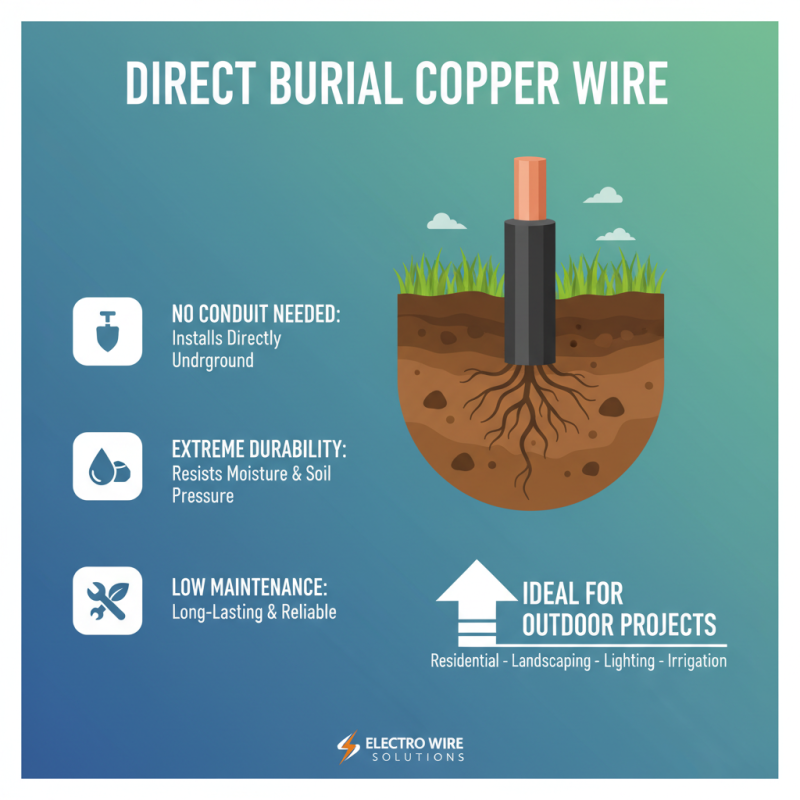
Direct burial copper wire offers numerous advantages for electrical projects. It’s designed to be installed underground without additional conduit. This feature makes it ideal for outdoor wiring, especially in residential areas. The wire’s durability ensures it withstands environmental factors like moisture and soil pressure. This resilience reduces the need for frequent maintenance and replacements.
Using direct burial copper wire also enhances safety. It minimizes the risk of electrical faults caused by exposed wiring. Additionally, its superior conductivity ensures efficient power transmission. However, proper installation is crucial. Poor installation can lead to future problems, such as corrosion.
Another benefit is its versatility. It can be used in various applications, from lighting to power supply. The wire’s flexibility allows for easy handling during installation. Yet, one might overlook local regulations regarding burial depth. Understanding these requirements is essential to avoid complications down the line.
Durability and Longevity: Why Choose Copper Over Other Materials
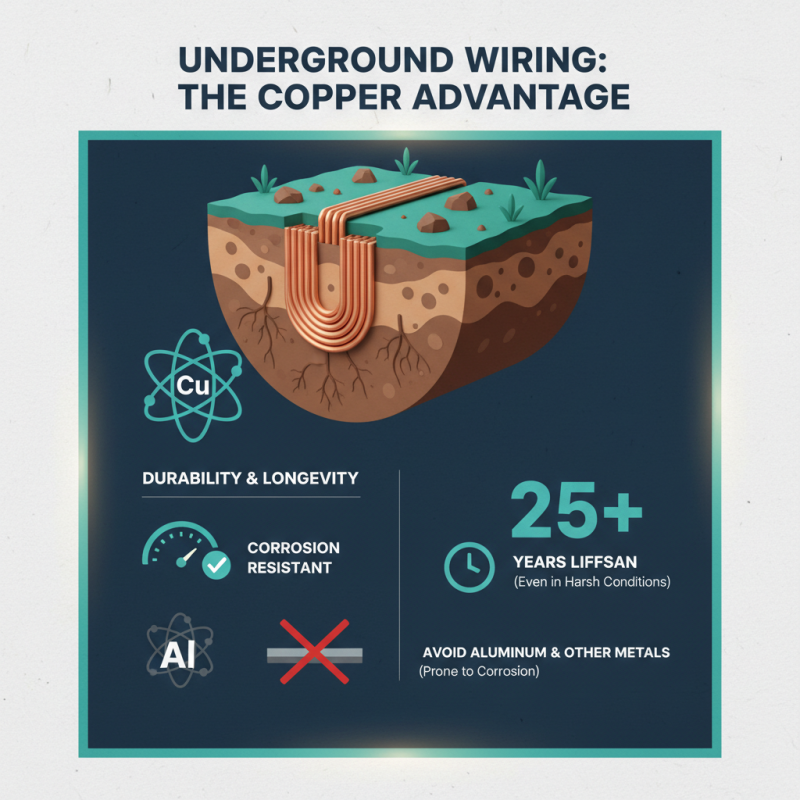
When considering wire for underground projects, durability and longevity are key. Copper wire stands out among materials. Its resistance to corrosion makes it ideal for direct burial. According to industry reports, copper can last over 25 years in harsh conditions. This quality is unmatched by aluminum or other metals. Corrosion can reduce the life span of these alternatives significantly.
Another aspect to consider is conductivity. Copper's conductivity is higher than that of most materials, which translates to better efficiency. A report from the Electrical Safety Foundation International (ESFI) states that a small voltage drop can lead to major inefficiencies. Even in long-distance applications, copper maintains its performance. This means fewer energy losses over time.
Despite its advantages, one must think critically about installation. Improper burial depth or damage during installation can negate copper's strengths. The right precautions are vital to ensure long-term benefits. Soil composition can also impact performance. Conducting thorough site analysis may reveal potential issues. These factors can lead to reflections on whether copper is the best choice for every project.
Enhanced Electrical Conductivity for Efficient Power Transfer
Direct burial copper wire is increasingly recognized for its exceptional electrical conductivity. This feature is critical in diverse applications, from residential wiring to large-scale industrial operations. Reports indicate that copper offers better conductivity than aluminum, with a conductivity rating of 97%, compared to aluminum’s 61%. This means that less energy is lost as heat, making projects more efficient.
Conductivity directly impacts power transfer efficiency. For instance, a study from the Institute of Electrical and Electronics Engineers (IEEE) found that using copper wire can reduce energy loss by up to 15%. In large setups, this can translate into significant cost savings. However, improper installation can undermine these advantages. It’s essential to ensure the wire is buried deeply enough and protected from moisture, as copper corrosion can occur.
While direct burial copper wire presents clear benefits, challenges still exist. Installation costs can be higher compared to other wiring options. Additionally, regulatory issues can arise depending on the installation environment. Awareness of local codes is imperative. Awareness of these details can improve overall project success and sustainability.
Resistance to Corrosion: The Advantages of Direct Burial
Direct burial copper wire offers remarkable resistance to corrosion, making it an excellent choice for underground projects. According to industry studies, copper wire can resist oxidation for up to 40 years when buried correctly. This durability helps maintain conductivity, which is critical for electrical systems. Compared to aluminum, copper shows a significantly lower rate of corrosion.
To ensure optimal performance, consider factors like soil type and moisture levels. Clay soils tend to hold moisture, accelerating corrosion. It’s essential to choose proper insulation to enhance wire longevity. Moist environments can lead to degradation, impacting efficiency.
Tips: Regular inspections can catch early signs of corrosion. Using protective coatings may also extend the wire's life. Be informed about local soil conditions and adapt your methods accordingly, as improper burial can lead to unexpected failures. It is crucial to reflect on your installation process continually.
Cost-Effectiveness in the Long Run for Project Budgets
When considering project budgets, direct burial copper wire presents significant cost-effectiveness. This wire type eliminates the need for costly conduit installations. It simplifies installation on-site, allowing for quicker project completion. Time is often money in projects, and specific wiring solutions can enhance efficiency.
Direct burial copper wire offers durability against environmental factors. It withstands moisture and temperature changes far better than other wiring options. However, initial costs can seem high. Yet, those costs are offset by reduced labor and maintenance over time. This leads to savings that become evident during the project's lifecycle.
One must think about project specifications. Sometimes, direct burial copper wire may not suit every environment. Assessing soil conditions and potential stressors becomes imperative. While the benefits are clear, careful analysis will help ensure the right choice is made for specific needs. Balancing these aspects is essential for long-term success and budget management.
Top 10 Benefits of Direct Burial Copper Wire for Your Projects
| Benefit |
Description |
Long-term Cost Savings |
| Durability |
Resistant to environmental factors such as moisture and soil chemicals. |
Reduces the need for replacements, saving money over time. |
| Ease of Installation |
Can be directly buried without additional conduit. |
Lowers labor costs due to faster installation processes. |
| Conductivity |
Excellent electrical conductivity for efficient energy transfer. |
Provides better performance, potentially reducing energy bills. |
| Versatility |
Suitable for various applications including residential and commercial. |
Flexibility in usage can lead to fewer materials needed. |
| Safety |
Lower risk of electrical failures compared to other materials. |
Can prevent costly repairs due to electrical fires or damage. |
| Longevity |
Lasts for decades under proper conditions. |
Reduces long-term replacement costs, providing more value. |
| Lower Maintenance |
Requires minimal maintenance after installation. |
Decreases ongoing maintenance costs and efforts. |
| Environmental Impact |
Can be recycled at the end of its life cycle. |
Potential savings from recycling programs and disposal costs. |
| Aesthetic Appeal |
Less visible installation compared to above-ground wiring. |
Maintains property value by preserving landscape and appearance. |
| Reliability |
Proven track record in various weather and soil conditions. |
Reduces operational interruptions and associated costs. |