10 Best Crane Cable Types for Efficient Lifting Operations?
In the bustling world of lifting operations, selecting the right crane cable is crucial. Each type offers unique benefits, impacting efficiency and safety. Renowned industry expert, John Parker, once stated, “The right crane cable not only improves performance but also ensures a safer work environment.” This insight highlights the importance of informed choices.
Understanding crane cables involves recognizing their different materials and constructions. Steel wire ropes remain popular for their strength. Synthetic cables are increasingly chosen for their lightweight and flexibility. Each type has its pros and cons. Notably, many operators overlook the wear and fatigue factors, which can lead to costly accidents.
The initial cost of crane cables can be deceiving. Cheaper options may lead to higher long-term expenses due to failure and replacement. It is vital for operators to reflect on their requirements and potential issues. Investing in quality crane cables could mitigate risks down the line. Each choice shapes the efficiency of lifting operations, impacting overall productivity significantly.
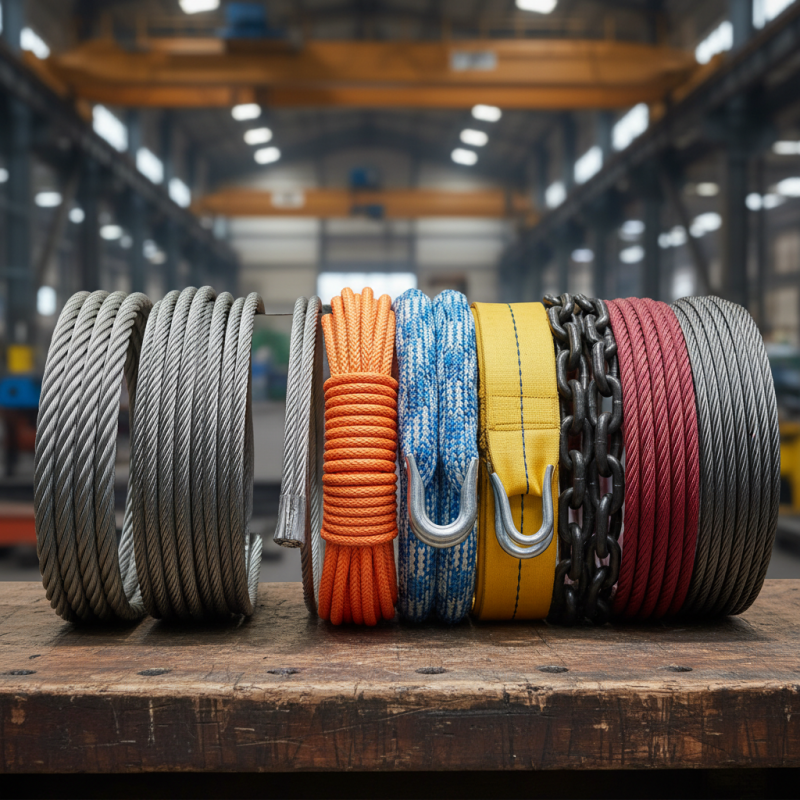
Types of Crane Cables: Overview of Common Materials and Their Uses
When selecting crane cables, understanding the materials and their applications is vital.
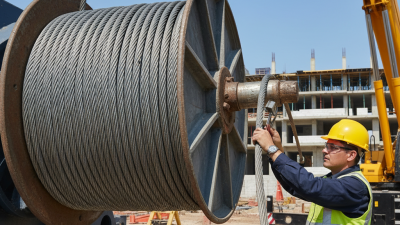
Steel cables are common for heavy lifting. Their durability makes them popular.
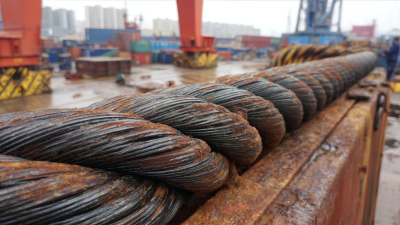
They can handle high loads effectively. However, they can be prone to rust and wear if not properly maintained.
Regular inspections are necessary to ensure safety.
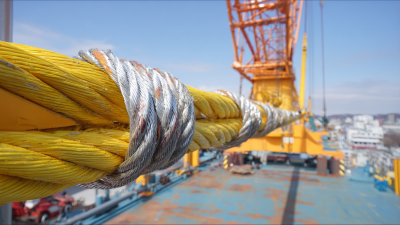
Synthetic cables, like nylon or polyester, are lighter. They offer flexibility and resistance to abrasion.
These cables are easier to handle and store. However, they may not perform well under extreme temperatures.
Consider your working environment when selecting these materials.
Tips: Always keep cables clean. Remove dirt and debris after use.
This can prolong their lifespan significantly. Also, inspect cables regularly for signs of wear and fraying.
Replace any damaged cables immediately to avoid accidents. Remember, safety should always come first in lifting operations.
Factors Affecting Cable Selection: Load Capacity, Flexibility, and Durability
Cable selection for cranes is critical. Load capacity is a primary consideration. For instance, a standard steel wire rope can handle up to 100 tons. It's vital to match the cable with the specific load requirements of the crane. Selecting a cable that exceeds the load limit can prevent potential hazards.
Flexibility is another essential factor. Cables must navigate through pulleys and bends. A less flexible cable might kink or break. Reports indicate that synthetic cables provide better flexibility in tight spaces. They can reduce friction, extending the cable's lifespan in demanding conditions.
Durability is just as important. Cables often face harsh environments. Factors like weather, chemicals, and abrasions can impact performance. A study noted that cables exposed to extreme conditions may lose 30% of their strength over time. Regular inspections are necessary, yet many overlook this process. An awareness of these factors can lead to improved operational safety and efficiency.
10 Best Crane Cable Types for Efficient Lifting Operations
This chart displays various types of crane cables and their associated load capacity, flexibility, and durability ratings to help users select the most suitable cable type for lifting operations.
Comparative Strengths: Steel vs. Synthetic Crane Cables in Different Applications
When comparing steel and synthetic crane cables, it’s crucial to examine their strengths in various applications. Steel cables are known for their exceptional tensile strength, with an average breaking strength of around 40% higher than that of synthetic options. They excel in heavy-duty applications, such as construction and mining. Steel cables can withstand extreme conditions, including high temperatures and abrasions. However, they are heavy and can be less flexible. This weight can lead to challenges in handling and installation.
On the other hand, synthetic cables, such as those made from high-performance fibers, have gained popularity due to their lightweight nature. They can be up to 80% lighter than steel cables. This significant weight reduction allows for easier handling and improved efficiency during operations. According to industry reports, synthetic cables also have a lower chance of damage from environmental factors like corrosion and UV exposure. However, their average breaking strength is often lower, indicating potential risks in extreme load conditions. The balance between weight, strength, and application must be carefully evaluated. Both cable types offer unique advantages and limitations that require thoughtful consideration in operational planning.
Industry Standards: Relevant Regulations and Certifications for Crane Cables
Crane cables play a vital role in lifting operations. Ensuring that these cables meet industry standards is crucial. Various regulations govern their design, testing, and usage. Familiarity with these standards can significantly enhance safety and efficiency.
Different types of crane cables are subject to specific certifications. They must endure rigorous testing for strength and durability. Compliance with these standards ensures that cables can handle loads safely. This is essential for preventing accidents during lifting operations. Inspections should be regular. Ignoring this step can lead to unexpected failures.
Moreover, not all cables are the same. Some may not meet the latest specifications. This neglect can result in serious consequences. Operators need to be aware of certifications and standards. It’s important to prioritize the right cable for the task. Choosing products without review might seem easier. However, it could risk safety and reliability in the long run. Always question the quality of crane cables used.