2026 Best Four Core Wire Types for Your Electrical Projects?
Choosing the right wire for electrical projects is crucial. The "Four Core Wire" type stands out for various applications. According to industry reports, these wires significantly improve efficiency and safety in installations.
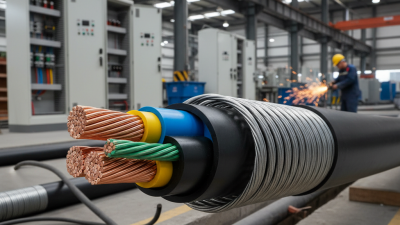
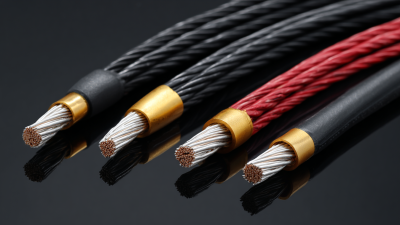
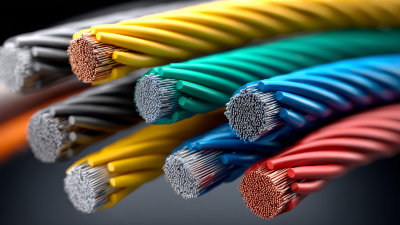
Four core wires consist of four conductors. They allow the transmission of multiple signals. This feature makes them ideal for complex systems like HVAC and lighting. The versatility of these wires cannot be overlooked. However, choosing the wrong type can lead to inefficiencies. Some users report issues with durability. Reflecting on these challenges is essential for better decisions.
The demand for four core wires is climbing. A recent market analysis predicts a growth rate of 5.2% by 2026. This trend shows their popularity among electricians and engineers. The right choice can enhance project outcomes. Regular evaluations of wire performance are necessary. Minor mistakes can lead to significant setbacks in your work. So, careful consideration is vital.

Understanding the Importance of Core Wire Types in Electrical Projects
Understanding core wire types is essential for any electrical project. The right wire can enhance safety and performance. Not all wires are created equal. Each type has unique attributes and applications. For example, some wires are better for temperature resistance. Others excel in flexibility. It’s crucial to choose wisely based on your specific needs.
Using the wrong wire may lead to overheating or short circuits. Take the time to research and understand your project's requirements. Consider factors such as current load and environmental conditions. While cheaper options may be tempting, they often compromise quality. This could lead to costly mistakes in the long run. Sometimes, people overlook these details, thinking they can substitute wire types freely. This mindset can result in real problems.
In the end, quality should not be sacrificed for convenience. Selecting the appropriate core wire type ensures reliability and longevity in your electrical work. Assess your choices and always prioritize safety. Your project deserves it.
Overview of the Most Common Core Wire Types Used in 2026
When planning electrical projects in 2026, choosing the right core wire is crucial. The most common core wire types include copper, aluminum, fiber, and specialty wires. Each type serves different purposes and has unique advantages.
Copper wires are highly conductive and flexible, making them ideal for complex installations. Aluminum wires are lightweight and more cost-effective, but they require careful handling due to oxidation. Fiber wires are excellent for communication projects, offering high-speed data transmission. Specialty wires, like high-temperature or low-voltage, cater to specific needs.
Tip: Always consider the environment. Extreme temperatures can affect wire performance.
It's essential to evaluate the project requirements thoroughly. Are you working indoors or outdoors? Will corrosion be an issue? Is flexibility needed for tight spaces?
Tip: Double-check your wire gauge. Choosing the wrong gauge can lead to inefficiencies and safety hazards.
While selecting core wires, common mistakes can arise. Sometimes, cost is prioritized over quality. This can lead to complications down the line. Reflect on your choices. Remember, the right wire minimizes future headaches.
Comparative Analysis of Conductivity and Durability in Wire Types
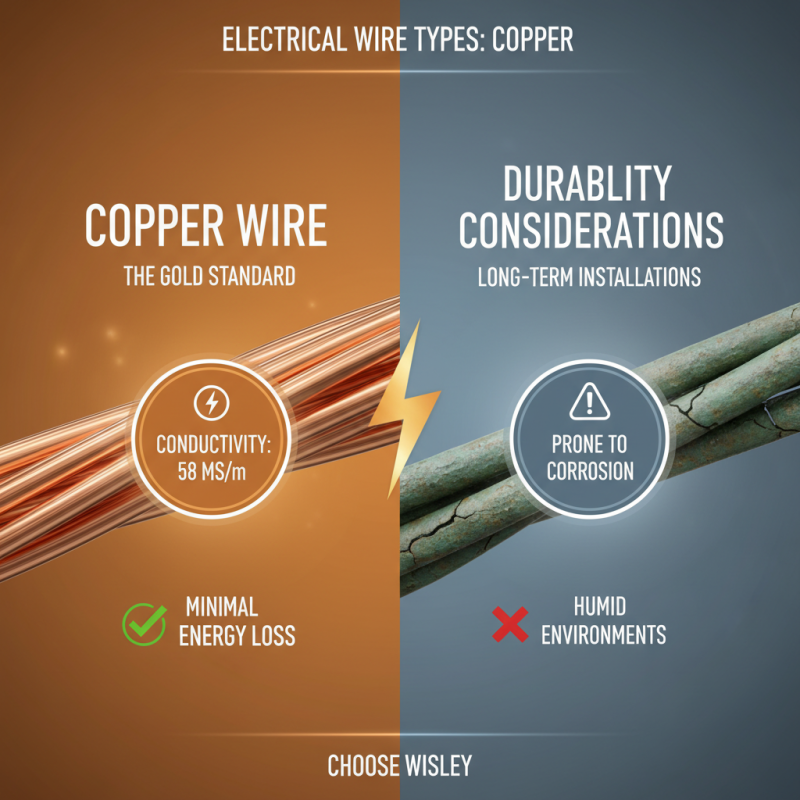
When choosing wire types for electrical projects, conductivity and durability are key factors. Copper remains the gold standard for conductivity. It boasts a conductivity rating of approximately 58 MS/m. This high level ensures minimal energy loss. However, copper can be prone to corrosion, especially in humid environments. It may not always be the best option for long-term installations.
Aluminum is a lighter alternative to copper. It has a conductivity rating of about 37 MS/m, which is less effective. Nevertheless, aluminum wires are resistant to corrosion, making them suitable for outdoor applications. An interesting detail is that aluminum wires may require larger diameters to match copper's performance. This can lead to increased labor costs and installation complexities.
Another contender is stainless steel. It offers lower conductivity, around 1.45 MS/m, yet excels in durability. Stainless steel wires resist rust and other forms of wear. This makes them ideal for harsh conditions. However, the lesser conductivity raises concerns about efficiency. Projects demanding high performance may find stainless steel lacking. Thus, the trade-off between durability and conductivity can complicate wire selection.
Selecting the Right Wire for Specific Electrical Applications
Choosing the right wire for electrical projects is crucial. Four core wire types stand out for various applications. Each type serves a unique purpose and has distinct characteristics. Copper wire is highly conductive. It’s often used in residential wiring. Aluminum wire is lightweight and cost-effective. It’s suitable for overhead power lines. These options are common, but you must assess your needs carefully.
Additionally, stranded wire offers flexibility. It’s ideal for tight spaces and movable connections. However, it can be tricky to work with. Solid wire, on the other hand, is easier to install but less flexible. Pay attention to the wire gauge. It affects the current capacity. Choosing the wrong gauge can lead to overheating. Think about the environment too; temperature and insulation ratings are essential.
Inadequate wire selection can create issues. A project may fail if the wire isn't suitable. It’s critical to evaluate your project’s specific needs. Keep in mind local electrical codes, too. They guide wiring choices and ensure safety. Make informed decisions to avoid future problems. Revisit your choices regularly and stay updated on best practices in wiring.
2026 Best Four Core Wire Types for Your Electrical Projects
| Wire Type |
Core Material |
Current Rating (A) |
Voltage Rating (V) |
Typical Applications |
| THHN Wire |
Copper |
15-30 |
600 |
Residential wiring, appliances |
| Romex (NM) Cable |
Copper |
15-20 |
300 |
Indoor residential wiring |
| UF Cable |
Copper |
20-30 |
600 |
Outdoor lighting, underground services |
| MC Cable |
Copper |
15-30 |
600 |
Commercial wiring, industrial applications |
Future Trends in Electrical Wire Technology and Their Impact on Projects
As the world evolves, so does electrical wire technology. The growing focus on sustainability shapes future innovations. Eco-friendly materials are being explored seriously. These materials promise to reduce environmental impact without sacrificing performance. This shift is not just a trend; it’s becoming a necessity.
There’s also an emphasis on enhanced safety features. Modern wires now come with built-in protective mechanisms. They respond to overheating or short circuits. This is particularly important in residential and commercial projects. However, some traditional practices may clash with these advancements. Contractors must adapt quickly or risk losing effectiveness.
Furthermore, advancements in smart technology will influence wire design. Future wires could integrate sensors, allowing real-time monitoring. This could prevent potential failures before they occur. However, integrating these technologies into existing frameworks presents challenges. Upgrading requires both knowledge and resources. It’s a dual journey of learning and implementation.
2026 Best Four Core Wire Types for Electrical Projects
This chart represents the performance of different wire types based on conductivity, insulation rating, durability, and cost-effectiveness for electrical projects in 2026.