2026 Best Household Wire Types for Your Home Projects?
In 2026, choosing the right Household Wire for home projects is crucial. Experts highlight the importance of quality wiring. John Smith, a renowned electrical engineer, stated, "Using the right Household Wire can prevent potential hazards." This advice resonates strongly as homeowners focus on safety in their projects.
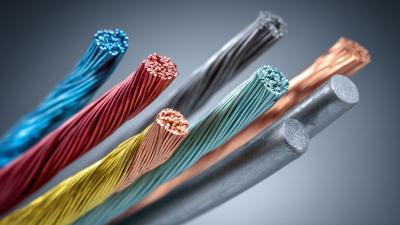
The market is flooded with various wire types. Some lack necessary certifications, such as ISO or CE. This makes research critical. Homeowners should prioritize wires that ensure longevity and safety. Options like copper and aluminum are popular, yet each has distinct benefits and drawbacks.
Navigating through the choices can be overwhelming. Many may ignore the significance of proper wire selection until it’s too late. Investing time to understand the types and standards of Household Wire is essential. After all, proper wiring can enhance both safety and efficiency in any home project. Think deeply about these choices to avoid future regrets.
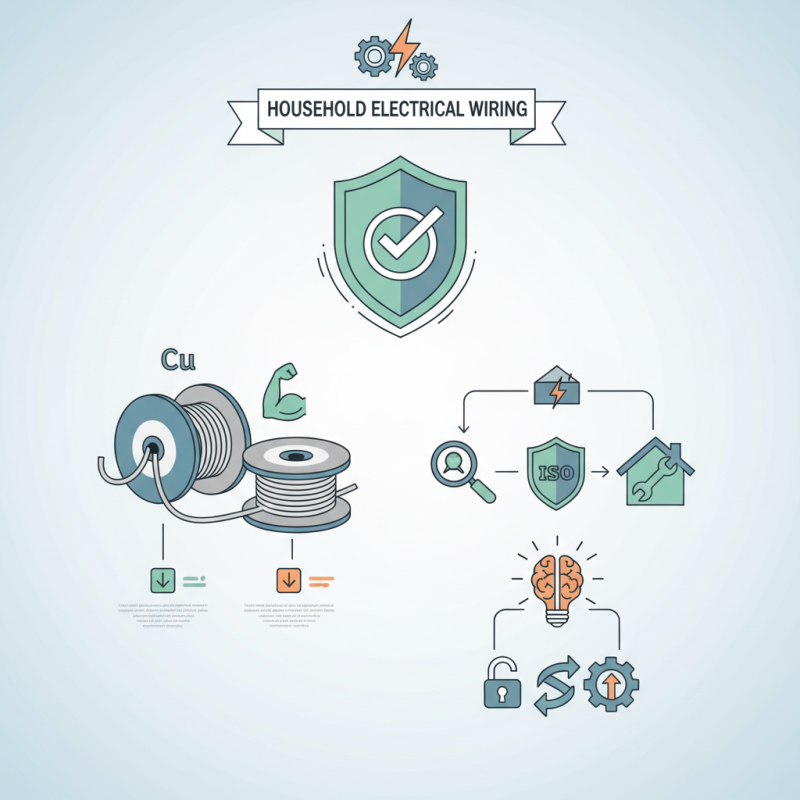
Types of Household Wires: An Overview of Options Available in 2026
When it comes to household wiring, understanding your options is essential. In 2026, the most common wire types include NM-B, UF, and THHN. NM-B, or Non-Metallic Sheathed Cable, is popular for indoor applications. It’s flexible and easy to work with. This wire is mainly used in residential buildings. According to a recent industry report, more than 75% of homes rely on NM-B for electrical installations.
UF, or Underground Feeder wire, serves outdoor needs. It is resistant to moisture and can be direct buried. This wire safeguards your outdoor setups effectively. In fact, the use of UF has increased by 20% in the past few years, highlighting its demand. THHN, or Thermoplastic High Heat-resistant Nylon-coated wire, is primarily used for conduit applications. Its durability makes it an excellent choice for commercial wiring. However, installation requires skill. Many DIY enthusiasts underestimate the complexities of working with THHN.
Each wire type has its challenges. Improper installation of NM-B can lead to overheating. Likewise, UF's durability depends on correct burial depth. These intricacies often catch homeowners off guard. The industry continues to evolve, but finding the right wire for your project remains crucial.
2026 Best Household Wire Types for Your Home Projects
| Wire Type |
Material |
Gauge |
Best Use Cases |
Price Range |
| NM Cable |
Copper |
12-14 AWG |
Residential wiring for outlets and lighting |
$0.15 - $0.50 per foot |
| THHN/THWN Wire |
Copper/Aluminum |
12-10 AWG |
General purpose for above-ground applications |
$0.20 - $0.60 per foot |
| Romex Cable |
Copper |
14-12 AWG |
Indoor circuits and outlets |
$0.30 - $0.70 per foot |
| Speaker Wire |
Copper |
16-12 AWG |
Audio and home theater systems |
$0.10 - $0.30 per foot |
| Low-Voltage Wire |
Copper |
18-16 AWG |
Landscape lighting and security systems |
$0.12 - $0.25 per foot |
Key Specifications for Choosing Household Wires for Home Projects
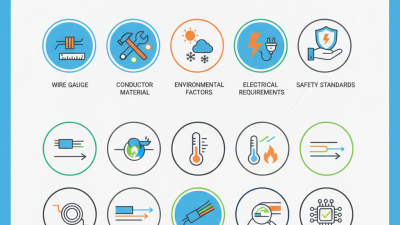
When choosing household wires for your projects, several specifications matter. Wire gauge is critical for safety and efficiency. A lower gauge number indicates thicker wire. Thicker wires can handle more current. For most home projects, 12-gauge or 14-gauge wire is enough. Check your circuit requirements before making a choice.
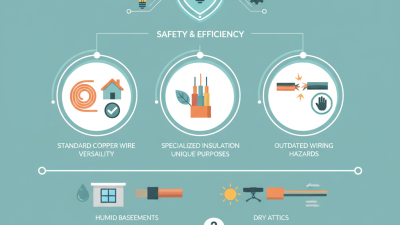
Wire insulation type is equally important. Different environments need different materials. For instance, NM (non-metallic) is great for indoor use. However, UF (underground feeder) works best for outdoor applications. Pay attention to temperature ratings as well. Wires must withstand the environment without degrading.
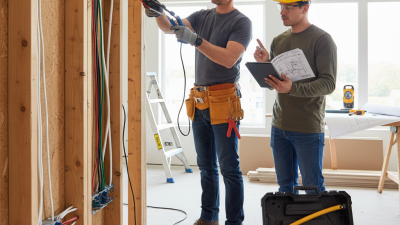
Don’t overlook installation requirements. Use the proper connectors and ensure secure fittings. Take time to assess your skills before starting. Sometimes, it’s better to seek help. Mistakes can lead to safety hazards. Everyone makes mistakes, but learning from them is vital for improvement. Picking the right wire may seem simple, but it requires thoughtfulness and precision.
2026 Best Household Wire Types for Your Home Projects
This chart illustrates the general usage of different types of household wires based on their applications. The data represents the percentage of projects that typically use each wire type in residential settings.
Industry Standards: National Electrical Code (NEC) and Wire Gauge Requirements
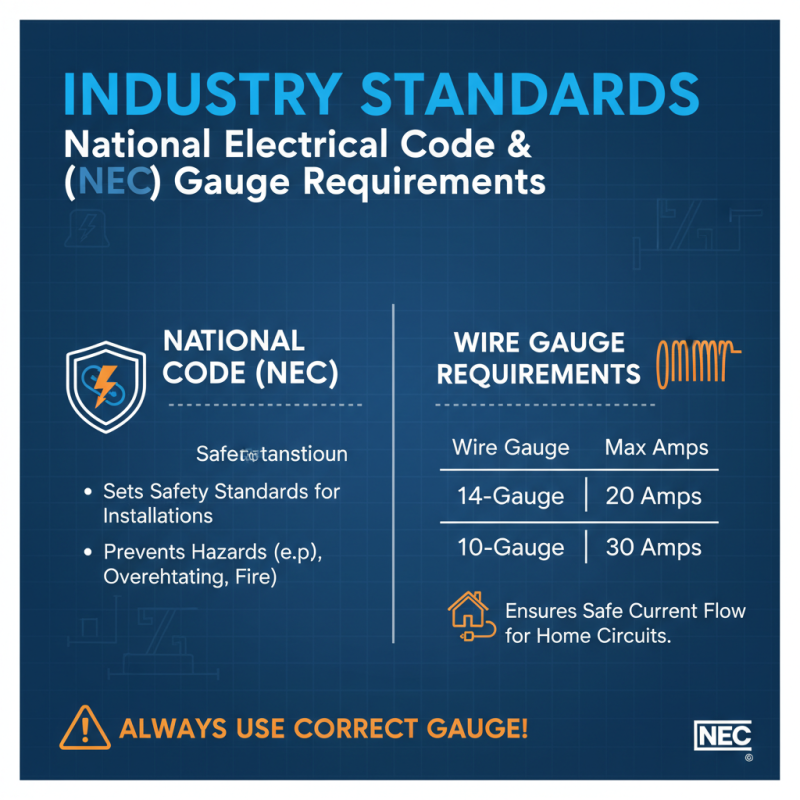
When tackling household wiring projects, it's crucial to adhere to the National Electrical Code (NEC). This code sets the standards for safe electrical installations. Understanding wire gauge requirements is essential. The wire gauge affects the amount of current that can flow safely. For example, a 12-gauge wire typically handles up to 20 amps, suitable for many home circuits. Using the right gauge can prevent overheating and potential fire hazards.
Many DIY enthusiasts underestimate wire selection. Choosing the wrong gauge might seem harmless, but it can lead to significant issues. You might find yourself redoing the work, which is frustrating. Additionally, local codes may differ from the NEC. Ignoring local amendments can lead to penalties or unsafe conditions. Assess your project needs carefully.
Proper insulation type also matters. Not all wires are suitable for every environment. Some need extra protection against moisture or heat. Mistakes here can be costly. It's wise to consult a professional when in doubt. A little research upfront can save you headaches later.
Fire Safety Ratings and Their Importance for Household Wiring
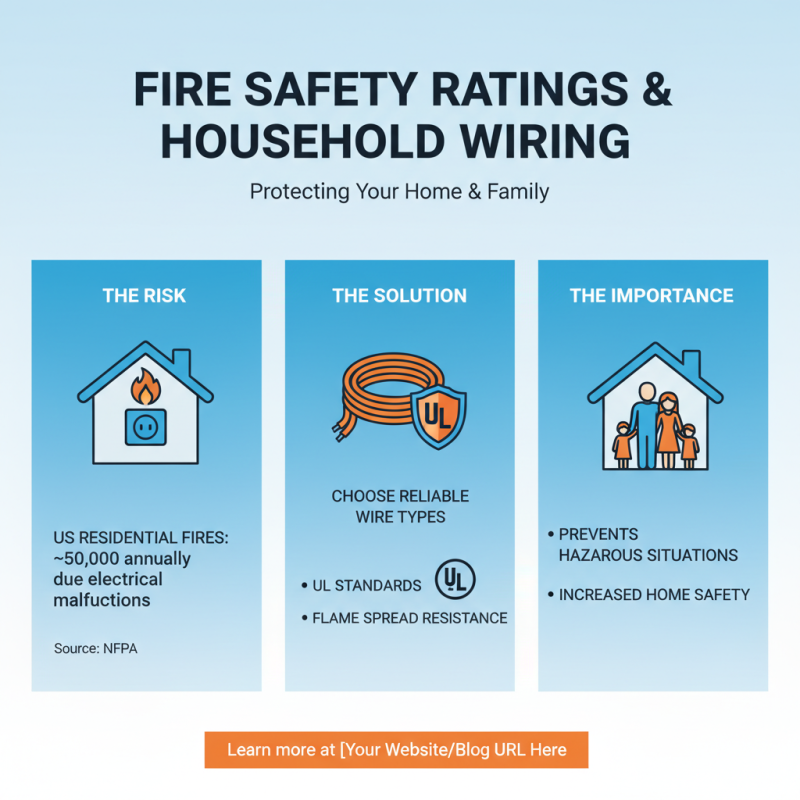
When it comes to household wiring, fire safety ratings play a crucial role. In the U.S., nearly 50,000 residential fires occur annually due to electrical malfunctions, according to the National Fire Protection Association (NFPA). These incidents highlight the need for choosing appropriate wire types with reliable fire safety ratings. Wires that meet UL (Underwriters Laboratories) standards ensure better resistance to flame spread and prevent hazardous situations.
Different wire types offer various levels of safety. For example, NM-B (non-metallic sheathed cable) has different ratings. It is suitable for dry locations but should not be exposed to moisture. This becomes an issue in areas like basements or bathrooms. In such cases, you may consider using UF (underground feeder) cables, rated for wet conditions. Understanding the environment where the wiring will be installed is vital.
Moreover, many homeowners overlook the importance of proper wire gauges. According to the National Electrical Code, using the right gauge can help prevent overheating. A too-thin wire can easily overheat and become a fire hazard. It's a common mistake to follow past practices without assessing current needs. Regularly reviewing and updating your wiring methods is essential for safety and compliance.
Eco-Friendly Wiring Solutions: Trends in Sustainable Home Projects
In recent years, sustainable practices have gained momentum. Homeowners now seek eco-friendly wiring solutions in their projects. Choosing the right wire types can significantly reduce your carbon footprint. Recycled materials are being used more frequently for wiring. These options help to minimize waste, aligning with environmental goals.
Many people overlook the environmental impact of wiring. Traditional copper wiring, while effective, has a high resource cost. Alternatives exist, such as aluminum or bio-based insulating materials. These options may not only be lighter but can also have a lower environmental impact. It's important to consider where materials come from. Sourcing locally can help reduce transportation emissions.
While there’s a push for green solutions, challenges remain. Some eco-friendly wires may not meet every project’s specific needs. Installation may require additional training or adjustments. Homeowners must weigh the benefits against potential complications. Reflecting on these aspects, it’s clear that sustainability in wiring requires thoughtful consideration. Embracing these changes, even imperfectly, can lead to a healthier planet.