Why Choose Braided Copper Ground Wire for Your Electrical Needs?
In today’s electrical landscape, the choice of grounding materials is crucial for safety and performance. "Braided Copper Ground Wire" is increasingly favored due to its numerous advantages. According to the National Electrical Manufacturers Association (NEMA), grounding systems utilizing copper show a significantly lower failure rate, enhancing system reliability. Experts in the field underscore the importance of selecting the right materials to prevent electrical hazards. Dr. Sophia Reynolds, a leading electrical engineer, states, “The resilience of braided copper significantly minimizes the risk of ground faults."
Braided Copper Ground Wire offers flexibility and durability, making it easier to install in various applications. Its superior conductivity allows for efficient grounding, reducing resistance. The insulation used with this wire can withstand extreme conditions, enhancing its longevity. However, it is essential to note that performance can vary with installation quality. Poor connections can undermine the benefits of even the best materials.
Moreover, while the upfront cost of braided copper might be higher than alternatives, the long-term reliability often justifies the investment. As the demand for electrical safety rises, understanding the role of high-quality grounding solutions remains essential. Future considerations should focus on evolving standards and the integration of innovative materials to elevate industry safety.
Benefits of Using Braided Copper Ground Wire in Electrical Systems
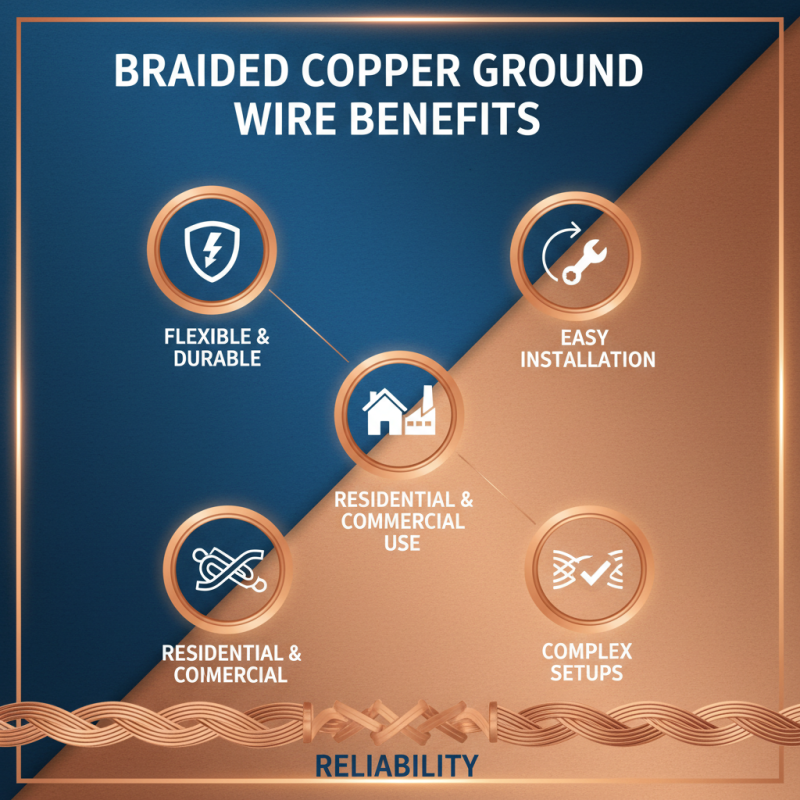
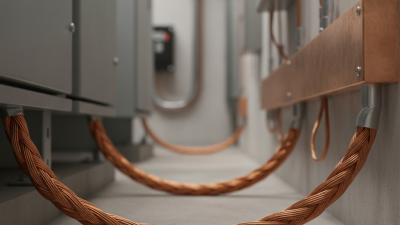
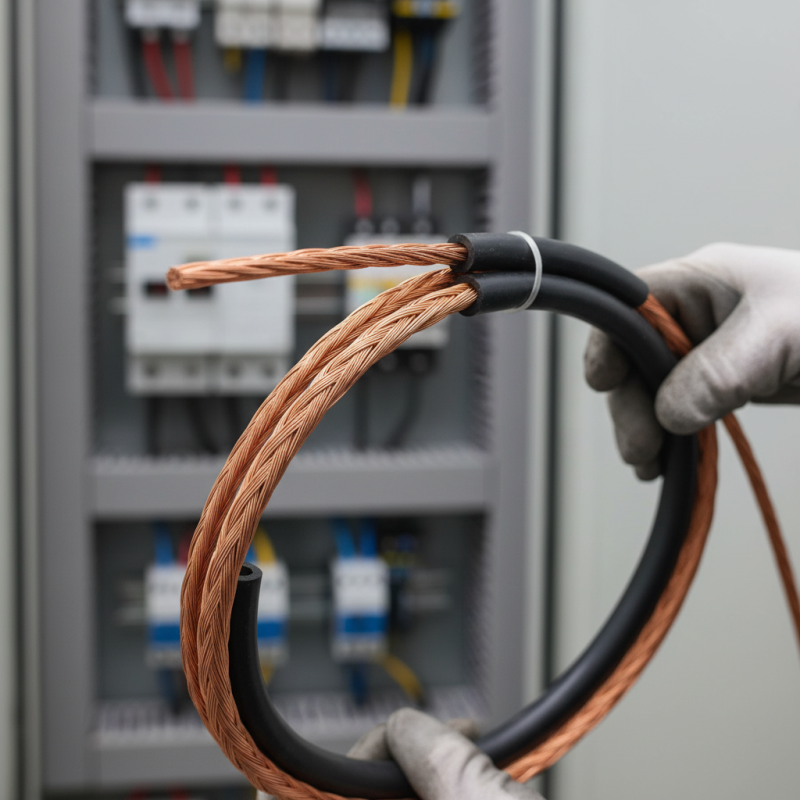
Braided copper ground wire stands out in electrical systems for several important reasons. Its construction allows for flexibility and durability, crucial for installation in various locations. Unlike solid wire, braided wire can easily bend around corners and fit into tight spaces, making it ideal for complex electrical setups. This flexibility enhances its usability in residential and commercial applications.
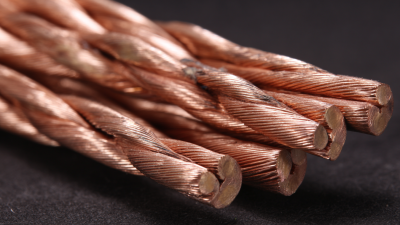
One major benefit of braided copper ground wire is its excellent conductivity. Each strand in the braid works together to reduce resistance and improve performance. This characteristic ensures a reliable connection, vital for safety in electrical systems. Additionally, braided wire has superior strength compared to other materials, minimizing the risk of breakage during installation or repairs.
However, it's essential to recognize that not all applications may require braided copper wire. For simpler projects, solid wire might suffice. Cost considerations can also arise, as braided wire can be more expensive. Weighing these factors is crucial when deciding on the best ground wire for your needs. Understanding your specific requirements can lead to more effective and safe electrical installations.
Comparative Analysis: Braided Copper vs. Other Ground Wire Materials
When considering grounding systems,
braided copper wire stands out due to its superior conductivity and flexibility. According to a report by the International Electrotechnical Commission (IEC), copper conducts electricity approximately
30% better than aluminum. This is crucial for grounding applications, as effective grounding reduces the risk of electrical shock and equipment damage.
In environments where reliability is essential, like data centers, the benefits of braided copper cannot be overstated.
In contrast, materials like aluminum and steel often fall short. While they may be lighter and cheaper, they generally exhibit higher resistance.
The National Electrical Contractors Association (NECA) reports that aluminum's resistance to corrosion increases over time, leading to potential failure in grounding systems.
Similarly, while steel has its uses, it is prone to rust, compromising its effectiveness in the long run.
Moreover, braided copper wire's design enhances durability and handling. The multiple strands provide flexibility that allows for easier installation in tight spaces.
Yet, this high performance comes at a cost, as installers must consider the initial investment. Although braided copper may have a higher upfront cost, it often translates into
long-lasting safety and reliability. This complexity invites professionals to weigh both short-term budgets and long-term benefits in their choices for electrical grounding solutions.
Understanding the Durability and Flexibility of Braided Copper Wire
Braided copper ground wire stands out due to its exceptional durability and flexibility. Unlike solid wire, braided copper wire can bend and twist without breaking or losing its integrity. This makes it an ideal choice for both outdoor and indoor applications where environmental factors may vary. According to a report by the International Copper Association, copper's resistance to corrosion significantly enhances its longevity, especially in damp or salty environments.
Flexibility is a critical factor in installation. Braided wires are easier to work with in tight spaces and can be routed around corners with minimal effort. This not only saves time but also reduces the risk of damaging the wire during the installation process. A study by the Electrical Safety Foundation International indicated that proper grounding with high-quality materials like braided copper wire reduces electrical hazards by up to 80%.
Tip: When choosing braided copper wire, ensure it meets the relevant safety standards for your project. Always consult with a professional if you are uncertain about installation techniques. Remember, improper grounding can lead to equipment failure or unsafe conditions. Regular inspection of existing grounding systems can prevent costly repairs down the line.
Why Choose Braided Copper Ground Wire for Your Electrical Needs?
| Feature |
Braided Copper Wire |
Standard Wire |
| Durability |
High resistance to corrosion and rust, lasts longer in harsh environments |
Prone to corrosion over time, especially in damp settings |
| Flexibility |
Highly flexible, easy to bend and shape for installation |
Less flexible, can be difficult to work with in tight spaces |
| Electrical Conductivity |
Excellent conductivity for reliable electrical performance |
Good conductivity, but less efficient compared to braided copper |
| Weight |
Lightweight design facilitates easier transport and handling |
Heavier, which can complicate installation procedures |
| Applications |
Ideal for grounding, bonding, and other electrical applications |
Used in general wiring applications but not as effective for grounding |
Electrical Conductivity: Why Copper is the Preferred Choice
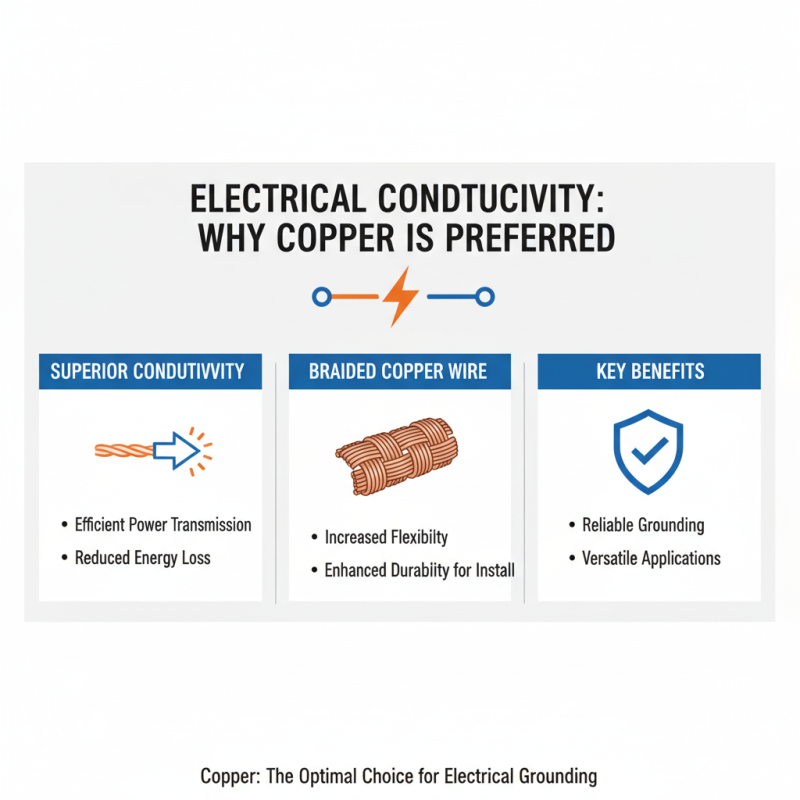
When it comes to electrical applications, the choice of ground wire is crucial. Braided copper ground wire is often favored for its outstanding electrical conductivity. Copper has excellent properties that allow it to transmit electricity efficiently. This results in reduced energy losses compared to other materials. The unique structure of braided wire increases flexibility and durability. This makes it easier to install in various environments.
Electrical safety and reliability are paramount in any installation. Copper's high conductivity ensures that it can handle large amounts of electrical current. This minimizes the risk of overheating and electrical failures. However, multiple factors can affect performance. For instance, the quality of the copper and the braiding technique can influence its efficiency. Some installations may not fully utilize the benefits of braided copper ground wire if not properly designed.
Moreover, while copper is a top choice, it is essential to consider cost and maintenance. Copper wires can be more expensive upfront but might save costs on energy in the long run. The installation might require more care to avoid corrosion, especially in humid environments. Ultimately, understanding these elements helps ensure that the selected ground wire meets the specific needs of your project.
Installation Considerations for Braided Copper Ground Wire
When choosing braided copper ground wire for electrical installations, consider several important factors. First, ensure proper sizing. The diameter of the wire impacts its conductivity and overall performance. A thicker wire might be needed for high-demand systems.
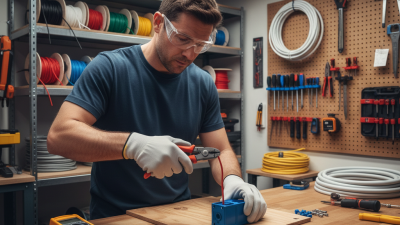
Installation should be done carefully. Ensure all connections are tight. Loose connections can lead to overheating or failure. Also, avoid sharp bends in the wire. Such bends can weaken the wire and compromise its integrity.
Tips: Regularly inspect your installation for signs of corrosion or wear. This can prevent potential hazards. Use corrosion-resistant connectors to enhance longevity. If unsure about installation, consult with an expert. They can provide valuable insights and ensure safety standards are met.