Why Choose Three Core Flat Cable for Your Projects?
When embarking on a project, selecting the right materials is crucial. One option that stands out is the Three Core Flat Cable. Its unique design offers numerous advantages. This cable is widely appreciated in various applications due to its reliability and efficiency.
Using Three Core Flat Cable can significantly enhance your work quality. It features three conductors, allowing for a more organized and efficient connection. This is especially beneficial in complex setups where space is limited. Additionally, the flat design minimizes tangling and promotes better airflow, reducing the risk of overheating.
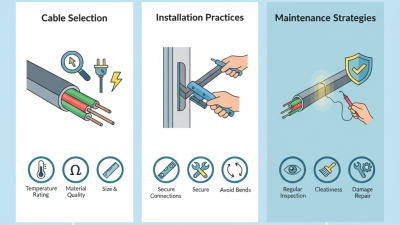
However, choosing the right cable isn’t always straightforward. Some may overlook the importance of quality and specifications. It’s essential to consider factors like insulation and current rating. A common mistake is to choose based on price alone, sacrificing long-term reliability. While Three Core Flat Cables have proven their worth, understanding your project's specific needs is key. This decision can prevent future complications and ensure lasting performance.
Understanding the Basics of Three Core Flat Cable Design
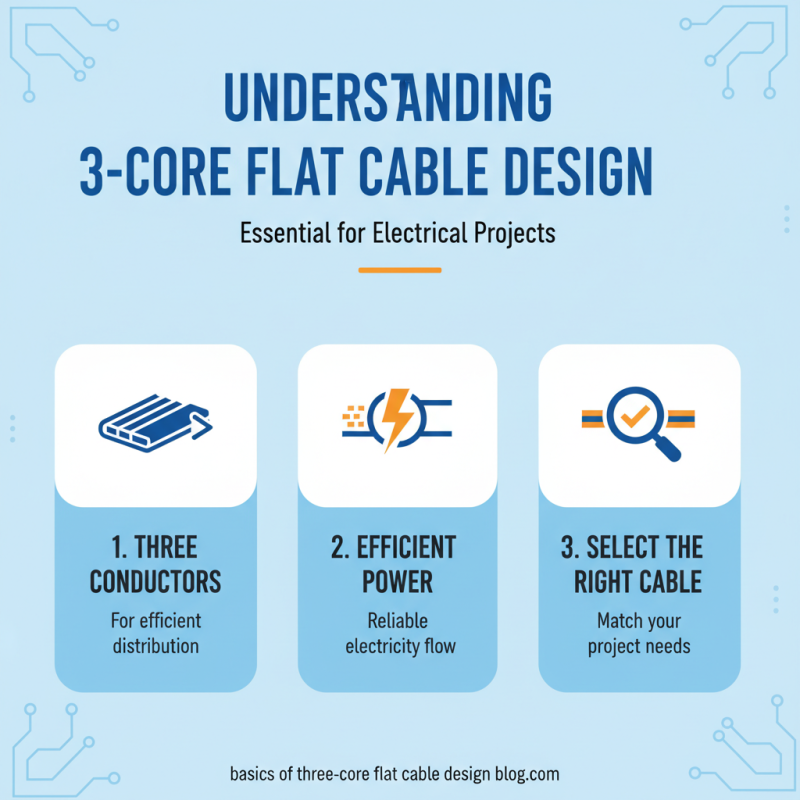
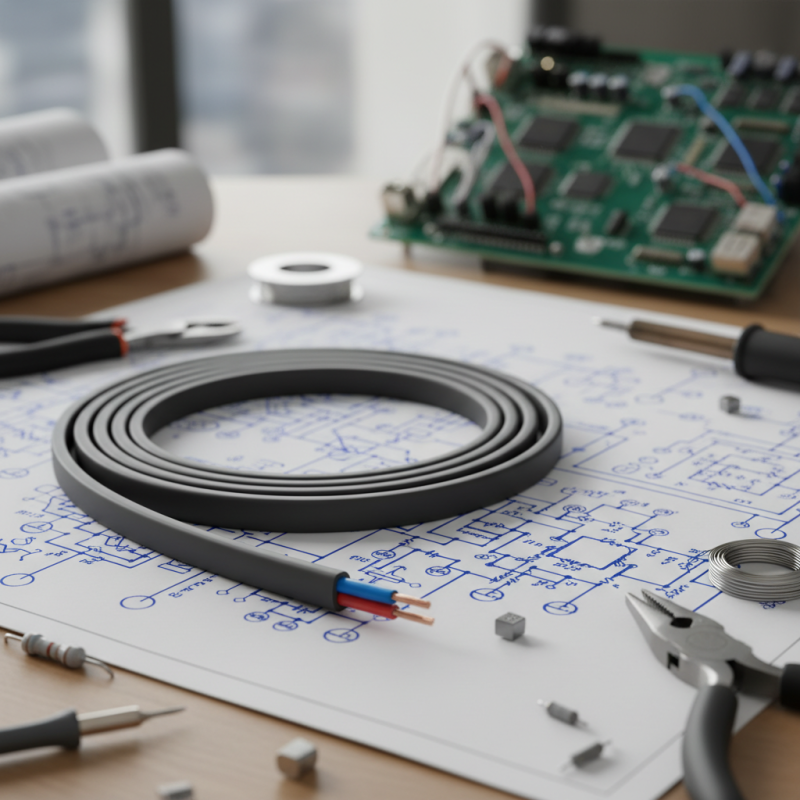
Three core flat cables are essential for various electrical projects. Their design typically includes three conductors, ensuring efficient electricity distribution. Understanding the basics can help you select the right cable for your needs.
The flat design allows for easier installation in tight spaces. It also minimizes electrical interference, which is crucial for sensitive applications. Pay attention to insulation types when choosing your cable. Good insulation ensures safety and durability.
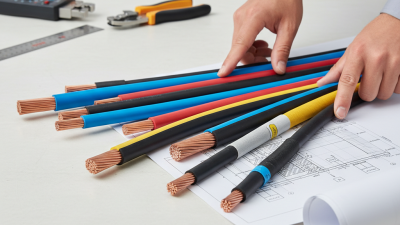
Tip: Always consider the environment where the cable will be used. Factors like temperature and humidity can affect performance. Another suggestion is to check for color-coding. This can simplify connections and reduce errors. Reflect on your projects and their specific needs when deciding on the cable type.
Key Advantages of Using Three Core Flat Cables in Projects
Three core flat cables are becoming essential in various projects. Their design offers unique advantages. These cables feature three conductors that operate efficiently in both residential and commercial setups. According to recent industry data, projects utilizing three core flat cables can reduce installation time by up to 30%. This is significant for teams working under tight deadlines.
The flat design allows for easier routing and flexibility. Projects that require a tidy finish benefit from this feature. A leading electrical engineering report noted that proper cable management can enhance safety and reduce hazards. Moreover, their durability ensures long-term performance, often outlasting traditional round cables in similar environments.
However, some challenges exist. Not all installations may accommodate flat cables easily. There is also a learning curve for electricians unfamiliar with this type of cabling. Awareness of these issues can lead to better decision-making. Ultimately, the benefits of reduced time and improved safety often outweigh these concerns.
Applications of Three Core Flat Cables in Different Industries
Three core flat cables are widely used across various industries due to their efficiency and flexibility. In the construction sector, these cables provide reliable power connections for tools and machinery. Their flat design helps save space during installation. This feature is particularly beneficial in tight or complex wiring layouts, which can often be a challenge.
In the automotive industry, three core flat cables are essential for powering various electrical components. They ensure seamless communication between different systems in vehicles. Their durability allows them to withstand harsh conditions. However, there are situations where these cables may not perform as expected if not installed correctly. Proper handling is crucial for their longevity and effectiveness.
In the home appliance sector, these cables are commonly found in wiring harnesses. They help connect appliances to power sources efficiently. Yet, improper usage can lead to overheating and potential safety hazards. Users must understand the specific requirements of their applications for optimal performance. Overall, three core flat cables play a significant role in diverse settings, highlighting the need for careful evaluation and implementation.
Installation and Handling Tips for Three Core Flat Cables
When working with three core flat cables, proper installation is crucial for optimal performance.
Start by ensuring that your workspace is clean and organized. This reduces risks during installation and allows for smoother handling.
Remember to wear protective gloves to safeguard against sharp cable edges.
It may seem minor, but these precautions can prevent injuries and ensure safety.
Cut the cable to the required length, leaving some extra length for adjustments.
Label each core clearly to avoid confusion later. This simple step can prevent errors during the wiring process and save time.
When bending the cable, take care to avoid sharp angles.
Tight bends can damage the internal conductors, leading to reduced efficiency.
During installation, double-check your connections. Loose fittings can cause electrical failures.
It’s important to adhere to local codes, even if they seem unnecessary.
Reflect on any previous installations; what worked well, and what didn’t?
Learning from past mistakes can improve future projects. Each installation brings unique challenges, so maintaining a mindset of adaptability is essential.
Comparing Three Core Flat Cables with Other Cable Types
Three core flat cables are increasingly preferred in various projects due to their unique advantages. Compared to round cables, flat cables offer several benefits. They are easier to install in tight spaces. The flat design means less bulk, which simplifies routing.
According to industry reports, three core flat cables are rated for better electrical efficiency. They often have lower voltage drops compared to traditional round cables. This efficiency can lead to energy savings over time. In some cases, the loss in a round cable can reach 10%, while flat cables reduce this number significantly.
**Tip:** When selecting cables, consider the installation environment. Flat cables can be more suitable for office and residential spaces with limited wiring routes.
However, it's important to note that flat cables can be less durable in rugged environments. They may not withstand extreme temperatures well. This limitation needs careful consideration when planning your project.
**Tip:** Evaluate the expected wear and tear in your application. Sometimes, investing in additional protective measures might be necessary for flat cables.
Why Choose Three Core Flat Cable for Your Projects?
The chart above compares the performance ratings of different types of cables. As depicted, the Three Core Flat Cable stands out with a high performance rating of 85, making it an excellent choice for a variety of projects due to its reliability and efficiency.