How to Choose the Right Direct Burial Wire for Your Needs?
Choosing the right Direct Burial Wire is essential for any outdoor electrical project. This type of wire is specifically designed to be buried underground. It must endure moisture, soil acidity, and varying temperatures. Selecting the wrong wire can lead to failures and safety hazards.
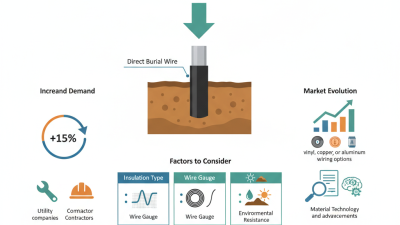
When looking for Direct Burial Wire, consider the wire gauge and insulation type. Larger gauges handle more current but may be less flexible. Insulation should withstand the elements and provide resistance against corrosion. Not all wires are equal, and it’s crucial to understand your specific needs.
Experience with different wire types can guide your choice. Research local codes to ensure compliance. Consulting experts can help clarify any doubts. Reflecting on your project's requirements can save time and money. Making an informed decision enhances safety and performance in the long run.
Understanding Direct Burial Wire: Key Features and Specifications
When selecting direct burial wire, understanding its key features and specifications is essential. Direct burial wires are specifically designed to withstand harsh environments. They are commonly insulated with materials such as polyethylene or PVC. This insulation keeps moisture out and protects the wire from soil acidity. According to industry reports, proper insulation increases the wire's lifespan by up to 25%.
One crucial specification to consider is the wire gauge. A lower gauge indicates a thicker wire, which can handle more current. For instance, a 12-gauge wire can carry 20 amps, suitable for most outdoor lighting. However, thinner wires may not offer the same durability. Experts recommend evaluating your application's power requirements and soil conditions before making a choice. It's essential to acknowledge that improper selection might lead to wire degradation and increased replacement costs.
Moreover, look for wires that comply with industry standards, such as UL or NEC. These standards ensure safety and reliability. However, not all products meet these benchmarks consistently. A recent survey found that almost 15% of installers encountered issues with non-compliant wiring. This emphasizes the importance of researching and validating wire specifications before purchase. Reliable installation is vital for long-term performance. Taking the time to understand these key features can prevent future complications.
Types of Direct Burial Wires: Comparing Materials and Uses
When selecting direct burial wires, material plays a crucial role. The most common types are copper and aluminum. Copper wires are known for their excellent conductivity, ensuring minimal energy loss. According to a 2023 industry report, copper wires can transmit electricity more efficiently than aluminum by up to 30%. However, copper's higher cost often deters budget-conscious projects.
Aluminum wire, while less efficient, is lighter and more affordable. Reports indicate that aluminum is approximately 50% lighter than copper at the same gauge. This makes it easier to handle for larger installations. However, its higher resistivity can lead to greater heat buildup. Some users report issues with connections when using aluminum, requiring careful attention to installation practices.
Choosing insulation is equally important. Direct burial insulation is typically rated for wet conditions. Ethylene Propylene Diene Monomer (EPDM) is a popular choice because of its durability and resistance to moisture. It's essential to consider environmental factors, as poorly insulated wires can degrade quickly, resulting in costly repairs. Many professionals emphasize the importance of proper installation to maximize lifespan. Selecting the right wire can be challenging, requiring a balance between cost, performance, and environmental conditions.
Comparison of Different Types of Direct Burial Wires
Determining the Right Wire Gauge for Your Project Needs
Choosing the right wire gauge for direct burial applications is critical for safety and efficiency. Wire gauge determines the voltage drop, the amount of current the wire can carry, and how well it resists environmental factors. For example, lower gauge numbers indicate thicker wire. This is essential in reducing resistance and ensuring adequate power supply.
When selecting the gauge, consider the distance from the power source to the load. A longer distance often requires a thicker wire gauge to minimize voltage loss. For instance, if you’re installing a new landscape lighting system that is far from the electrical panel, a thicker gauge will help maintain brightness and efficiency. Additionally, environmental conditions matter. Wet soil can increase resistance, so using a thicker gauge wire can protect against potential overheating.
It's easy to overlook these factors. A wire that's too thin may lead to inefficient operation and even pose safety hazards. Many DIYers underestimate their projects, assuming a standard gauge will suffice. Testing and calculations often reveal discrepancies. Take the time to assess your specific needs. Don't rush; it's worth reflecting on the details before finalizing your choice.
Environmental Considerations for Direct Burial Wire Selection
When selecting direct burial wire, environmental factors play a critical role. The soil type can greatly affect the wire's longevity. For example, acidic soil can corrode metal over time. Conversely, sandy soil may provide better drainage and less moisture retention, thereby prolonging the life of the wire. Assessing your specific environment will help choose the right material.
Consider temperature fluctuations in your area. Extreme temperatures can impact wire performance. For regions with considerable seasonal changes, select wire that can withstand varying conditions. Additionally, look at moisture levels in your soil. High moisture can lead to insulation degradation. The right insulation type can mitigate these risks.
Placement depth is another factor. Installing wire too close to the surface may expose it to damage from weather or gardening tools. Think about potential disturbances to the soil. While it’s easy to overlook, nearby tree roots can also affect wire durability. Evaluating all these elements ensures a wise investment in your electrical infrastructure.
Installation Tips for Successful Direct Burial Wiring
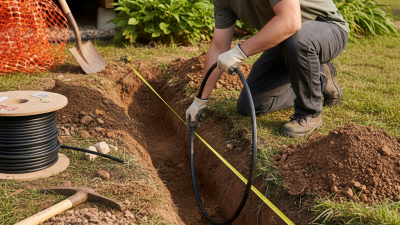
When installing direct burial wiring, careful planning is essential. Choose a suitable location that minimizes risks. Look for areas free from sharp objects or extreme moisture. Adequate depth is crucial to prevent accidental damage. Generally, burying your wire at least 24 inches deep is recommended.
Tips: Always use proper insulation rated for underground usage. This can help avoid issues later. It's important to keep the wire away from heavy traffic areas. If you are in a rocky region, consider using protective conduits. Regularly inspect the installation site for any signs of wear or damage.
Be aware of local codes and regulations to ensure compliance. This may save you from costly adjustments in the future. Pay attention to weather conditions during installation. Extreme temperatures can affect the materials used. Keep track of your installation process and document any challenges faced. This reflection can help improve future projects.