How to Choose the Right Electrical Wire Single Core for Your Project?
Choosing the right Electrical Wire Single Core is vital for any electrical project. According to a recent industry report, improper wire selection can lead to inefficiency and safety hazards. The National Electrical Code states that wire size impacts current capacity significantly. For example, using a wire that is too small can cause overheating.
When selecting Electrical Wire Single Core, consider the wire's resistance and current rating. Many projects fail due to underestimating these factors. Additionally, the environment plays a critical role. Wet or exposed locations require specific insulation types. Each application has unique needs, and understanding these is crucial for success.
Mistakes are common in wire selection. Many choose based on cost rather than suitability. This leads to issues down the line. Reflecting on these choices can improve future projects. Proper education on Electrical Wire Single Core will lead to better decision-making. Understanding these principles is essential for both safety and efficiency.
Understanding Electrical Wire Types and Their Applications
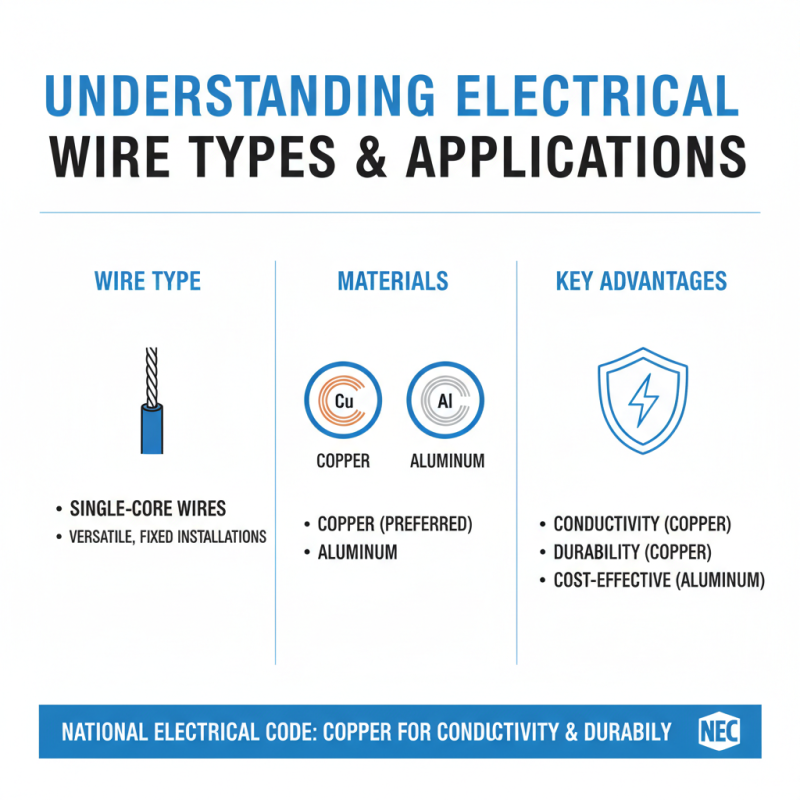
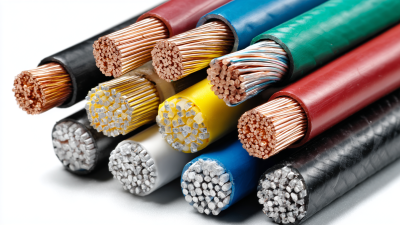
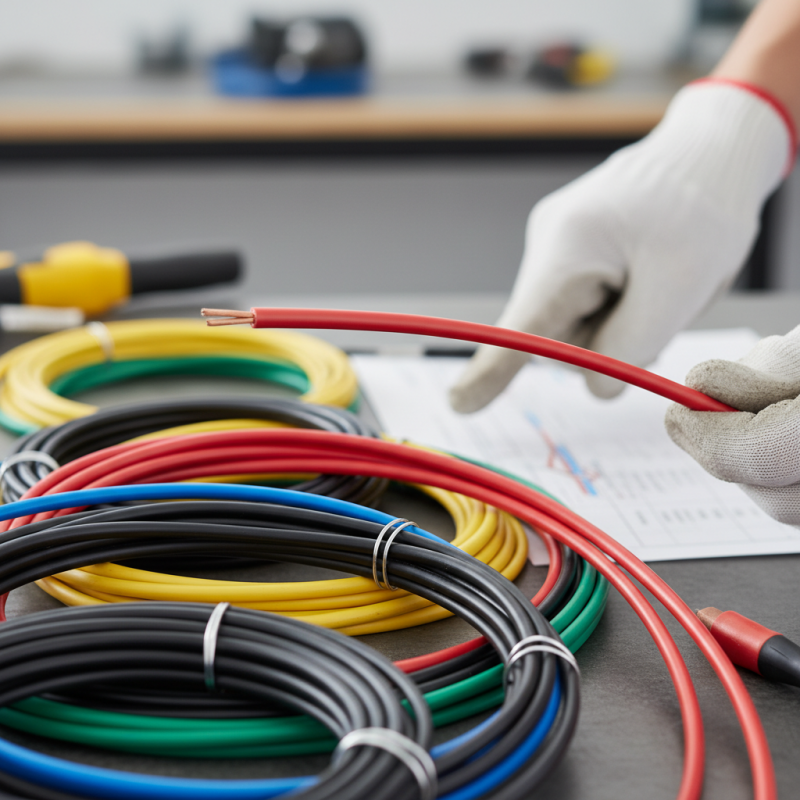
When selecting electrical wires, understanding types and their applications is crucial. Single-core wires are versatile, often used in fixed installations. They come in several materials, including copper and aluminum. According to the National Electrical Code, copper is preferred for its conductivity and durability.
Different wires hold distinct characteristics. For instance, PVC insulation is common but may not withstand extreme heat. Relying solely on low-cost wires can lead to future issues. A 2021 report from the International Electrotechnical Commission states that inadequate wire selection contributes to electrical fires in 20% of cases. This statistic highlights the importance of choosing the right type for each application.
In residential settings, single-core wires often serve lighting and power outlets. Yet, improper gauge selection can restrict current flow. It’s vital to consult voltage drop tables when planning long runs. Customers often overlook this step, leading to inefficiencies. Assessing the specific needs of a project ensures safety and functionality.
Key Factors to Consider When Choosing Single Core Electrical Wire
Choosing the right single core electrical wire is essential for any project. The type of wire affects safety, performance, and overall efficiency. When selecting, consider factors like ampacity, insulation type, and environment. According to the National Electrical Code, the wire must handle the load of your project.
Ampacity is the maximum current the wire can carry. Using a wire with inadequate ampacity can lead to overheating. For example, a 14 AWG copper wire typically handles 15 amps. Choosing a wire with higher ampacity can provide a safety margin. It's crucial to check load requirements before making a decision.
Insulation type matters too. Different materials suit varied environments. For instance, PVC insulation works well indoors, while cross-linked polyethylene (XLPE) is better for harsh conditions. Take into account temperature ratings, as low-quality insulating materials can degrade and fail.
Tip: Always verify your wire's specifications against your project's planned load to avoid any surprises.
Often, people overlook environmental factors. Is the wire exposed to moisture or chemicals? Such exposure can affect longevity. Understanding the terrain and conditions will help ensure your wire lasts.
Tip: Use wire that exceeds environmental demands. It may cost more up front but could save you money later.
Assessing Wire Thickness: Gauge Sizes and Their Importance
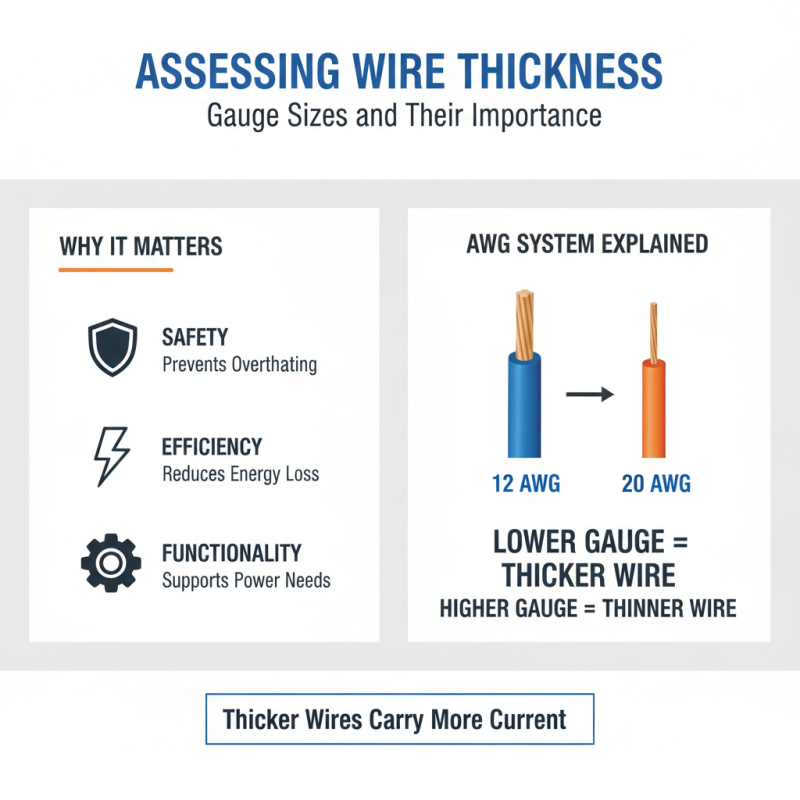
When embarking on an electrical project, choosing the right wire gauge is crucial. Wire thickness impacts safety, efficiency, and functionality. Thicker wires can carry more current, while thinner wires are limited. Understanding the gauge sizes is essential. The American Wire Gauge (AWG) system determines wire thickness. A lower gauge number means a thicker wire. For instance, 12 AWG wire is thicker than 20 AWG wire.
Tips: Always consider the load your project will handle. If in doubt, opt for a thicker wire. It can prevent overheating. Remember, the right wire size influences voltage drop. A significant drop can affect your project's performance.
Keep in mind the environment as well. Some wires work better outdoors. Others are designed for indoor use. Factors like temperature and exposure can impact wire choice. Evaluate your project's specific needs. It's easy to overlook these details. However, they are vital for safe and efficient electrical work.
Determining Voltage and Current Requirements for Your Project
When selecting the right electrical wire, understanding voltage and current needs is crucial. Every project has specific requirements that dictate the type of wire to use. For example, a typical household circuit might need 120 volts. This means using 14-gauge wire, which can handle up to 15 amps. It's important to check the local electrical codes to ensure compliance.
Not every project is straightforward. Some may require higher voltages or currents. In industrial settings, a three-phase system may require wire rated for 240 volts or more. According to industry standards, using a wire with insufficient ratings can lead to overheating or even fire hazards. Reports indicate that overloaded circuits are a leading cause of electrical fires, stressing the importance of proper wire selection.
Evaluating the environment is also key. For outdoor projects, wires need to be UV resistant. Humidity or heat can affect performance. If you choose the wrong wire type, you may find it degrades quickly. Remember, safety should always come first, even if it means re-evaluating wire choices. Proper planning can help prevent costly errors.
Safety Standards and Regulations for Electrical Wiring Projects
When selecting electrical wire for your project, understanding safety standards is crucial. Different regions have various regulations that dictate wire types, sizes, and usage. Ensuring compliance keeps not only your project safe but also those who use or encounter it. Inadequate compliance can lead to hazards such as electrical fires or shock.
Consider local codes and national standards when choosing wire. For instance, in residential settings, certain wires are required to withstand specific voltage levels. Choose wires that are rated for the environment they will be in. This ensures longevity and safety.
Tips for staying compliant: always check recent guidelines from local authorities. Inspect wires for abrasions or damage before installation. It's easy to overlook small defects, but they can lead to issues later. Remember, safety is paramount. Investing time in understanding regulations pays off in security and peace of mind.
Electrical Wire Types and Their Applications