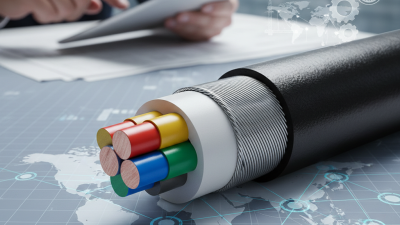
2026 How to Choose the Right 3 Phase Armoured Cable?
Choosing the right 3 Phase Armoured Cable can seem daunting. The options available are vast, each with distinct characteristics. Understanding these differences is crucial for making informed decisions.
3 Phase Armoured Cable is essential for many industrial applications. Its robust design protects against mechanical damage and environmental factors. However, not all cables are created equal. Factors like insulation material, conductor size, and voltage rating must be considered. Missteps in selection can lead to inefficiencies or even safety hazards.
As you explore your options, reflect on your specific needs. Are you prioritizing durability over flexibility? Is cost a critical factor? Engaging with experienced professionals can provide valuable insights. Always ensure that the products you select comply with industry standards. In the end, thorough research pays off, ensuring safety and reliability in your electrical systems.
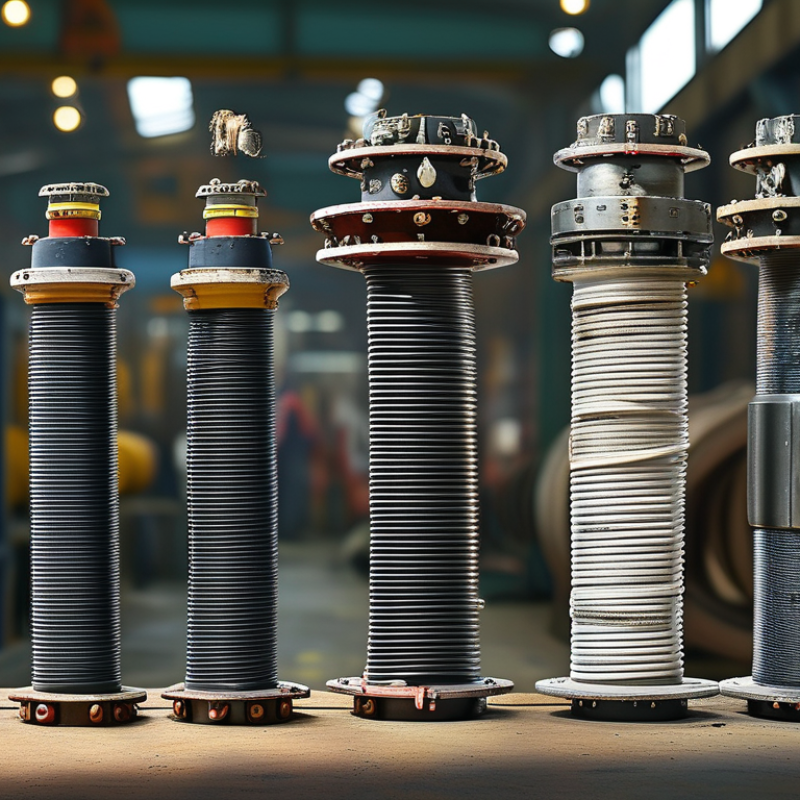
Understanding 3 Phase Armoured Cables: Definition and Importance
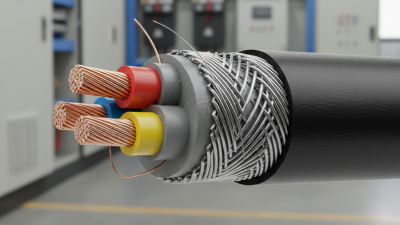
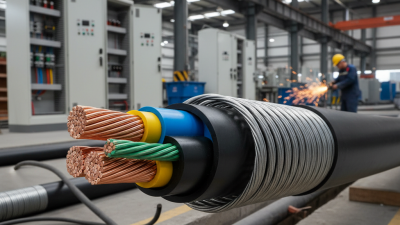
Three-phase armoured cables play a vital role in electrical systems. They are designed to handle high power loads efficiently. The armoured layer protects the cable from mechanical damage and environmental factors. This durability is crucial for industries that rely on uninterrupted power supply.
Understanding these cables involves knowing their structure and function. A three-phase system distributes electrical power more evenly. This leads to increased efficiency and lower energy costs. The choice of cable depends on various factors, including installation environment and load requirements. Incorrect choices can lead to failures or hazards.
It’s important to evaluate installation conditions carefully. Is the cable exposed to harsh elements? Will it face frequent physical impacts? Address these questions before purchasing. Reflecting on previous installations can provide valuable insights. Consider consulting with electrical professionals to ensure optimal choices. They can offer expertise to avoid common pitfalls.
Key Factors to Consider When Choosing Armoured Cables
When selecting a 3-phase armoured cable, there are several key factors to consider. The environment where the cable will be installed is crucial. Areas with high moisture, extreme temperatures, or potential physical damage need robust cables. Ensure the armouring material can handle these conditions.
Tips: Evaluate the conditions of your installation site carefully. The right choice will enhance the cable's lifespan and performance.
Conductor size also plays a significant role. A larger conductor can carry more current but may increase costs. Analyze the electrical load accurately. Oversizing can lead to unnecessary expenditure. Conversely, undersizing may cause failures.
Tips: Consult with an electrical engineer for precise load calculations. Their expertise ensures you choose the right conductor size.
Finally, consider the installation method. Different methods require different cable specifications. Whether you bury the cable or run it overhead, ensure it complies with local regulations. This can prevent future technical issues.
Tips: Double-check local codes to avoid mishaps. Staying informed saves time and resources.
Comparison of Different Types of 3 Phase Armoured Cables
When choosing 3 phase armoured cables, understanding the various types is crucial. Three main types exist: XLPE, PVC, and rubber cables. Each has unique properties. XLPE cables offer excellent thermal and chemical resistance. According to industry reports, they can handle temperatures ranging from -40°C to 90°C. They are useful in harsh environments. However, their cost can be a drawback.
PVC cables provide a balance between affordability and performance. They are flexible, making installation easier. Yet, they have lower temperature resistance compared to XLPE. Reports show that PVC cables can withstand temperatures up to 70°C. This limitation may not suit all applications.
Rubber cables are favored for their durability and flexibility. They excel in environments with frequent movement. Industry studies suggest they perform well in challenging conditions. However, they can be more expensive and less available than other options. Assessing your specific needs is essential. Failure to do so may lead to unexpected failures. Choosing the right type impacts overall system efficiency.
Comparison of Different Types of 3 Phase Armoured Cables
This chart demonstrates the performance ratings of different types of 3 phase armoured cables, which are crucial for selecting the right cable for various electrical applications. The ratings reflect factors such as thermal resistance, mechanical strength, and environmental durability.
Installation and Safety Guidelines for Armoured Cables
When installing armoured cables, following safety guidelines is crucial. These cables protect electrical systems from physical damage and environmental factors. They are often used in industrial settings, where durability is essential. Always use the correct tools during installation to ensure safety. A simple mistake can lead to significant hazards.
Proper grounding is vital when working with three-phase armoured cables. This minimizes the risk of electrical shocks. Use appropriate connectors and fittings to maintain the integrity of the cable. Check for any visible damage before installation. Regular maintenance checks are key in prolonging the life of cables.
Ensure that the installation area is clean and free from obstructions. Clear the path for installation. This reduces the likelihood of accidental damage during the process. Adhering to electrical codes can prevent future issues. Reflect on the installation process to improve and learn from any challenges faced. Always prioritize safety and reliability for optimal performance.
Maintenance Tips for Ensuring Longevity of Armoured Cables
When considering the maintenance of three-phase armoured cables, proper care is essential. These cables are built for durability, yet neglect can lead to failures. Reports indicate that improper installation contributes to 30% of cable-related incidents. Regular visual inspections are vital. Check for any signs of damage or wear, especially at connection points. A worn-out sheath can expose conductors to moisture, causing short circuits and downtime.
Furthermore, ensuring proper installation conditions is crucial. Avoid placing cables in areas with excessive heat or mechanical stress. Industry studies highlight that environmental factors can significantly reduce cable lifespan. For example, cables exposed to chemical agents may deteriorate 50% faster than those in controlled settings. Periodic testing of insulation resistance is also recommended. This testing can identify potential issues before they escalate.
Documenting maintenance activities can enhance reliability. Keeping a log helps track inspections and repairs. Data shows that organizations with diligent maintenance records face 20% fewer breakdowns. However, not all operators adhere to this practice, which can be a reflection of inadequate training. Establishing a clear maintenance protocol will help ensure the longevity and efficiency of your armoured cables.