2026 How to Choose the Right Crane Cable for Your Projects?
Choosing the right Crane Cable for your projects is crucial for safety and efficiency. With various types available, making an informed decision can be challenging. Understanding the specific requirements of your crane operation is key. Factors like load capacity, environmental conditions, and cable length matter significantly.
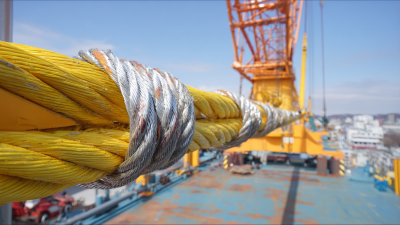
When evaluating Crane Cable, consider the type of material used. Options range from steel to synthetic fibers. Each material has distinct advantages and limitations. For example, while steel cables offer durability, they can be heavier and less flexible. On the other hand, synthetic cables are lighter but may not withstand harsh environments as effectively.
Reflecting on past experiences can guide your selection process. Have you faced issues with cable wear or load failure? Such instances underscore the importance of the right choice. Always consult with experts to enhance your approach. Investing time in research pays off in safer and more productive operations.
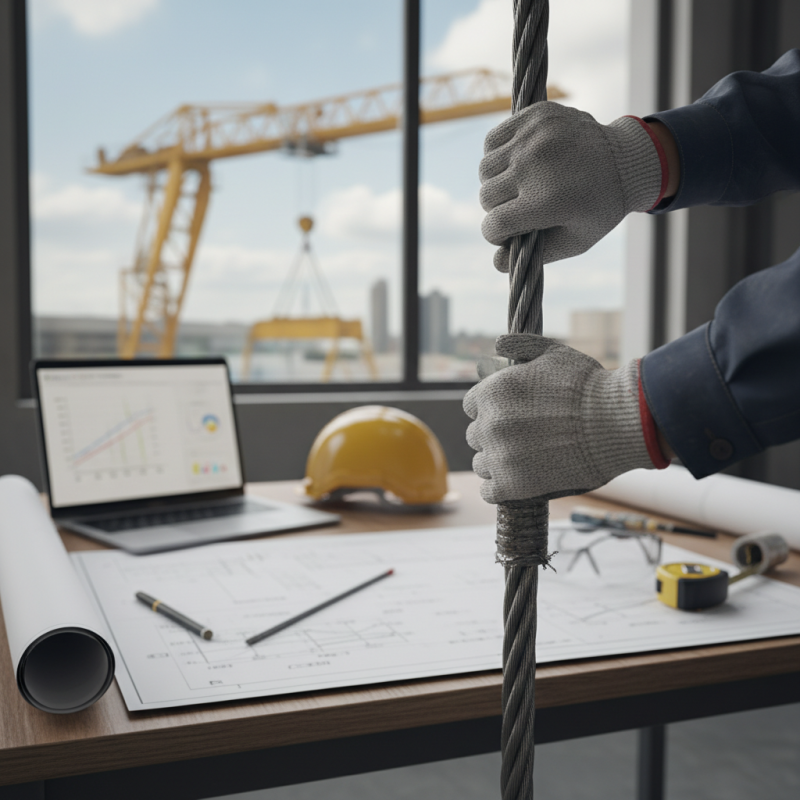
Understanding Crane Cable Specifications and Requirements
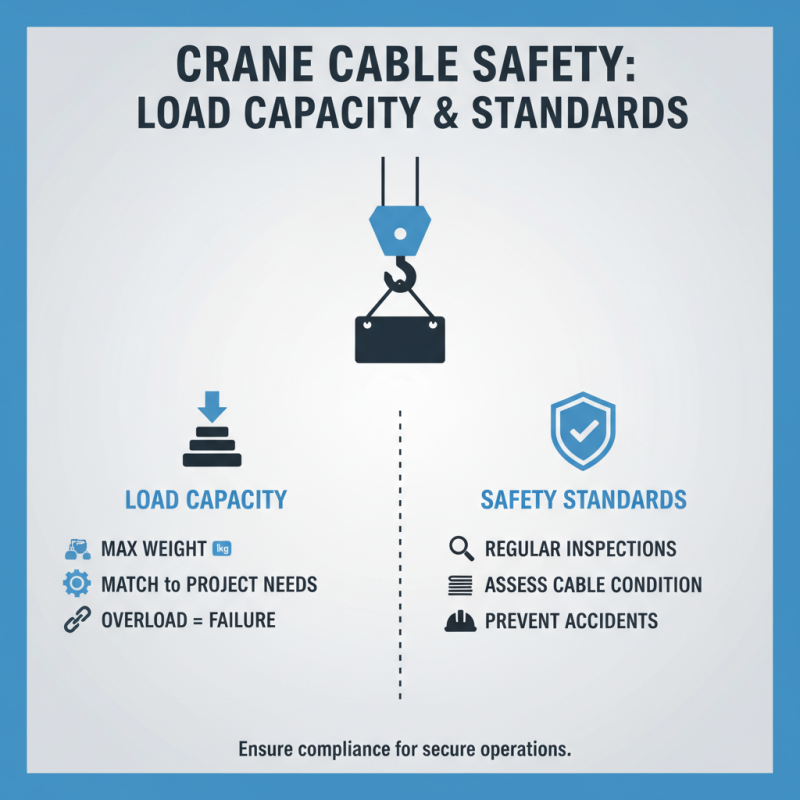
Choosing the right crane cable is crucial for ensuring safety and productivity in lifting operations. Understanding the specifications and requirements of crane cables can help prevent accidents and equipment failures. According to industry data, over 30% of crane incidents result from improper cable selection or maintenance. Selecting cables that meet the load requirements and environmental conditions is essential.
When evaluating crane cable specifications, consider factors such as tensile strength, flexibility, and environmental resistance. High-quality cables often feature enhanced sheathing for abrasion and weather resistance. The wire rope construction is also important; for instance, multi-strand cables offer better flexibility in tight spaces, while thicker cables provide added strength. Additionally, assess the manufacturer's recommendations on maximum load capacities, ensuring compatibility with your crane model.
Tips: Always inspect cables for signs of wear. Regular maintenance can extend cable lifespan. Be wary of cables that appear frayed or damaged, as they compromise safety. Understand that every lifting scenario might require a unique solution: a one-size-fits-all approach can lead to issues. Ensure your team is trained to identify the right cables for specific tasks. Balancing performance and safety is paramount in selecting crane cables.
Identifying the Different Types of Crane Cables Available
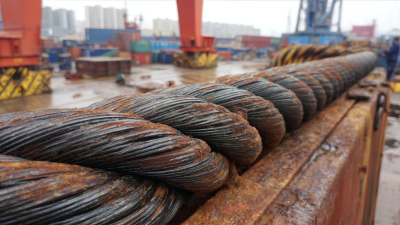
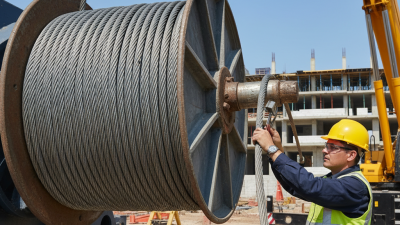
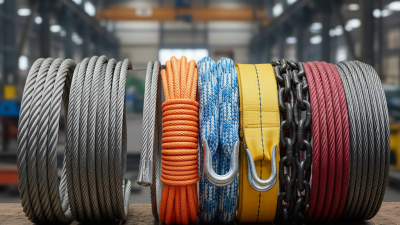
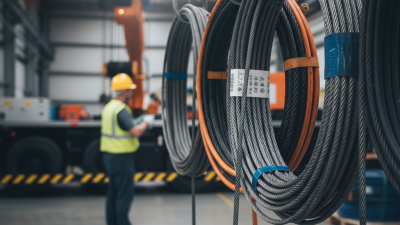
Understanding the various types of crane cables is crucial for project success. Different applications require distinct cable properties. The main types include wire rope, synthetic rope, and chain cables. Wire ropes are known for their durability. They are made from several strands of steel wire, offering high tensile strength. However, they can be heavy and require careful handling.
Synthetic ropes, on the other hand, are lightweight and easier to manage. Made from materials like polyester or nylon, they resist abrasion and moisture. A 2022 report from the Crane Institute indicates that synthetic ropes can reduce the overall weight of crane systems by up to 30%. This reduction can significantly enhance efficiency and reduce wear on equipment. However, they may lack the same load capacity as wire ropes in extreme conditions.
Chain cables are another option, offering flexibility and strength. However, they are often bulkier and heavier than other types. A recent industry survey highlighted that about 40% of professionals in construction face challenges in selecting the appropriate cable type. These insights stress the importance of evaluating project requirements before deciding on a crane cable. Accurate selection can prevent costly errors and improve safety on site.
Evaluating Environmental Factors Affecting Crane Cable Choice
When selecting a crane cable, environmental factors play a crucial role. These elements can significantly affect cable performance and longevity. For example, temperature variations can weaken insulation, leading to potential failures. Extreme heat or cold may require specialized materials that can withstand these conditions without degrading.
Moisture is another key consideration. In humid environments, cables may experience corrosion. Rain or snow can also lead to water intrusion, which impacts electrical performance. Choosing cables with appropriate sheathing can mitigate these risks. Always assess the specific site conditions before making a decision.
An often-overlooked factor is the presence of chemicals. In industrial settings, cables may encounter various substances. Choosing materials resistant to specific chemicals can prevent unexpected damage. Additionally, vibrations and mechanical stress from nearby equipment should also guide your cable selection. Reflecting on these environmental factors ensures that the right crane cable is chosen for optimal performance and safety.
Cost Considerations and Maintenance for Crane Cable Selection
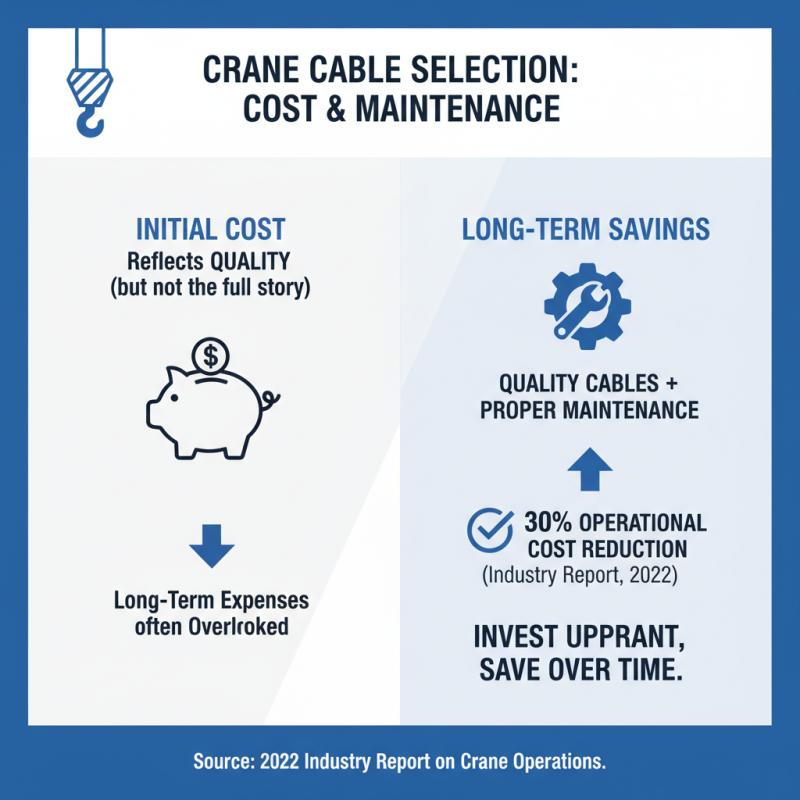
When selecting crane cables, cost and maintenance are crucial factors. The initial price may reflect quality, but it often does not tell the full story. Many projects overlook long-term expenses. For instance, a 2022 industry report found that proper maintenance can reduce operational costs by 30%. Therefore, investing in high-quality cables upfront can lead to savings over time.
Maintenance plays a significant role in cable longevity. Regular inspections are vital. A well-maintained crane cable can last up to five years longer than one that is ignored. Failure to conduct timely maintenance can result in unexpected replacement costs and downtime. According to a recent study, 60% of crane-related incidents result from cable failure linked to poor maintenance practices.
Understanding the environment where cables will be used is important. Cables are exposed to wear and tear depending on their operating conditions. Harsh conditions, such as extreme temperatures or abrasive materials, can shorten their lifespan. It’s essential to match the cable specifications to project demands to prevent costly mistakes. Keeping track of cable performance can provide insights for future projects.