How to Choose the Right Home Wire for Your Electrical Projects?
Choosing the right home wire is critical for any electrical project. In 2022, the National Fire Protection Association reported that faulty wiring caused about 25% of home electrical fires. This statistic underscores the importance of selecting the appropriate wire for your needs. Not only can the right home wire enhance safety, but it can also improve energy efficiency.
Home wire comes in various types and gauges. These specifications are essential for different applications. For example, using the wrong gauge can lead to overheating and potential hazards. Many people underestimate the importance of these details. Additionally, understanding voltage ratings is crucial. A mismatch can lead to equipment failure or safety risks.
Selecting home wire requires careful thought and research. Electrical codes vary by region, making it vital to stay informed. Frequent mistakes include overlooking local regulations or buying substandard wire. A thoughtful approach can prevent costly errors and enhance the longevity of your projects. Thus, knowledge and awareness are key when choosing your home wire.
Understanding Different Types of Electrical Wires for Home Use
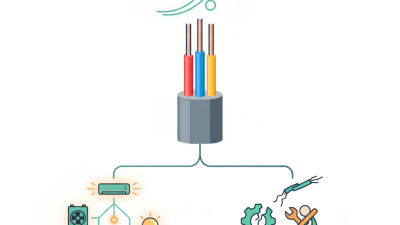
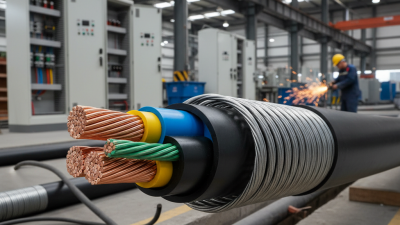
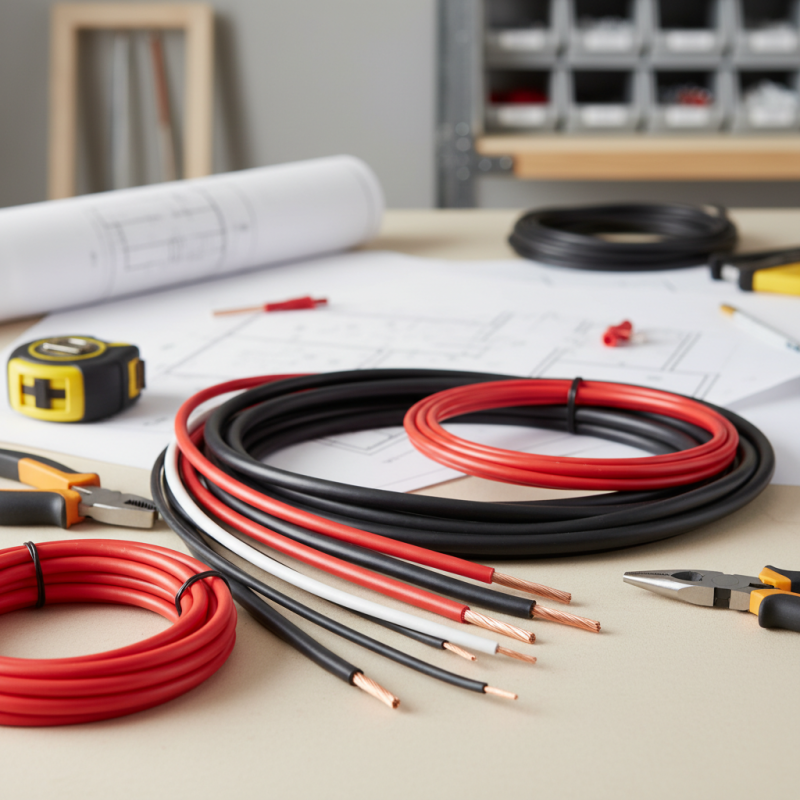
When embarking on electrical projects at home, selecting the appropriate wire is crucial. Several types of electrical wires are available, each serving different purposes. For general use, consider non-metallic sheathed cable (NM) for indoor wiring. It's flexible and easy to install. You may also choose armored cable (AC) for extra protection, especially in areas susceptible to damage.
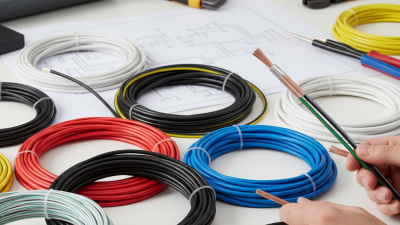
Another option is building wire, which handles high-voltage applications. This wire type is ideal for circuits that require significant power. Remember the color coding: black or red wires usually represent hot lines, while white is neutral. These details matter.
Different gauges also affect performance. A lower gauge signifies thicker wire, suitable for higher amperage. A mistake here could lead to overheating. Even home projects can go wrong if the wire isn’t up to standard. Always reflect on your choices. Each project teaches something new, and understanding wire types is a step towards safer electrical work.
Different Types of Electrical Wires for Home Use
Factors to Consider When Selecting Wire Gauge for Your Project
Choosing the right wire gauge is crucial for electrical projects. One significant factor is the current that will flow through the wire. According to the National Electrical Code (NEC), wires must handle the designed load without overheating. For instance, a 14-gauge wire is suitable for up to 15 amps, while a 12-gauge wire can handle 20 amps. Selecting the right size ensures safety and efficiency.
Another factor to consider is the length of the wire run. Voltage drop is a real issue in longer runs. A study by NEC indicates that a voltage drop of over 3% can negatively impact performance. For long distances, it may be necessary to use a thicker gauge. It’s important to note that not all projects are straightforward. Sometimes, professional advice is needed to avoid costly mistakes. Making a wrong choice in wire gauge can lead to serious issues down the line.
Lastly, environmental conditions play a role in wire selection. For instance, if the wire will be exposed to moisture or heat, rated products are necessary. Experiences in the field have shown that ignoring these factors can lead to wire failure. It’s easy to overlook details, but they are essential for safety and reliability in electrical projects.
How to Choose the Right Home Wire for Your Electrical Projects?
| Wire Gauge |
Ampacity (A) |
Typical Uses |
Voltage Rating |
| 14 AWG |
15 A |
Lighting Circuits, General Purpose |
600 V |
| 12 AWG |
20 A |
Kitchen Appliances, Circuits |
600 V |
| 10 AWG |
30 A |
Water Heaters, Heavy-Duty Tools |
600 V |
| 8 AWG |
40 A |
Subpanels, Large Appliances |
600 V |
| 6 AWG |
55 A |
Wiring for Hot Tubs, Heat Pumps |
600 V |
| 4 AWG |
70 A |
Main Service Feed, Large Motors |
600 V |
Assessing Voltage and Ampacity Requirements for Electrical Wiring
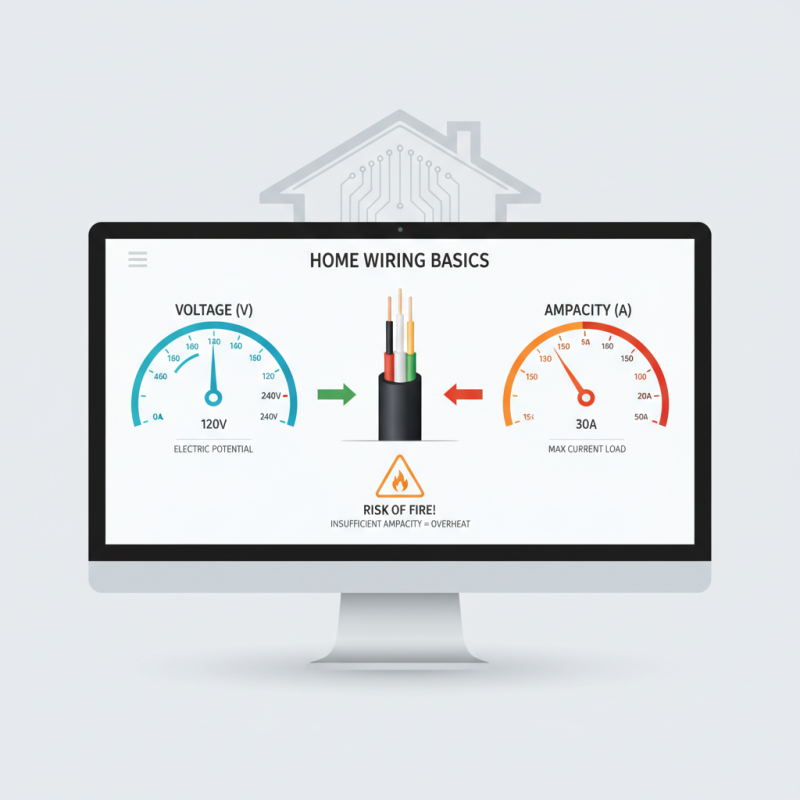
When selecting the right home wire, understanding voltage and ampacity is crucial. Voltage determines the electric potential flowing through the wire. For typical household usage, the voltage is usually around 120V or 240V. Ampacity, on the other hand, refers to the maximum current a wire can safely carry. This number is essential; using a wire that cannot handle the required load can lead to overheating and potential fire hazards.
Consider the devices you plan to power. Each device has a specific wattage and consequently, a current requirement. For instance, a 100-watt light bulb at 120V draws roughly 0.83 amps. You need to calculate the total load and ensure the wire can handle it. It’s worth noting that derating factors apply. If wires are bundled together or placed in high-temperature areas, the ampacity might need to be adjusted. Ignoring these factors could result in inadequate wire choice.
When in doubt, consult guidelines or seek advice. Mistakes in wire selection are common. Many underestimate the complexity of ampacity ratings. Always double-check calculations and consider future expansions. Planning ahead can prevent costly fixes later. Ensuring safety and efficiency should be the ultimate goal in your wiring projects.
Ensuring Safety Standards and Code Compliance in Wire Selection
Choosing the right home wire involves understanding safety standards and code compliance. In the United States, the National Electrical Code (NEC) provides guidelines for wiring installations. These codes are crucial for preventing electrical hazards. For example, using the appropriate wire gauge based on the current load is essential. A wire that is too thin can overheat. According to the NEC, a 15-amp circuit should use at least 14-gauge wire.
Local building codes may vary, adding to the complexity. It's important to check regulations in your area. Some regions may require specific insulation types or temperature ratings. Failure to comply can lead to fines or dangerous situations. It's not uncommon for DIY enthusiasts to overlook these details. They might choose wire based on price rather than compliance.
Inspections are often required before and after installation. A professional can help ensure that everything meets safety standards. Neglecting these regulations could result in costly rewiring or repairs. Remember, a small oversight can lead to significant safety risks. Take the time to educate yourself on these standards. The safety of your home and family is paramount.
Choosing Between Copper and Aluminum Conductors for Your Needs
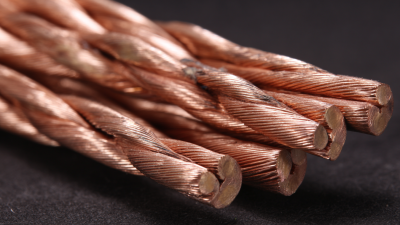
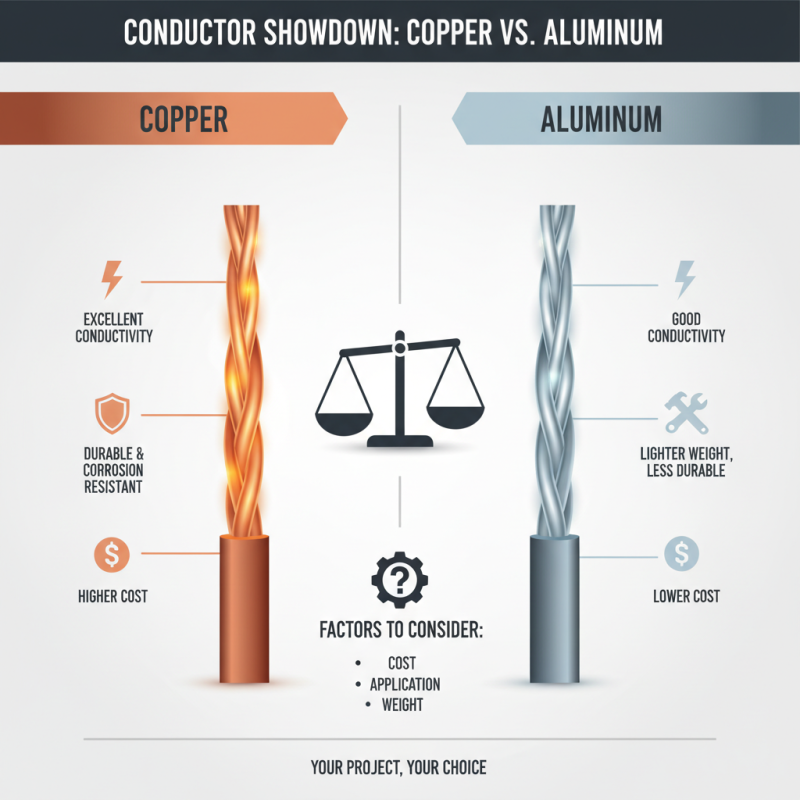
When it comes to choosing between copper and aluminum conductors, there are several factors to consider. Copper wires are known for their excellent conductivity. They are durable and resistant to corrosion, making them a popular choice for many projects. However, they can be more expensive than aluminum wires.
Aluminum conductors are lighter and usually more affordable. They are easier to handle, especially in large installations. Yet, aluminum can oxidize and does not conduct electricity as efficiently as copper. This can lead to performance issues if not handled properly.
**Tip:** Consider the specific needs of your project. If you prioritize durability and efficiency, copper is often the better option.
In contrast, for large-scale wiring where weight and cost are concerns, aluminum might be suitable. Just ensure proper connections to avoid reliability issues.
**Tip:** Always consult with a professional if unsure about your choice. They can provide insights tailored to your electrical demands, helping you avoid costly mistakes.