How to Choose the Right Home Wire for Your Project?
Choosing the right home wire for your project is crucial. It impacts both safety and efficiency. Many homeowners overlook this vital aspect. Understanding different wire types is essential.
Home wires come in various sizes and materials. Each type serves a specific purpose. For instance, copper wire is popular for its conductivity. Yet, it can be more expensive than alternatives. Consider your budget carefully.
An often unnoticed issue is the ampacity of the wire. Using the wrong gauge can lead to overheating. Always consult local codes and guidelines. It's a good practice to seek advice from professionals. Remember, the right home wire enhances safety and ensures your project is reliable.
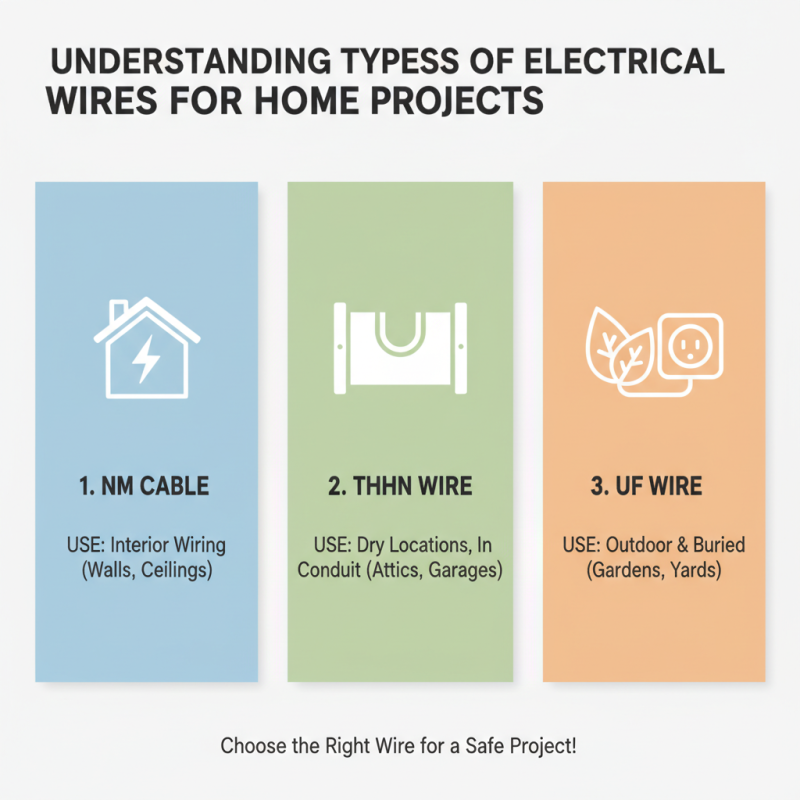
Understanding Types of Electrical Wires for Home Projects
Choosing the right electrical wire can be daunting. Understanding the types of wire is essential for your home projects. Common types include NM cable, THHN, and UF wire. Each serves specific purposes. NM cable is often used for interior wiring. THHN is great for dry locations and in conduit. UF wire is suitable for outdoor use.
Tips for picking the right wire: Start by assessing the project’s requirements. Check the amperage and voltage ratings. This ensures your wire will handle the electrical load. Don’t forget about safety ratings.
Another consideration is the wire gauge. Lower numbers mean thicker wires. Thicker wires can carry more current. Make sure to choose wires that match your project’s needs. Proper planning can save time and effort later. Avoid cutting corners on materials. It may lead to failures down the road. Each type of wire has its strengths and weaknesses, so think carefully.
Factors to Consider When Selecting Home Wiring
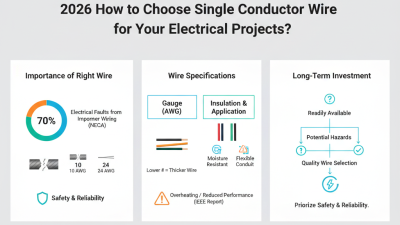
Choosing the right home wire for your project involves careful consideration of several factors. One key factor is the wire gauge. A lower gauge number indicates a thicker wire, which can handle more current. For instance, if you are wiring heavy appliances, you might need a lower gauge wire. This is essential for preventing overheating and ensuring safety.
Another important aspect is the type of insulation. Different materials provide varying levels of protection against heat and moisture. For example, if you are wiring in a damp area, choose wire with moisture-resistant insulation. This decision can significantly affect the longevity of your wiring. Also, local codes may dictate specific requirements. Always check them to avoid potential issues.
When working with wiring, it’s easy to overlook details. For example, many homeowners don't consider future projects. If you plan to add more appliances later, it's wise to install a wire with a higher capacity now. It’s about planning for the long haul. Reflecting on these choices helps ensure your project is both safe and efficient.
Safety Standards and Regulations for Wiring Projects
When it comes to home wiring projects, safety should always be your top priority. Understanding safety standards and regulations is crucial for any electrical undertaking. In many regions, local codes dictate the types of wire you can use. These codes ensure that the wiring meets safety requirements. Familiarizing yourself with these regulations is essential. It may feel overwhelming, but taking the time to read them can prevent accidents.
Tips: Always consult your local building authority. They can provide insights into necessary permits and inspections.
Common mistakes include overlooking grounding requirements. Proper grounding can protect both your home and yourself from electrical faults. Inadequate grounding often leads to hazardous situations. Always check that your wiring complies with the National Electrical Code or equivalent standards in your country.
Tips: Ensure you use wire rated for your specific application. This is vital for safety and performance.
Remember, while DIY projects can be rewarding, you should never compromise on safety. Research thoroughly and consider hiring a licensed electrician for complex jobs. It's better to reach out for help than to risk potential dangers.
Common Mistakes to Avoid in Wiring Selection
When selecting the right wire for your project, it's crucial to avoid common mistakes.
One widespread error is choosing the wrong wire gauge.
Using wire that is too thin for your project's needs can lead to overheating and potential hazards.
Always refer to wire gauge charts to ensure safe and effective use.
Another common mistake is neglecting insulation types.
Not all insulation materials are suitable for every environment.
For instance, if you're working outdoors, use wire with UV protection.
Indoor projects may only require standard insulation.
Understand the environment where your wiring will be installed.
Tips: Always double-check your calculations. Measure your wire lengths accurately to avoid wastage.
Don't rush your decisions; this could lead to costly fixes later.
Consult with professionals if you are uncertain, as they can provide expert insights tailored to your project requirements.
Tips for Purchasing Electrical Wire for Your Home Needs
When embarking on a home wiring project, selecting the right electrical wire is crucial. Different projects require different types of wire. Understanding your specific needs can save you time and money.
One essential tip is to consider the wire gauge. The thicker the wire, the lower the gauge number. Thicker wires can handle more current. For indoor lighting, a 14-gauge wire is often sufficient. However, for major appliances, you might need a 10-gauge wire. Make sure to check the voltage ratings, too.
Be mindful of insulation types. Some wires are better suited for wet environments. Others are made for high-temperature areas. Selecting the correct insulation can prevent electrical issues. Always inspect the wire for any visible damage before purchasing. This ensures reliability and safety in your home. Each detail counts in wiring; it reflects on the overall safety of your electrical system.
How to Choose the Right Home Wire for Your Project? - Tips for Purchasing Electrical Wire for Your Home Needs
| Wire Type |
Usage |
Gauge |
Insulation Type |
Recommended Applications |
| Non-metallic Sheathed Cable |
General household wiring |
14-2, 12-2 |
NM-B |
Light fixtures, outlets, and general purpose circuits |
| THHN Wire |
Indoor and outdoor use |
6-16 |
PVC |
Conduit wiring and appliance hookup |
| Romex |
Residential wiring |
14-2, 12-2, 10-2 |
NM |
Power distribution in walls |
| UF Cable |
Underground use |
12-2, 14-2 |
UF |
Outdoor wiring for gardens and sheds |
| Speaker Wire |
Audio systems |
16-14 |
Varies |
Connecting speakers to audio components |