How to Choose the Right XLPE Cable for Your Electrical Needs?
Choosing the right XLPE cable for your electrical needs can seem daunting. According to industry expert John Smith, "The right cable makes all the difference in safety and performance." XLPE cables are recognized for their excellent insulation properties. They are essential for various applications, including power distribution and industrial settings.
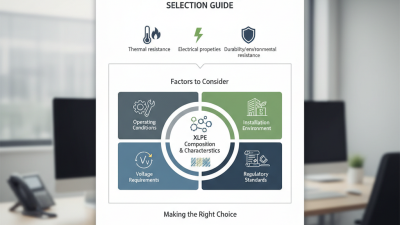
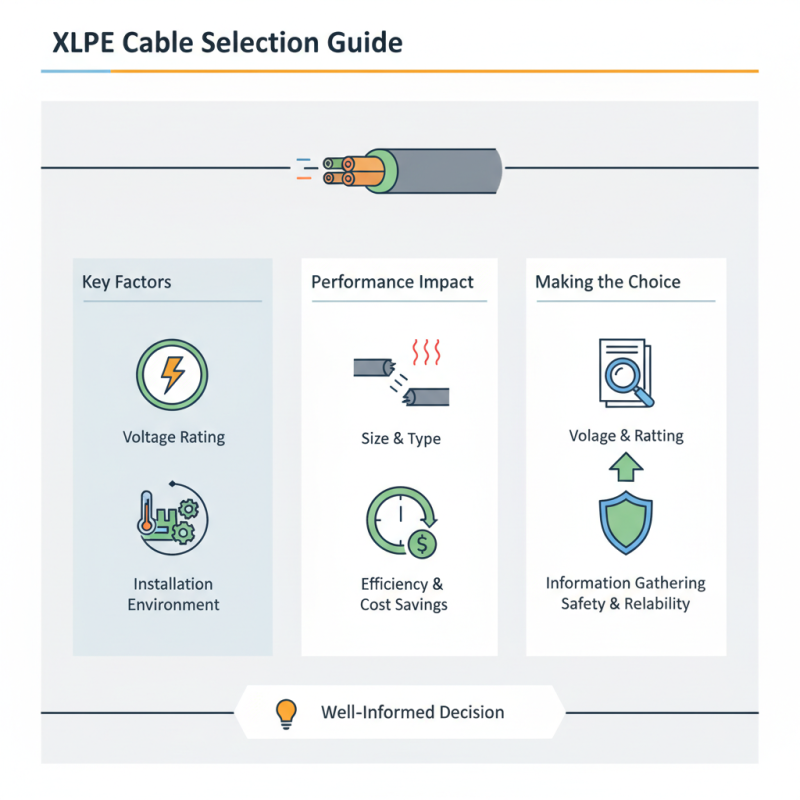
When selecting an XLPE cable, consider factors like voltage rating, temperature range, and installation environment. The cable's size and type directly impact its performance. Many users overlook these details, which can lead to issues down the road. For instance, using an undersized cable may cause overheating and potential failures.
Reflecting on past projects, some professionals regretted not prioritizing cable specifications. The right XLPE cable enhances safety and efficiency, influencing the entire system. It’s crucial to gather enough information before making a choice. A well-informed decision can save both time and money in the long run.
Understanding XLPE Cable and Its Applications
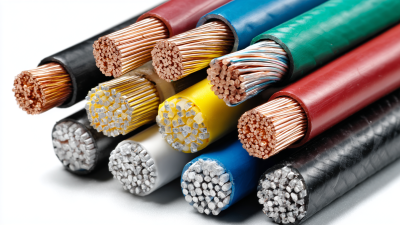
XLPE (Cross-Linked Polyethylene) cables are essential in various electrical applications. They are well-known for their excellent thermal properties and chemical resistance. These cables can operate at higher temperatures compared to standard polyethylene cables, making them ideal for industrial use. According to a market report by ResearchAndMarkets, the global demand for XLPE cables is projected to grow at a CAGR of 6.5% over the next five years.
XLPE cables are versatile. They are used in power generation, transmission, and distribution. Their ability to withstand harsh environmental conditions extends their lifespan significantly. For example, they are suitable for underground as well as overhead power lines. A study from the Institute of Electrical and Electronics Engineers highlights that proper installation is crucial. Poor installation can lead to performance issues and safety hazards.
Tips: When selecting an XLPE cable, consider the installation environment. Evaluate temperature ranges and exposure to chemicals. Review the cable specifications closely. Always seek professional advice if you're unsure about your requirements. Quality matters. Investing in the right cable can prevent future issues. Remember, not all XLPE cables are created equal.
Key Factors to Consider When Selecting XLPE Cable
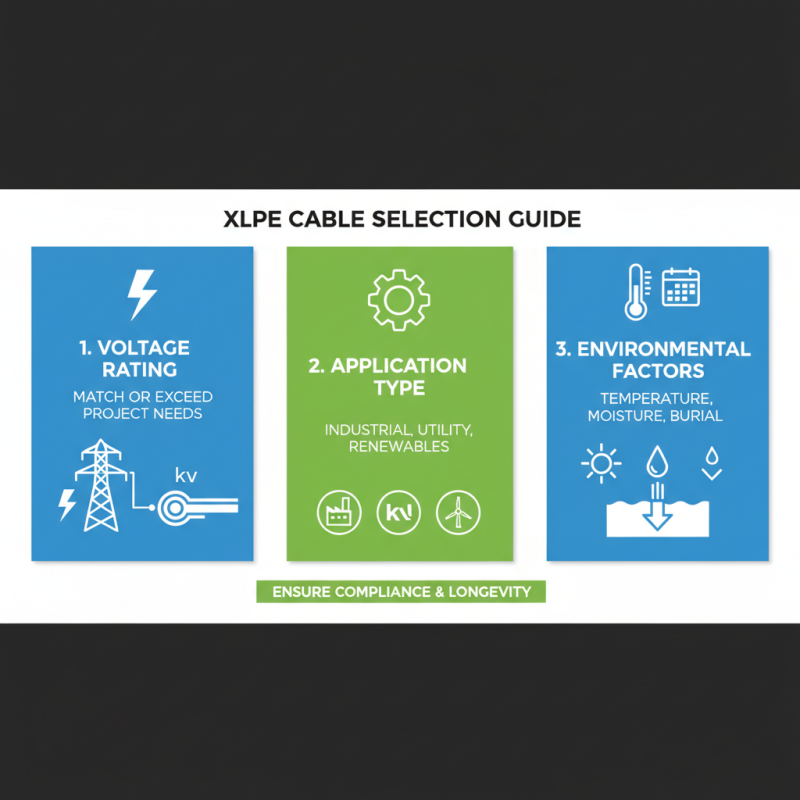
Choosing the right XLPE cable involves several key factors. Start by considering the cable's voltage rating. This rating should match or exceed your project's requirements. XLPE cables are available in various voltage ratings. Ensure you select one appropriate for your specific application.
Next, think about the environment where the cable will be installed. If the cable will be exposed to moisture or chemicals, look for an option with enhanced protective features. Some XLPE cables offer greater resistance to these elements than others. Installation conditions play a crucial role, and overlooking them can lead to future issues.
You should also evaluate the cable's current-carrying capacity. This capacity is affected by factors like conductor size and ambient temperature. If you underestimate the required capacity, it can lead to overheating. Don't just rely on general guidelines; consider your unique situation. Ultimately, the best choice reflects a careful analysis of your specific electrical needs.
Evaluating Voltage Ratings and Current Capacity
When choosing XLPE cables, voltage ratings and current capacity are critical. The voltage rating indicates the maximum voltage that a cable can safely handle. Industry standards, such as IEC 60502, specify common voltage ratings, including 0.6/1 kV and 1.2/1.4 kV. Selecting a voltage rating above your system's requirements is crucial; otherwise, cable failures may occur.
Current capacity, also known as ampacity, reflects how much current a cable can carry without overheating. According to the National Electrical Code (NEC), this capacity is affected by insulation type, temperature, and installation method. For XLPE cables, a typical current capacity ranges from 20 A for smaller diameters to over 300 A for larger sizes. It's essential to match cable size to the load—an undersized cable risks equipment damage or safety hazards.
However, even with proper ratings, factors like ambient temperature and installation environment can influence performance. For instance, if cables are buried in rocky soil, their heat dissipation decreases. This scenario can lead to cable failure. Evaluating these variables is often overlooked, yet they are vital in ensuring reliable operations. Directly apply calculations based on environmental conditions to enhance decision-making in cable selection.
How to Choose the Right XLPE Cable for Your Electrical Needs? - Evaluating Voltage Ratings and Current Capacity
| Cable Type |
Voltage Rating (kV) |
Current Capacity (A) |
Application |
Insulation Thickness (mm) |
| Single Core XLPE |
6 |
70 |
Medium Voltage Distribution |
3 |
| Three Core XLPE |
11 |
95 |
Substation Connections |
5 |
| Multi-Phase XLPE |
15 |
120 |
Industrial Equipment |
6 |
| Armored XLPE |
20 |
150 |
Outdoor Applications |
8 |
| Low Voltage XLPE |
0.6/1 |
50 |
Residential Wiring |
2.5 |
Assessing Environmental and Installation Conditions
When selecting XLPE cables, understanding the environment and installation conditions is crucial. Temperature, humidity, and chemical exposure can greatly affect cable performance. For instance, XLPE cables perform well in temperatures ranging from -40°C to +90°C. However, installation in high-humidity areas may require additional protective measures. According to industry reports, about 30% of cable failures are due to improper environmental conditions.
Soil type is another key factor. In rocky or acidic soils, cables may need extra insulation. A survey by the International Electrotechnical Commission found that around 25% of cable damage occurs during installation, often due to neglecting soil conditions. Operators must assess whether the ground is compact or loose. Loose soil can lead to cable movement, which may result in wear and tear.
Lastly, space limitations play a role. For underground installations, cramped spaces can cause bending issues. Cables need proper support to prevent mechanical stress. A document by the Institute of Electrical and Electronics Engineers emphasizes that tight bends can reduce operational life by up to 50%. Therefore, evaluating the specific installation site is essential for long-term performance. Balancing these factors will help in choosing the right XLPE cable effectively.
Comparing Different Suppliers and Products for XLPE Cable
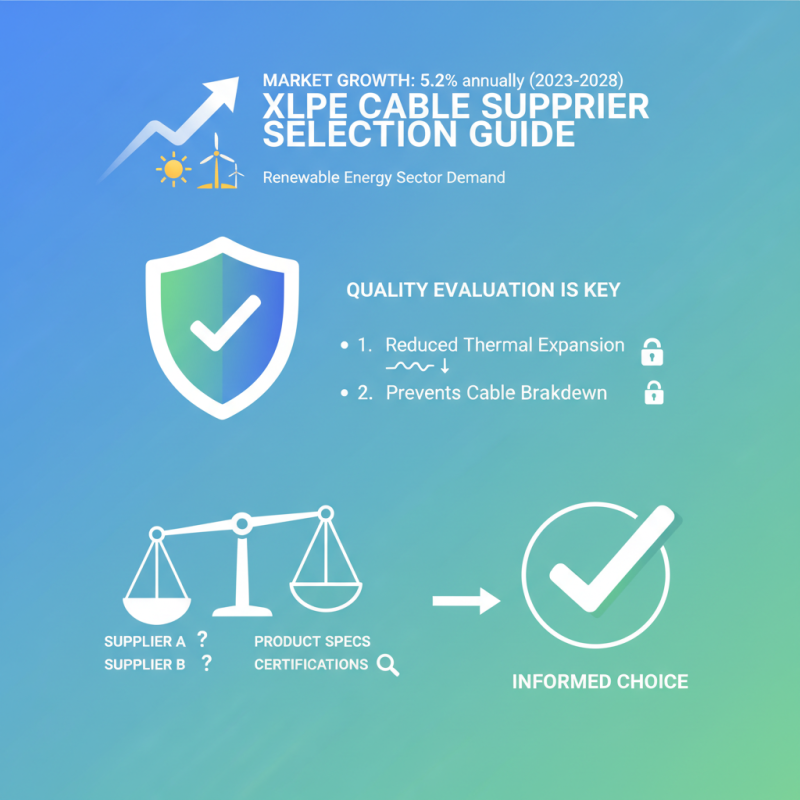
When selecting XLPE cables, comparing suppliers is crucial. The XLPE market is expected to grow at a rate of 5.2% annually from 2023 to 2028. This is driven by increasing demand in renewable energy sectors. Evaluating suppliers' product quality is essential. Some manufacturers offer XLPE cables with reduced thermal expansion, which can prevent cable breakdown.
It's important to consult technical reports and product specifications when making comparisons. For example, data shows that some XLPE cables can withstand temperatures up to 90°C. However, not all suppliers guarantee this performance. Some cables may have weaker insulation against moisture, leading to premature failure. Checking certification is vital, as only 65% of cables in the market meet rigorous safety standards.
Moreover, pricing can vary significantly. A 2022 market analysis reported that 40% of buyers prioritize price over quality. This is concerning, as cheap alternatives may compromise safety. Choosing based on suppliers' reputation might seem ideal, but popular brands can sometimes fall short in innovation. Balancing cost, quality, and supplier reliability is a complex challenge. Consider all factors before deciding.