Choosing the right XLPE cable is vital for any electrical project. As industry expert John Smith notes, “XLPE cables offer excellent performance and safety.” This quote highlights the significance of understanding various factors in selecting the best option.
XLPE cables are known for their durability and heat resistance. They are commonly used in both industrial and residential applications. However, not all XLPE cables are created equal. Factors like temperature rating and installation environment need close consideration.
Moreover, even experienced professionals can make mistakes when choosing XLPE cables. Some may overlook key specifications that affect performance. An informed choice maximizes both safety and efficiency in electrical installations, making careful selection crucial.
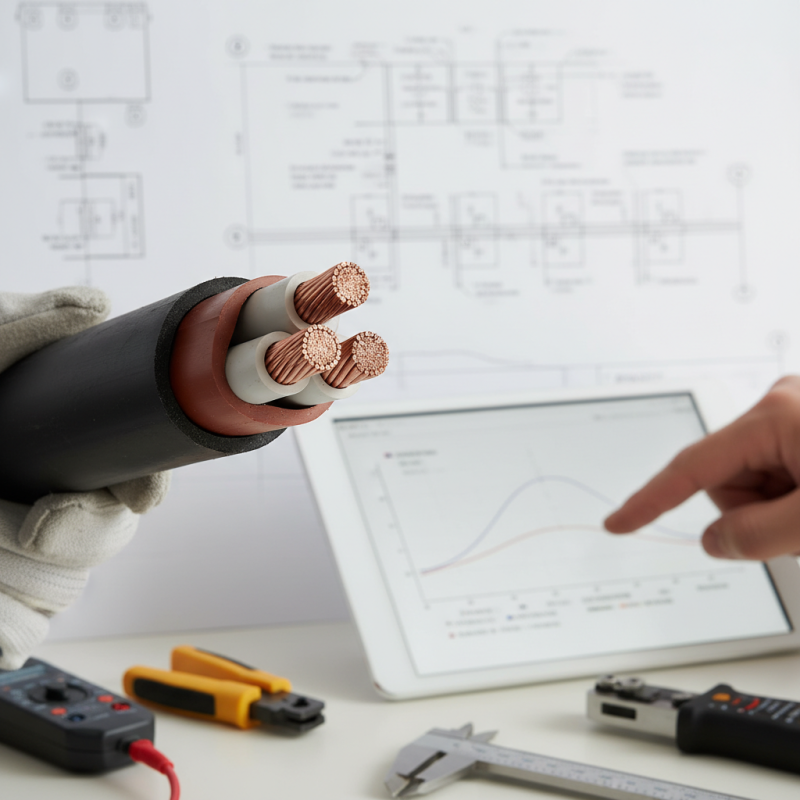
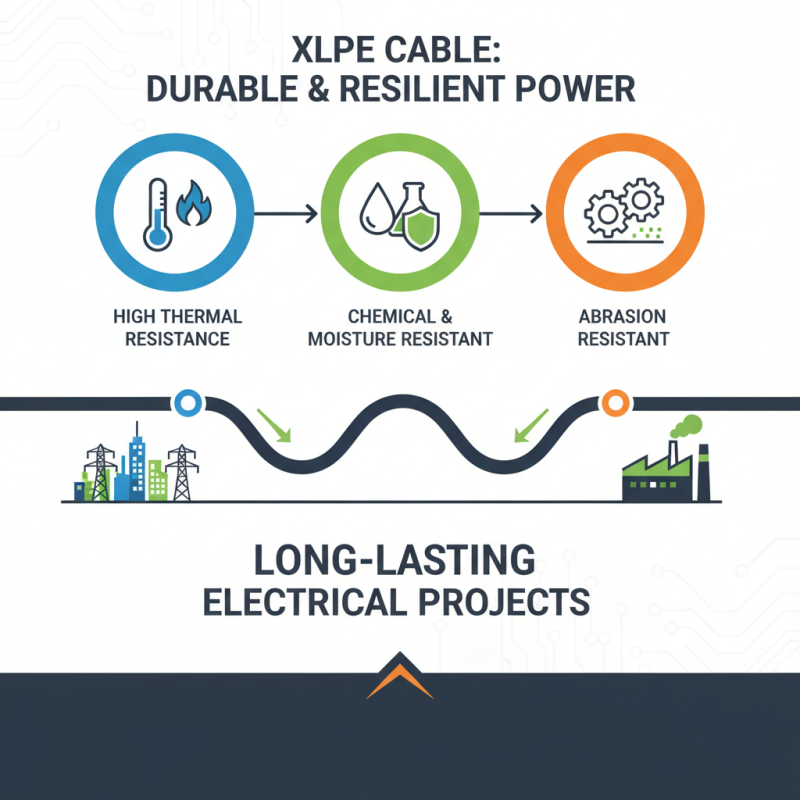
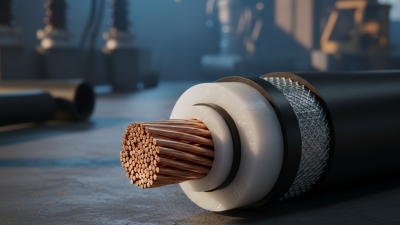
XLPE cable, or cross-linked polyethylene cable, is widely used in electrical projects due to its unique properties. It offers excellent thermal resistance, making it suitable for high-temperature environments. This type of cable can withstand a wide range of temperatures, ensuring it performs well in various conditions. Additionally, the insulation is resistant to chemicals, moisture, and abrasion. This durability makes XLPE cables a preferred choice for long-lasting installations.
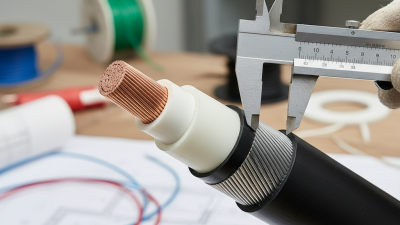
When selecting XLPE cables, consider their size and voltage rating. The right size is crucial for efficient power transmission. If the cable is too small, it can overheat and pose hazards. Conversely, an oversized cable might be unnecessarily expensive. Understanding these aspects can prevent costly mistakes. While XLPE cables have many advantages, they do have limitations. Installation can be tricky and requires skilled professionals. In addition, improper handling can damage the insulation, leading to premature failure. It's vital to weigh these factors carefully before making a decision.
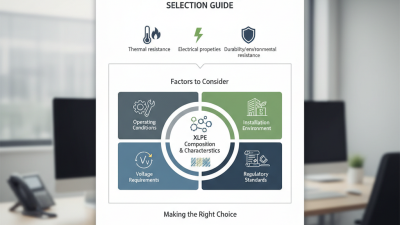
Choosing the right XLPE cable starts with understanding your project's specific electrical requirements. Different applications require different specifications. For example, a report by the International Electrotechnical Commission noted that medium voltage cables must withstand higher operating temperatures and electrical stresses. This means choosing XLPE insulation, which offers excellent thermal stability and resistance to chemicals.
Evaluate the load capacity of your project. If you are dealing with renewable energy systems, the demand can fluctuate significantly. The NEMA described that cable sizing must account for both continuous and peak load demands. Errors in this area lead to overheating or voltage drops. Using too thin a cable can cause inefficient energy transfer.
Consider environmental factors too. XLPE cables are suitable for underground installations, but conditions vary. Moist environments, for instance, may require additional waterproofing measures. A recent study indicated that cable failures often occur due to moisture ingress, which compromises insulation properties. It's crucial to analyze your project's specific conditions properly. Ensure that your XLPE choice aligns with those assessments.
| Dimension | Description | Importance Level | Recommended Values |
|---|---|---|---|
| Voltage Rating | Maximum voltage the cable can handle safely. | High | Up to 1kV or above, depending on the application. |
| Current Rating | The amount of load the cable can carry. | High | Varies by cable size; refer to tables for specifics. |
| Conductor Size | Cross-sectional area of the cable conductor. | Medium | Typically ranges from 1.5 mm² to 500 mm². |
| Environmental Conditions | Factors like temperature, humidity, and exposure to chemicals. | High | Consider insulation rated for specific environments. |
| Length of Run | Total length of the cable run from source to load. | Medium | Minimize excess length to reduce voltage drop. |
| Standards Compliance | Compliance with local and international electrical standards. | High | Ensure compliance with IEC, NEC, or local regulations. |
When selecting XLPE cables, consider their types and applications.
XLPE, or cross-linked polyethylene, offers excellent thermal and electrical properties.
Different types are suited for specific projects. For example, some cables are ideal for underground applications. Others work better in overhead installations.
Understanding these distinctions is crucial.
Tips: Always check the insulation rating. Make sure it meets safety standards for your electrical project.
Consult with professionals if uncertain.
Connections are vital in XLPE cable use. Choose connectors that align with the cable type. This can prevent failures.
Also, consider the cable's flexibility. Some projects may need more rigid cables, while others require flexibility for tight spaces.
Tips: Think about the environment. Will the cable be exposed to extreme temperatures or moisture?
Choose accordingly. Review feedback from similar projects. This can provide insights into how well a particular cable type performs.
Your choices in XLPE cables can greatly affect the project outcome.
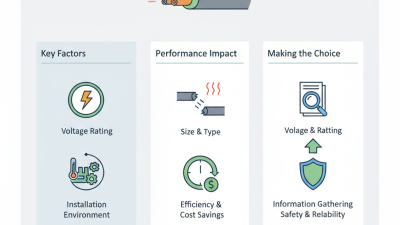
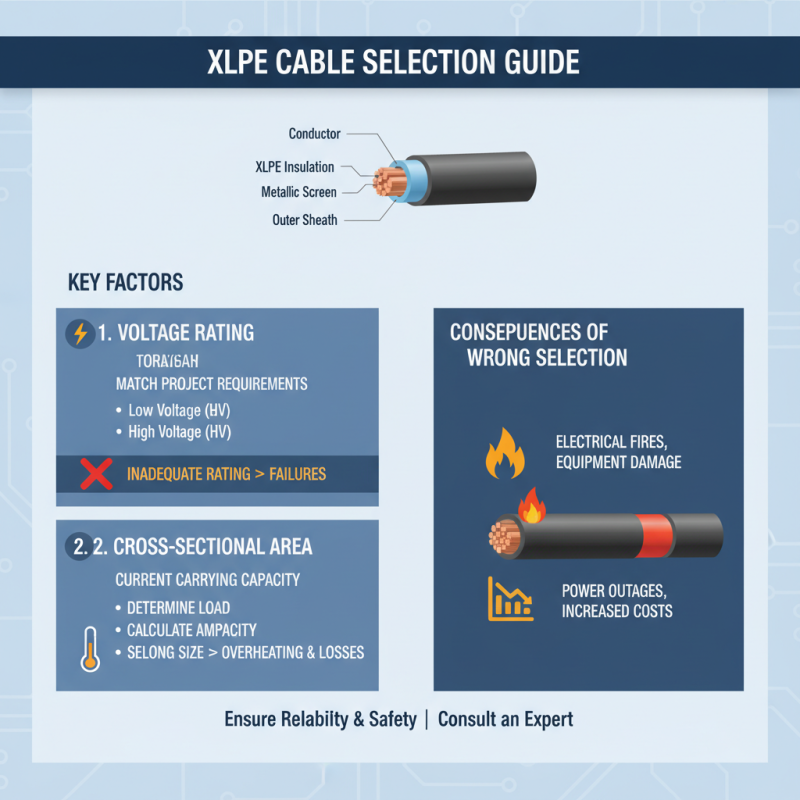
When selecting XLPE cable for electrical projects, several factors demand careful consideration. First, voltage rating plays a crucial role. It is essential to match the cable’s voltage rating with the project requirements. Using an inadequate rating can lead to failures. Then, the cable's cross-sectional area is vital for current carrying capacity. Choosing the wrong size might result in overheating and electrical losses, which can cause serious issues.
The installation environment should also guide your decision. XLPE cables can withstand harsh conditions, but the surrounding temperature and exposure to chemicals might affect performance. For underground projects, ensure the cable is suitable for burial. Additionally, think about the cable length. Longer cables can lead to voltage drops, affecting efficiency. Regularly review and verify the specifications before making a purchase. It is easy to overlook minor details, yet they can impact the overall success of the installation.
Installing XLPE cables requires attention to detail. Proper installation is crucial for performance and longevity. Ensure that all cables are handled carefully to avoid any damage during the installation process. According to industry reports, improper installation can reduce a cable's lifespan by 30%. This emphasizes the need for skilled installation teams.
Tips: Always check the insulation before installation. Look for any visible damage or wear. It can save you from future failures.
Maintenance of XLPE cables is essential. Regular inspection can help identify potential issues early on. According to recent studies, nearly 40% of cable failures stem from poor maintenance. Regularly clean the cable surfaces and check for signs of wear. This proactive approach can prevent costly downtime.
Tips: Use thermal imaging to spot hot spots in cables. This can detect problems before they escalate. Simple actions can avoid complex issues later.