How to Choose the Right Xlpe Insulated Power Cable for Your Project?
Choosing the right Xlpe Insulated Power Cable is crucial for any project. These cables offer excellent insulation and electrical properties. They protect against corrosion and environmental factors. However, not all cables are identical. Understanding your project’s specific requirements is essential.
When selecting an Xlpe Insulated Power Cable, consider factors such as voltage rating, temperature range, and installation environment. Think about the cable's flexibility when navigating tight spaces. Too often, projects overlook these details, leading to issues later.
Make sure to evaluate the manufacturer's reputation as well. Some brands are known for durability, while others may have a history of failures. Reflecting on past experiences can help avoid costly mistakes. Make informed decisions. Your project's success depends on it.
Understanding XLPE Insulation: Properties and Benefits for Power Cables
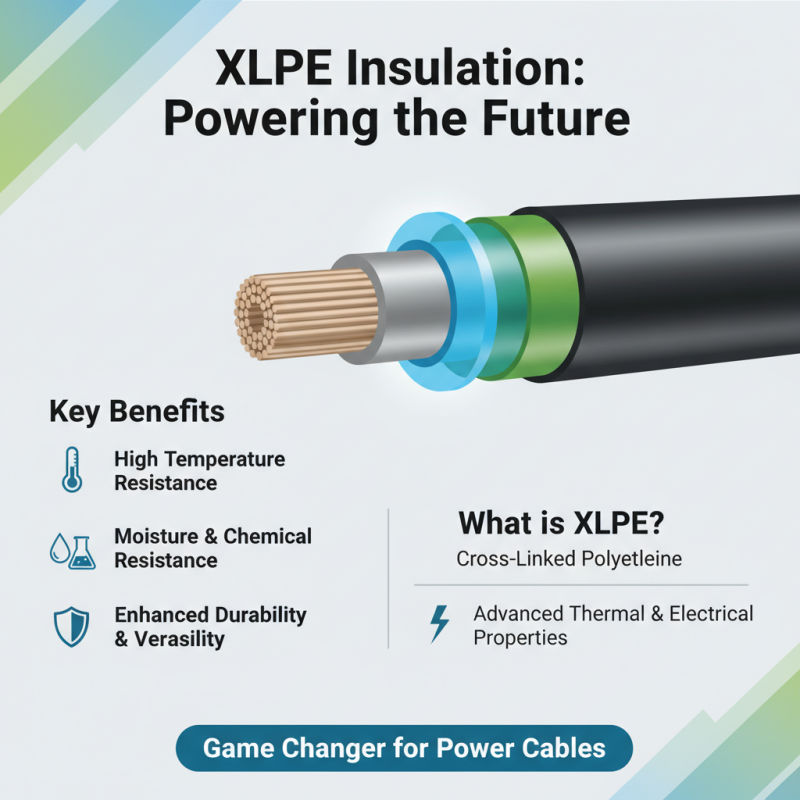
XLPE insulation is a game changer for power cables. It stands for cross-linked polyethylene. This material is known for its excellent thermal and electrical properties. XLPE can withstand high temperatures. It offers great resistance to moisture and chemicals, too. These features enhance the durability of power cables, making them suitable for various environments.
One must consider the specific application when selecting XLPE insulated cables. For underground installations, XLPE is preferred due to its robustness. However, not all XLPE cables are equal. Some might have lower resistance, which can lead to failures over time. This is an area that requires careful evaluation.
Pay attention to cable ratings and certifications. Misunderstanding these specifications can lead to poor choices. Sometimes, users overlook the impact of climate on cable performance. Extreme temperatures can affect insulation quality. It’s crucial to reflect on these factors to ensure optimal power supply and safety.
Key Factors to Consider When Selecting XLPE Insulated Power Cables
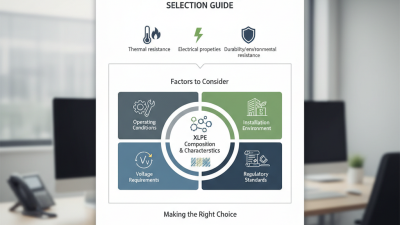
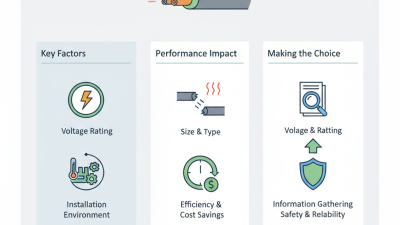
When selecting XLPE insulated power cables, several key factors play a crucial role. The voltage rating is vital. Ensure the cable can handle the voltage of your project. Think about the environmental conditions too. Is it buried underground or exposed to sunlight? Different situations require different protective measures.
Tips: Always check the temperature rating. XLPE cables should withstand high temperatures, especially in industrial settings. Also, consider the cable size. A larger diameter can handle more current but can be costlier.
Another important factor is insulation thickness. This determines the cable's durability and reliability. Thicker insulation often provides better protection against external elements. Don't overlook the importance of proper installation methods. Poor installation can compromise the cable's performance.
Tips: Conduct a visual inspection of the cable before installation. Are there any visible defects? Catching issues early saves time and money later. Overall, careful consideration of these factors leads to better project outcomes. Understanding these details can simplify your decision-making process.
How to Choose the Right XLPE Insulated Power Cable for Your Project?
| Factor |
Description |
Recommendation |
| Voltage Rating |
Determine the maximum voltage that the cable will be subjected to. |
Choose XLPE cables with a voltage rating that exceeds your project's requirements. |
| Current Rating |
Specify the amount of current the cable is expected to carry. |
Select cables that can handle higher current than the anticipated load. |
| Cable Size |
Consider the physical size and cross-sectional area of the cable. |
Use appropriate sizing charts to determine the right cross-section for your load. |
| Environmental Conditions |
Assess any environmental factors such as temperature, moisture, or exposure to chemicals. |
Opt for cables with additional protective features based on environmental conditions. |
| Installation Method |
Determine how the cable will be installed (e.g., overhead, underground, conduits). |
Choose installation-friendly cables that meet safety standards for the method used. |
| Compliance Standards |
Understand the relevant standards and regulations that apply to your project. |
Ensure the cables conform to the necessary local and international standards. |
Industry Standards and Regulations for XLPE Cable Selection
When selecting XLPE insulated power cables, compliance with industry standards is crucial. Standards like IEC 60502 or BS 7889 guide specifications. These documents outline essential factors, including voltage ratings and temperature limits. Ignoring them could lead to safety risks or project delays.
Regulations often highlight the importance of proper cable insulation for protecting against electrical faults. XLPE insulation is known for its excellent thermal and electrical properties. However, not all applications will benefit equally. Engaging in thorough research is vital. Local regulations may also vary, adding another layer of complexity.
Consider installation environments. Factors like soil conditions, moisture levels, and temperature ranges can affect cable performance. Choosing cables without accounting for these conditions may lead to premature failure. Understanding client specifications and industry norms is not just beneficial; it's essential for successful project completion. Balancing these requirements can often be daunting but is absolutely necessary. Making informed choices will improve not just performance, but safety as well.
Calculating Electrical Load Requirements for Your XLPE Power Cable
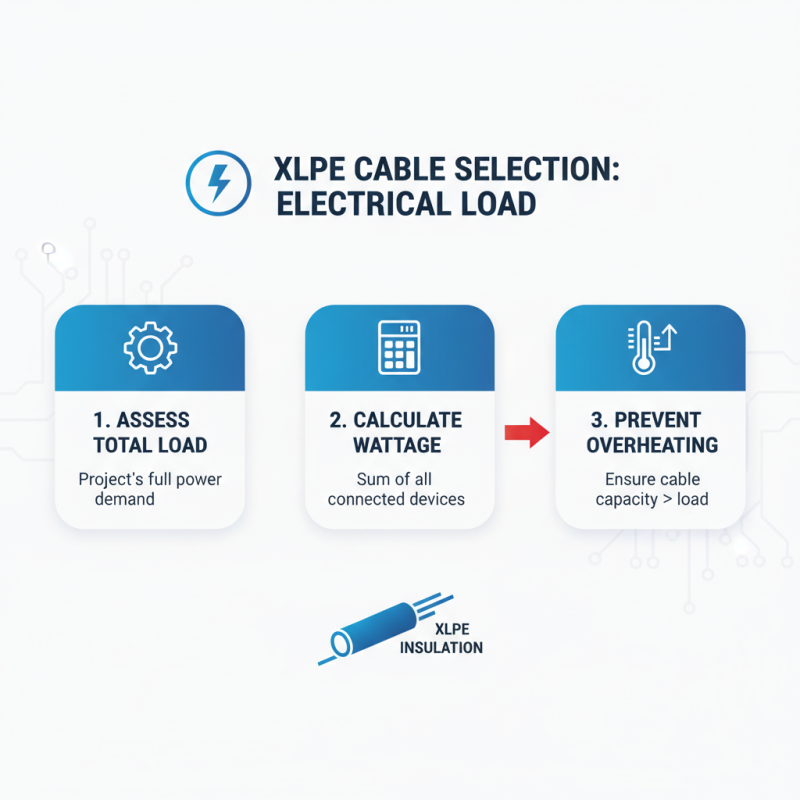
When selecting XLPE insulated power cables, understanding electrical load requirements is crucial. Start by assessing the total load that your project will demand. Calculate the wattage of all connected devices. This step helps ensure that the cable can handle the load without overheating.
Each device contributes to the total load. For example, if you have ten lights and each consumes 10 watts, that’s 100 watts needed. Consider additional factors, like future expansion. Sometimes we underestimate future needs, which may lead to overloading.
It's essential to factor in voltage drop. A cable should minimize this drop to ensure efficient operation. Gauge the cable size based on the load calculations and distance from the power source. It's common to choose cables that are too small, causing performance issues. Always double-check these calculations to avoid future problems. Balancing these details ensures a safe and reliable installation.
Comparative Analysis: XLPE vs Other Cable Insulation Types
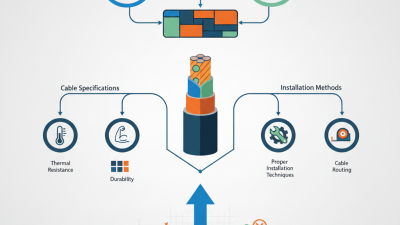
When comparing XLPE (cross-linked polyethylene) insulated power cables with other insulation types, several factors emerge. XLPE offers a higher thermal resistance and better electrical properties than PVC or rubber. This makes it suitable for high-voltage applications. It can endure extreme temperatures and environmental stresses, adding durability to your project.
However, it is important to consider the installation environment. XLPE cables might be rigid. In some situations, flexibility is necessary. For instance, in tight spaces or when routing through bends, more flexible options could perform better. PVC offers this flexibility but might not withstand extreme conditions as well.
Moreover, while XLPE is excellent for certain applications, it can be more complex to install. This could lead to increased labor costs. Weighing these aspects is essential. Understanding your project's specific needs will help guide your choice. Ultimately, the right decision should combine technical performance, environmental considerations, and installation practicality.
Comparative Analysis of Cable Insulation Types
This chart illustrates the insulation resistance values for various types of cable insulation. XLPE (Cross-Linked Polyethylene) offers the highest insulation resistance compared to other types such as PVC (Polyvinyl Chloride), PE (Polyethylene), Rubber, and EPR (Ethylene Propylene Rubber), making it a preferred choice for many power cable applications.