What is Direct Burial Copper Wire and Its Benefits?
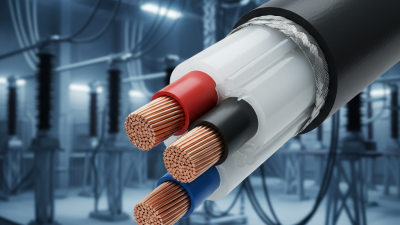
Direct Burial Copper Wire is a specialized type of electrical wiring. It is designed for underground applications. Many people use it for various electrical projects. This wire can be buried directly in the ground. It eliminates the need for additional conduit. This feature makes it both economical and practical for outdoor installations.
One of the key benefits of Direct Burial Copper Wire is its durability. It can withstand harsh environmental conditions. This wire is resistant to moisture and extreme temperatures. However, users must ensure proper installation. Without careful handling, the wire can degrade over time.
Cost-effectiveness is another advantage. While it may seem expensive initially, the long-term benefits are significant. It reduces the need for extra materials. Yet, some may overlook its importance. Understanding these details is vital for making informed choices. Overall, Direct Burial Copper Wire offers unique benefits for those willing to explore its full potential.
What is Direct Burial Copper Wire?
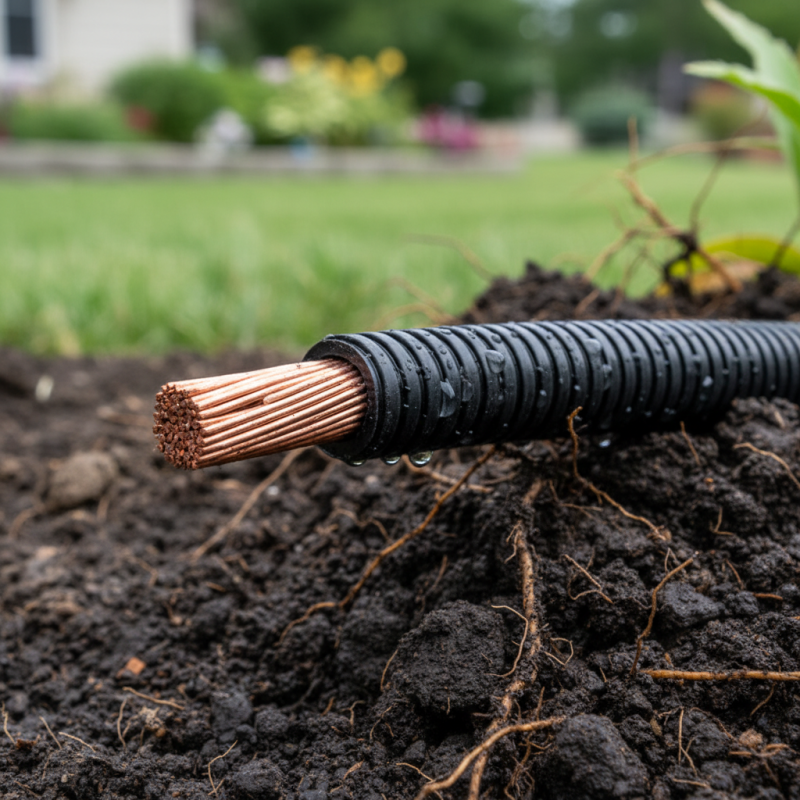
Direct burial copper wire is specifically designed for underground installations. It is made with a layer of insulation that can withstand soil conditions. This wire type is often used for connecting outdoor electrical systems. It is durable and can endure harsh weather.
The main advantage of direct burial copper wire is its resistance to corrosion and moisture. This makes it ideal for underground use. The wire can last many years without the need for replacement. However, careful installation is required to ensure optimal performance.
**Tips:** Always check local codes before installation. Proper depth is crucial for safety. Use caution when digging to avoid damage. Remember that choosing appropriate size is essential too. Overloading the wire can lead to failures.
What is Direct Burial Copper Wire and Its Benefits?
| Feature |
Description |
Benefits |
| Material |
Made of high-conductivity copper |
Excellent conductivity for electrical applications |
| Insulation |
Moisture-resistant jacket |
Prevents corrosion and ensures longevity |
| Installation |
Can be buried directly in the ground |
Eliminates the need for conduit |
| Temperature Range |
Designed for a wide temperature range |
Reliable performance in various climates |
| Applications |
Used for underground electrical connections |
Ideal for outdoor lighting and power supply |
Key Properties of Direct Burial Copper Wire
Direct burial copper wire is designed for underground installations. This type of wire is durable and resistant to moisture. It can withstand tough environmental conditions. Users appreciate its longevity and reliability for electrical systems.
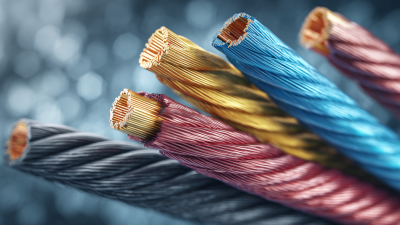
Key properties of direct burial copper wire include its thicker insulation. This helps to prevent corrosion when buried. The wire is also non-metallic and can resist soil acidity. This feature enhances its performance in various ground conditions.
Additionally, it has high conductivity which reduces energy loss over long distances.
Tips: Ensure the wire is rated for direct burial before installation. Always check local codes and regulations for underground wiring. Choosing the right gauge is crucial. It affects both performance and safety. Remember, not all copper wires are the same.
Sturdier insulation can make installation easier. But, make sure you handle it with care. Improper handling may cause damage. A little moisture can lead to bigger issues. Therefore, understanding these properties is vital for a successful project.
Benefits of Using Direct Burial Copper Wire
Direct burial copper wire offers several
advantages for outdoor electrical installations. Its design allows for direct installation
in the ground, eliminating the need for additional conduits. This feature can save time and labor costs
during installation. The copper material ensures excellent conductivity,
making it ideal for powering outdoor lighting and irrigation systems.
One significant benefit is its durability. When properly installed,
this type of wire can withstand environmental factors like moisture and temperature changes. It can last for many
years with minimal degradation. However, care must be taken during installation.
If buried incorrectly, the wire may become damaged by soil movement or
moisture infiltration.
Additionally, direct burial copper wire is highly resistant to corrosion.
This means it can function effectively even in harsh conditions. Yet, users must be cautious about depth during burial.
The wire needs to be deep enough to protect against physical damage while remaining accessible for future maintenance.
Improper planning can lead to complications down the road. Thus, thorough preparation
and awareness of site conditions are critical.
Applications of Direct Burial Copper Wire
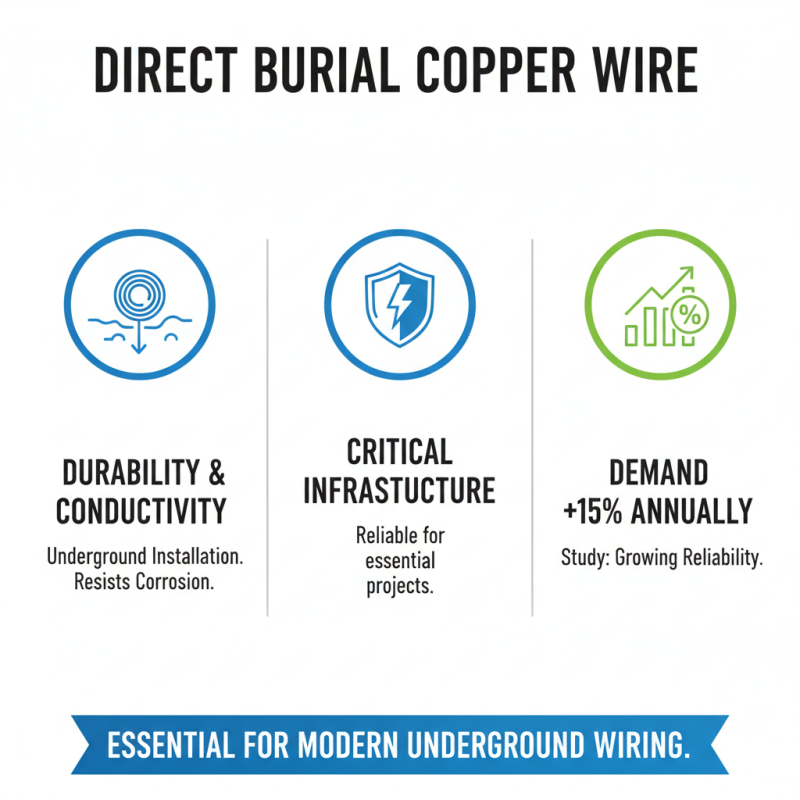
Direct burial copper wire plays a vital role in various applications, thanks to its durability and conductivity. This type of wire is designed specifically for underground installation. It resists corrosion and is able to withstand harsh environmental conditions. According to a recent study, the demand for direct burial copper wire has increased by 15% annually due to its reliability in critical infrastructure projects.
In residential contexts, direct burial copper wire is commonly used for electrical connections. Contractors often prefer it for outdoor lighting and landscape projects. The National Electrical Code (NEC) recognizes direct burial wires for their safety features, making them suitable for utilities to connect power supplies. In commercial settings, direct burial wires support telecommunications networks. These wires help maintain signal integrity, which is essential in today's digitally connected world.
However, installation challenges remain a concern. Proper depth and trenching methods must be followed to avoid damage. If not, the wires may suffer from moisture infiltration, reducing their lifespan. Despite these obstacles, the overall reliability and performance of direct burial copper wire make it a preferred choice in many sectors. Understanding these factors is crucial for anyone considering using this type of wire in their projects.
Installation Considerations for Direct Burial Copper Wire
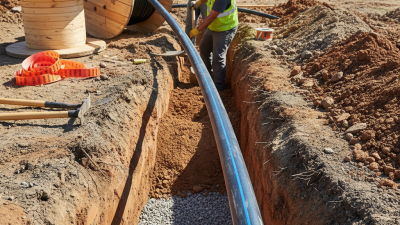
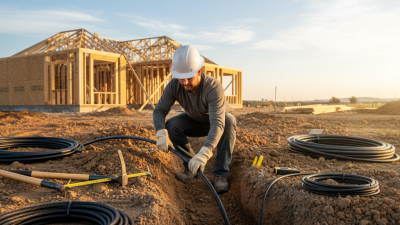
When considering direct burial copper wire, installation is key. This type of wire is designed for underground use, which means correct placement is crucial. Begin by choosing the right depth. The wire should be buried at least 24 inches deep in most regions. This protects it from accidental damage and environmental factors.
Soil type can affect your installation efforts. Rocky soil may require extra tools to dig deep enough. Ensure the trench is free of sharp objects to avoid wire damage. It's also important to leave some slack in the wire. This allows for potential shifts in the ground without causing strain.
Consider local regulations before you start digging. Some areas have specific codes for burial depth and wire type. If unsure, checking with local authorities can save you headaches later. Lastly, installing direct burial copper wire requires careful thought and attention to detail. Mistakes in placement or conditions can lead to unnecessary repairs. Reflect on your process, and prepare for unexpected challenges.