Why Lift Cable Systems Are Essential for Modern Elevators?
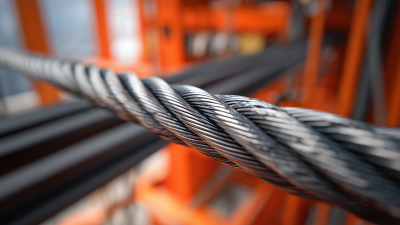
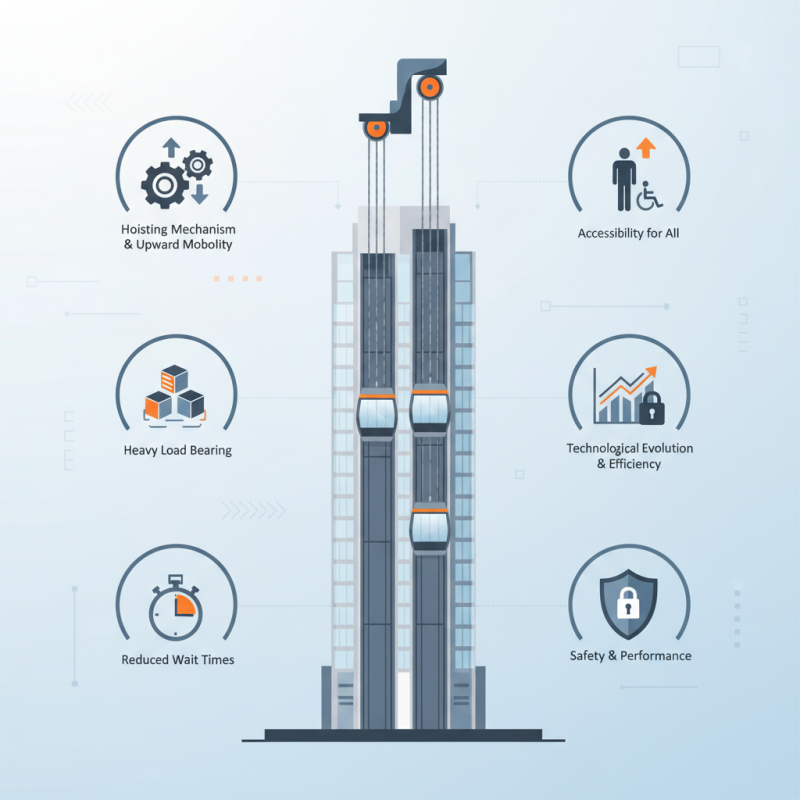
In the landscape of modern architecture, lift cable systems play a pivotal role in elevating accessibility. Lift cables connect the elevator car to the hoisting mechanism. They are designed to bear heavy loads and ensure smooth operation. Every day, thousands rely on elevators. These systems are crucial in skyscrapers and multi-story buildings.
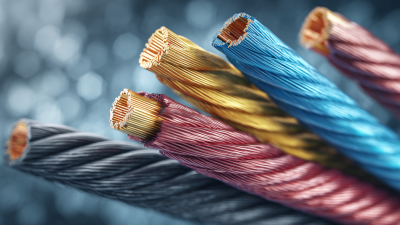
Lift cable technology has evolved significantly. Innovations have improved safety and performance. For instance, high-strength steel cables provide durability and efficiency. However, regular maintenance is often overlooked. This can lead to unexpected failures or safety hazards.
The importance of lift cables extends beyond function. They enhance user experiences by reducing wait times. A well-functioning lift system improves flow within buildings. Yet, not all lift cable systems live up to modern demands. As buildings grow taller, so must our lift technology. Therefore, investing in advanced lift cable systems is essential for future development.
The Role of Lift Cable Systems in Elevator Mechanics
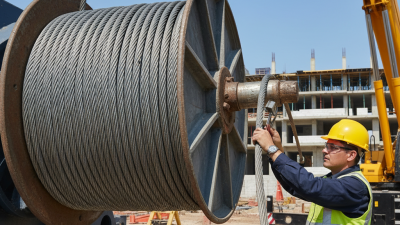
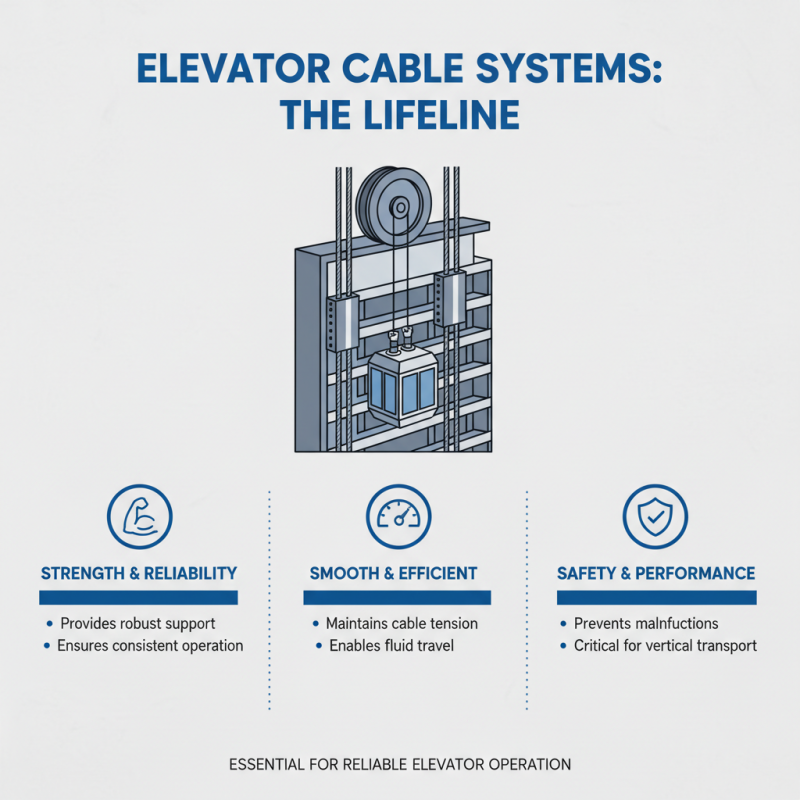
Lift cable systems play a crucial role in the mechanics of modern elevators. These sturdy cables support the elevator’s weight and allow it to ascend or descend. The tension in these cables ensures smooth operation. A well-functioning cable system can prevent accidents and malfunctions. Without it, elevators would struggle to function efficiently.
Tips: Regularly inspect your lift cable systems. Look for signs of wear and tear. Replace cables that show fraying or rust.
Understanding the significance of these cable systems is essential for safety. They distribute the elevator's load evenly. This balance helps maintain stability during movement. However, cables can sometimes falter under extreme conditions. It’s vital to monitor their condition regularly.
Tips: Consider implementing a routine maintenance schedule. This practice helps identify problems before they escalate. Small issues can lead to significant risks if ignored.
Why Lift Cable Systems Are Essential for Modern Elevators? - The Role of Lift Cable Systems in Elevator Mechanics
| Feature |
Description |
Importance |
| Tension |
Cables create tension to support the elevator's weight. |
Ensures smooth and efficient operation. |
| Safety |
Redundant systems prevent free fall in case of failure. |
Significantly increases user safety. |
| Durability |
Designed to withstand severe wear and stress. |
Long service life reduces maintenance costs. |
| Load Capacity |
Cables are engineered for specific load requirements. |
Critical for the elevator's operational efficiency. |
| Design Flexibility |
Supports various elevator designs and architectures. |
Allows customization for specific building needs. |
Types of Lift Cable Systems Used in Modern Elevators
Lift cable systems play a crucial role in modern elevators. They provide the necessary mechanism for smooth vertical transportation. There are several types of cable systems used today. The most common ones include traction cables and hydraulic cables. Each type has its advantages and specific applications.
Traction cables are vital for high-rise buildings. They are lightweight yet strong, allowing for longer travel distances. According to industry reports, these cables can support loads of up to 2500 kg. Hydraulic cables, on the other hand, are used for shorter distances. They work on a pump system, which can limit speed but offers stability.
There's room for improvement in cable technology. Some systems experience wear and tear, leading to safety concerns. Research indicates that regular inspections can reduce potential failures. The durability of materials can be a key focus for engineers. While current systems are efficient, the quest for innovation continues.
Lift Cable Systems Used in Modern Elevators
Benefits of Cable Systems in Elevator Performance and Safety
Cable systems play a critical role in elevator performance and safety. They provide the strength and reliability needed for vertical transport. The tension in these cables ensures smooth movement, allowing elevators to operate efficiently. Without them, the risk of malfunction increases significantly.
Safety is paramount, and cable systems enhance it in several ways. They can support heavy loads, reducing wear on the elevator components. Regular inspections of these cables can prevent failures. Yet, if maintenance is neglected, cables can fray or weaken over time. This makes it crucial to check them frequently.
Implementation of modern cable technology can improve performance. Advanced materials can lighten the load while maintaining strength. However, many systems still rely on older cables, possibly affecting overall safety. Continuous improvement in cable technology is necessary for better elevator systems.
Advancements in Cable Technology for Enhanced Lift Operations
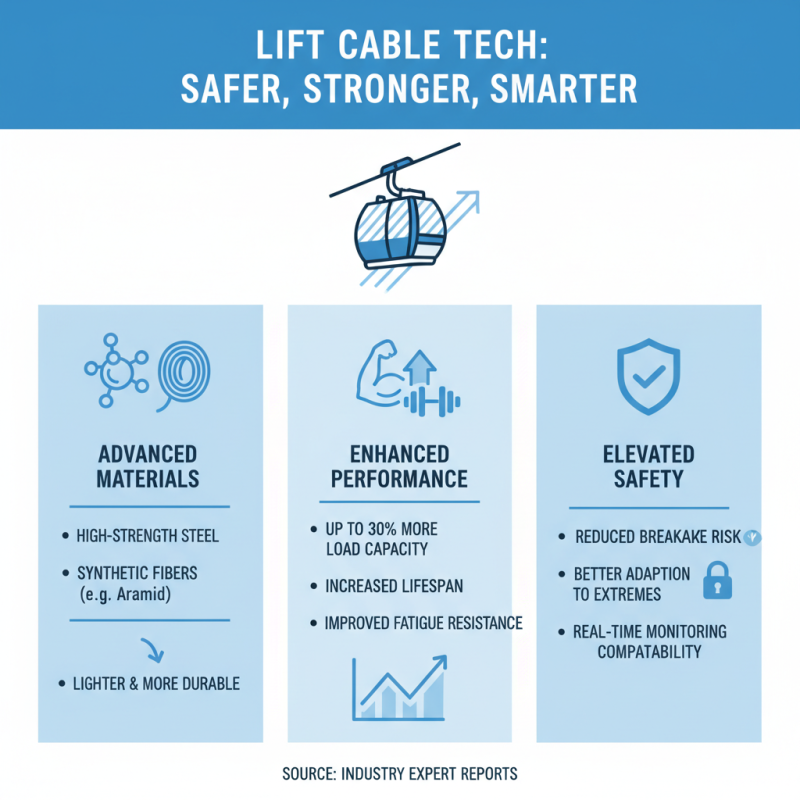
Cable technology has seen significant advancements in recent years, enhancing the performance and safety of lift operations. The integration of stronger materials, like high-strength steel and synthetic fibers, has led to cables that are lighter yet more durable. Reports from industry experts suggest that modern cables can support weights up to 30% more than traditional options, providing a safer experience for users.
However, there are challenges. While new cable systems promise better efficiency, installation can be complex. The initial costs may deter some builders. Furthermore, maintenance of advanced cable systems requires specialized knowledge. Even with innovations, regular checks are essential to prevent wear and ensure longevity.
Additionally, some users remain unaware of the benefits. A lack of information can result in older systems being used longer than necessary. Upgrading to modern cables can reduce energy consumption by up to 20%, yet many buildings still use outdated technology. As technology progresses, it is crucial for stakeholders to stay informed and consider these essential developments in lift cable systems.
Maintenance Considerations for Cable Systems in Elevators
Cable systems are critical for the operation of elevators. Regular maintenance is essential to ensure their reliability. Inspections should occur at least every six months. Wear and tear on cables can lead to unexpected failures. Frayed cables are a danger. They can snap, causing accidents. Identifying these issues early can save lives.
Lubrication is another important aspect. Cables must be lubricated to reduce friction. This enhances their lifespan and efficiency. However, the type of lubricant used matters. Not all lubricants are suitable. Improper choices can lead to grime buildup, which affects performance. Technicians need to perform thorough evaluations during maintenance.
Monitoring the environment is also vital. Humidity and temperature can affect cable integrity. Cables in damp areas may rust or degrade faster. Regular checks in these environments can prevent issues. Elevators require attention. Neglecting these details can lead to costly repairs or downtime. It’s an ongoing responsibility. Every detail matters in maintaining a safe elevation system.