Top 10 Essential Tips for Choosing Xlpe Insulated Power Cable?
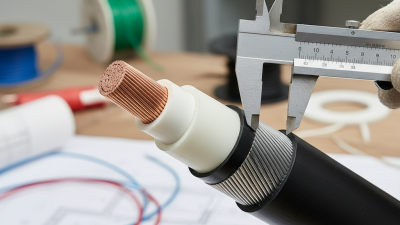
Choosing the right XLPE insulated power cable can significantly impact project efficiency and safety. Renowned expert John Smith, a leading figure in electrical engineering, emphasizes, “The choice of cable directly affects system reliability.” With increasing demands for energy and performance, understanding the nuances of XLPE cables is essential.
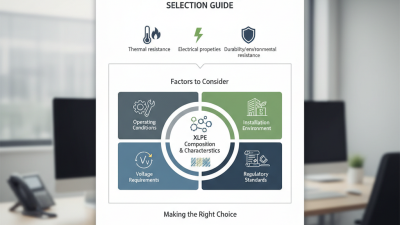
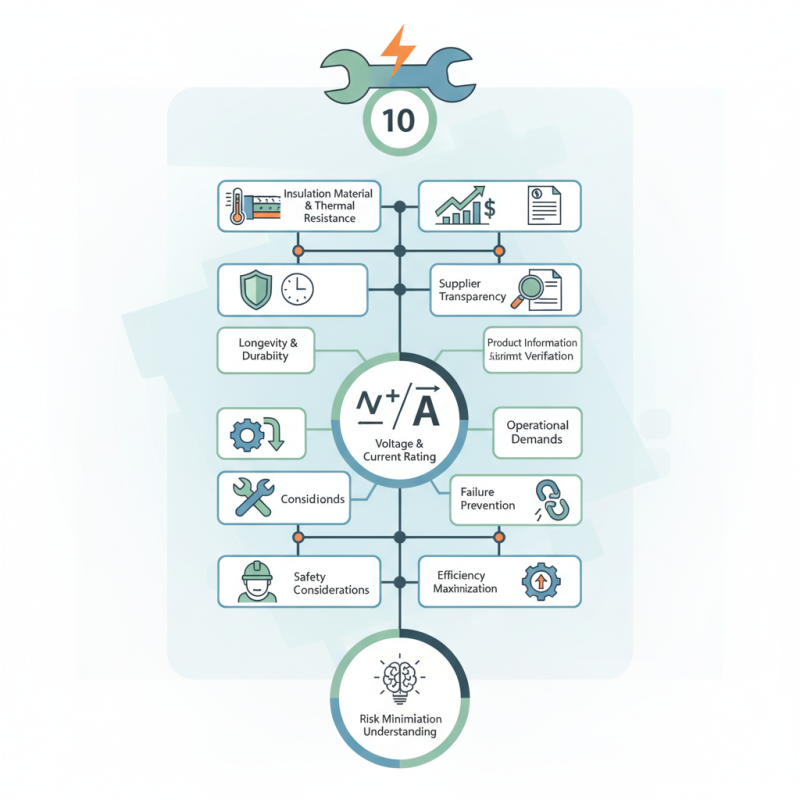
When selecting XLPE insulated power cables, many factors must be considered. The insulation material, for example, plays a crucial role in thermal resistance and longevity. Unfortunately, not all suppliers provide transparent information on their products. This can lead to poor decisions that may affect project outcomes.
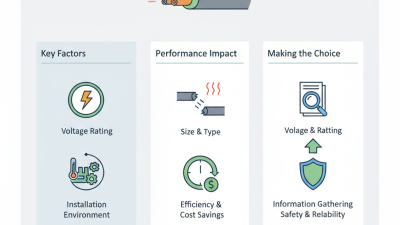
It is also essential to evaluate the cable’s rating for voltage and current. This specification ensures that the cable meets operational demands. A miscalculation here may cause failures, causing financial and safety concerns. Remember, a thorough understanding of XLPE insulated power cable options can minimize risks while maximizing efficiency.
Consider the Voltage Rating and Application Requirements of XLPE Cables
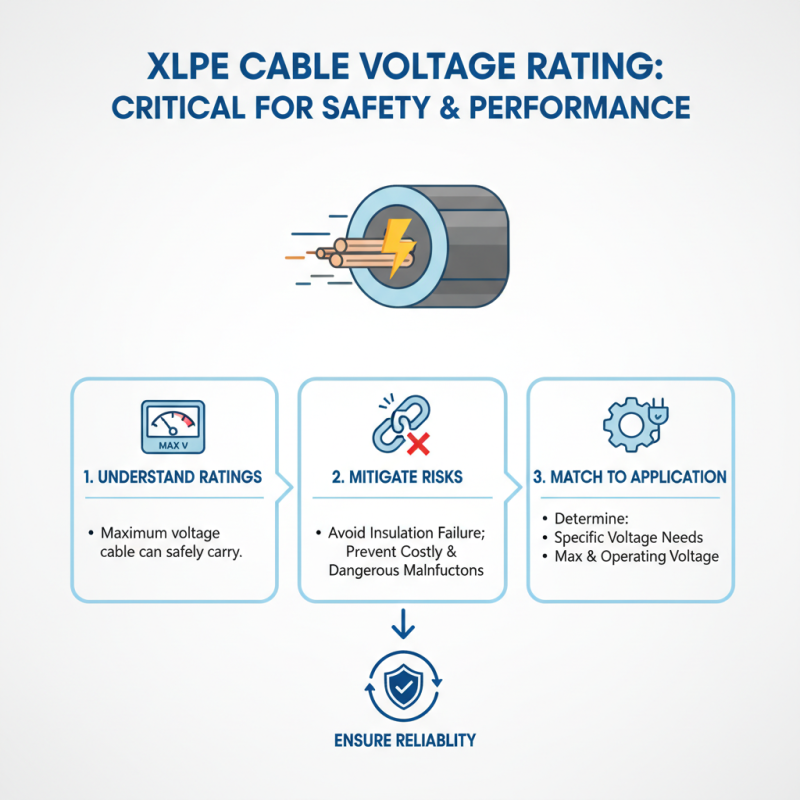
When selecting XLPE insulated power cables, understanding the voltage rating is critical. Voltage ratings indicate the maximum voltage the cable can safely carry. A mismatch can lead to insulation failure. This can be costly and dangerous. Always determine the specific voltage requirements of your application. Consider the maximum and working voltage levels.
Application requirements go hand in hand with voltage ratings. Different applications have unique demands. For instance, industrial setups may need heavy-duty cables. In contrast, residential needs may require lighter options. Misjudging these can result in suboptimal performance. It's worth noting that not every cable will work for every situation. Some may even fail under specific conditions. Evaluate each environment carefully.
Keep in mind that high-quality insulation matters. XLPE offers excellent properties, but installation techniques also play a role. Improper handling can damage even the best cables. Look into factors like temperature fluctuations and environmental exposure. Sometimes, it's easy to overlook these details. Reflecting on past experiences can help you make a better choice. Aim for reliability over mere convenience.
Evaluate the Thermal Properties and Current-Carrying Capacity of XLPE Cables
When choosing XLPE insulated power cables, evaluating thermal properties is crucial. XLPE cables are known for their excellent thermal resistance. This property allows them to operate efficiently under high temperatures. Make sure to check the maximum temperature rating of the cable. A higher rating often indicates better performance. Remember, higher temperatures can shorten the lifespan of the cable.
Next, consider the current-carrying capacity. It is essential for preventing overheating. This capacity depends on factors like installation conditions and cable size. A mismatch can lead to failure. Use tools and calculators to determine the correct capacity for your specific application. Don't underestimate the importance of verifying installation conditions. Poor ventilation can affect performance significantly.
Here are a few tips to keep in mind:
- Always consult with professionals if unsure about technical specifications.
- Take time to investigate various options.
- Sometimes, the cheapest choice may not be the best in the long run.
Properly evaluating thermal properties and current capacities can save you from costly mistakes down the line.
Examine the Environmental and Chemical Resistance of XLPE Insulation
When selecting XLPE insulated power cables, understanding their environmental and chemical resistance is crucial. According to the International Electrotechnical Commission (IEC), XLPE insulation offers superior resistance to various chemicals and extreme temperatures. This makes it an ideal choice for many applications.
XLPE insulation can withstand harsher conditions than traditional materials. It has a dielectric strength often exceeding 20 kV/mm. This property ensures safety and longevity in various environments. However, not all manufacturers maintain consistent quality. Some may cut costs by using inferior materials. Regular testing of chemical interactions is essential. For instance, prolonged exposure to chemicals like chlorine can lead to degradation. Not all cables pass these crucial tests.
Industries like construction and utilities face significant risks. They often overlook the impact of harsh surroundings on cable longevity. A study from the IEEE revealed that many failures result from poor material selection in high-chemical environments. This highlights the need for careful consideration. Buddy systems for monitoring and maintaining cables can help identify early signs of deterioration. Awareness is key in improving safety and reliability.
Compare the Cost and Lifespan Benefits of XLPE Versus Traditional Cables
When comparing XLPE insulated cables to traditional insulation options, the cost and lifespan benefits become clear. Industry reports indicate that XLPE cables have a lifespan of over 40 years, significantly longer than the 20-30 years typical for PVC cables. This longevity translates to lower replacement costs over time. Additionally, the initial investment for XLPE cables may be higher, often around 15-20% more than traditional alternatives. However, the savings on replacement and maintenance make XLPE a smart choice.
Moreover, XLPE cables exhibit enhanced thermal and electrical properties. This means they withstand higher temperatures and voltage levels without deteriorating quickly. According to a study by the International Energy Agency, XLPE cables show a 50% reduction in energy loss compared to older technologies. Yet, it's essential to note that environmental considerations do come into play. The production processes for XLPE can be more resource-intensive. Therefore, while selecting the ideal cable, weigh both the long-term benefits and the environmental impact of your choice.