What is Three Core Flat Cable and Its Applications?
Three Core Flat Cable is an essential component in modern electrical systems. It is designed to provide reliable power distribution and efficient connectivity. This cable consists of three conductors, typically made from high-quality copper. Its flat design allows for easy installation and reduces space requirements.
In various industries, the applications of the Three Core Flat Cable are extensive. It is commonly used in household wiring, lighting, and electrical appliances. Additionally, it is favored for its flexibility and ease of use. Users appreciate its durability and resistance to wear. These features make it suitable for both indoor and outdoor applications.
However, not all Three Core Flat Cables are created equal. Variations in material quality and insulation can affect performance. Ensuring the right specifications for your needs is vital. This aspect requires careful consideration, as it can have significant implications for safety and efficiency. The more you know about these cables, the better equipped you are to make informed choices.
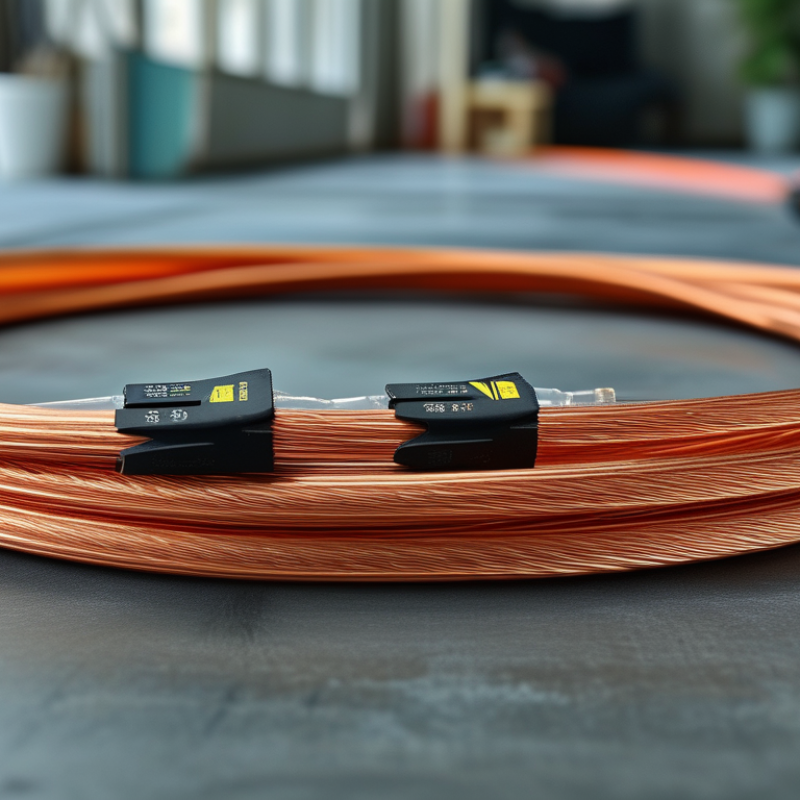
What is Three Core Flat Cable?
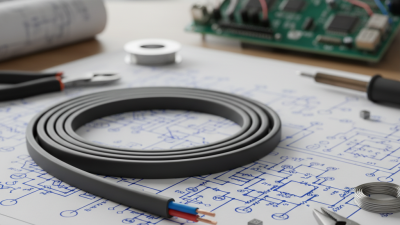
Three Core Flat Cable is a versatile electrical wiring solution widely used in various industries. It consists of three insulated conductors laid flat, offering flexibility and ease of installation. This design minimizes the space required compared to traditional round cables. It's commonly used in lighting, power distribution, and appliance connections, especially in homes and commercial buildings.
Recent industry reports indicate that the demand for flat cables has grown by 15% annually. This growth reflects the increasing need for efficient wiring systems that save space and enhance safety. The flat design also reduces electrical interference, making it ideal for networking and communication systems. Many engineers prefer Three Core Flat Cable due to its reliability in high-performance scenarios.
**Tip:** When installing Three Core Flat Cable, ensure proper insulation and separation between the conductors. This practice minimizes the risk of short circuits and enhances the cable's longevity.
Despite its benefits, consider potential issues such as improper installation, which can lead to connectivity problems. Regular inspections are necessary to maintain its performance. Investing in quality materials is essential to prevent future challenges, ensuring long-lasting and efficient electrical systems.
Applications of Three Core Flat Cable
This chart represents the frequency of applications of Three Core Flat Cable across different sectors. As illustrated, residential wiring is the most common usage, followed by commercial installations and industrial equipment.
Key Features of Three Core Flat Cable
Three core flat cable is a versatile wiring solution designed for various applications. Its structure typically features three conductors arranged flat, enabling easier installation in tight spaces. This unique configuration makes it ideal for residential and commercial wiring.
Key features set three core flat cables apart. Firstly, the flat design reduces tangling, which can happen with round cables. This makes deployment simpler on job sites. Second, it offers good flexibility, allowing it to bend around corners without damage. Additionally, these cables often come with robust insulation. This insulation protects against moisture and abrasion.
Tip: Always check the voltage rating before installation. Voltage mismatches can lead to short circuits.
Improper handling of these cables may lead to performance issues. Inspect the cable for any signs of wear before use. This can prevent future problems. Proper installation ensures safety and efficiency, so take your time.
Common Applications of Three Core Flat Cable
Three core flat cables are versatile electrical wires used across various applications. They consist of three conductors, typically including a live wire, a neutral wire, and an earth wire. This design enhances their functionality in powering electrical devices efficiently. One common application is in household wiring systems, where these cables supply electricity to lighting fixtures and outlets.
Another significant application is in power distribution for appliances. For instance, they can be found in extension cords and power strips, providing safe connections for multiple devices. Their flat design allows for easier installation, especially in tight spaces. For portable applications, these cables are lightweight and flexible, making them ideal for temporary setups on construction sites or in event staging.
Tip: Always check the cable ratings before use. Overloading can lead to overheating and potential hazards. Ensure your installation area is dry and free from moisture.
In commercial settings, three core flat cables are often used for data transmission in network setups. However, improper insulation can lead to signal interference. Quality matters. If you're unsure about installation, consulting an electrician is wise. This adds a layer of safety and expertise.
Advantages of Using Three Core Flat Cable
Three core flat cables are widely used in various applications due to their practical features. These cables typically contain three conductors within a flat exterior, making them simple to install and manage. They are often seen in household appliances, lighting systems, and small electronics where efficient power distribution is key.
One significant advantage of three core flat cables is their flexibility. The flat design allows for easy routing through tight spaces. This is particularly beneficial in residential wiring, where aesthetics and space-saving are crucial. Additionally, these cables are lightweight, reducing strain on fixtures and making installation more accessible.
Tip: When choosing a three core flat cable, consider the environment where it will be used. Indoor settings may have different requirements than outdoor applications.
Another helpful aspect is their durability. These cables are often resistant to wear and tear, ensuring long-term reliability. Yet, it’s essential to conduct regular checks. Over time, even durable cables can show signs of damage that need addressing.
Tip: Always inspect cables visually for cuts or fraying before installation. This small step can prevent larger issues later.
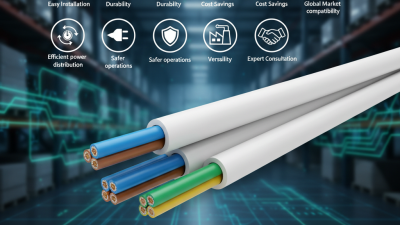
The structure of three core flat cables is designed for safety. The three cores typically include live, neutral, and earth wires. This arrangement offers better protection against electrical faults, making them a favored choice in residential and commercial installations.
Installation and Maintenance Considerations for Three Core Flat Cable
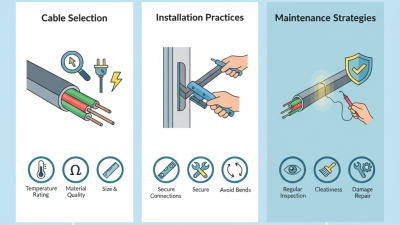
Three core flat cables are essential components in many electrical systems. Proper installation and maintenance are crucial for optimal performance. A study from the International Electrotechnical Commission highlights that incorrect installation can lead to a 30% increase in electrical failures. Ensuring that all connections are secure and that cables are not subjected to undue stress can alleviate potential issues.
During installation, it is vital to consider the environment where the cable will be used. Outdoor installations might require additional protection against UV light and moisture. Moreover, flat cables should not be tightly twisted or bent beyond their specified limits to avoid damage. Regular visual inspections help identify wear or tears that could affect performance.
Maintenance schedules should incorporate checks for exposed connections and physical integrity. A report from the National Electrical Code suggests that routine assessments every six months can significantly reduce the risk of unexpected failures. While these proactive measures seem straightforward, many organizations overlook them. Skipping maintenance can lead to safety hazards and increased downtime, reminding us of the need for diligence.