Top Household Wire Types for Your Home Projects What to Choose?
When planning home projects, selecting the right type of household wire is crucial. Expert electrician John Smith emphasizes, "Choosing the right wire can make or break your project." Understanding the various household wire types is essential for safe and efficient electrical work.
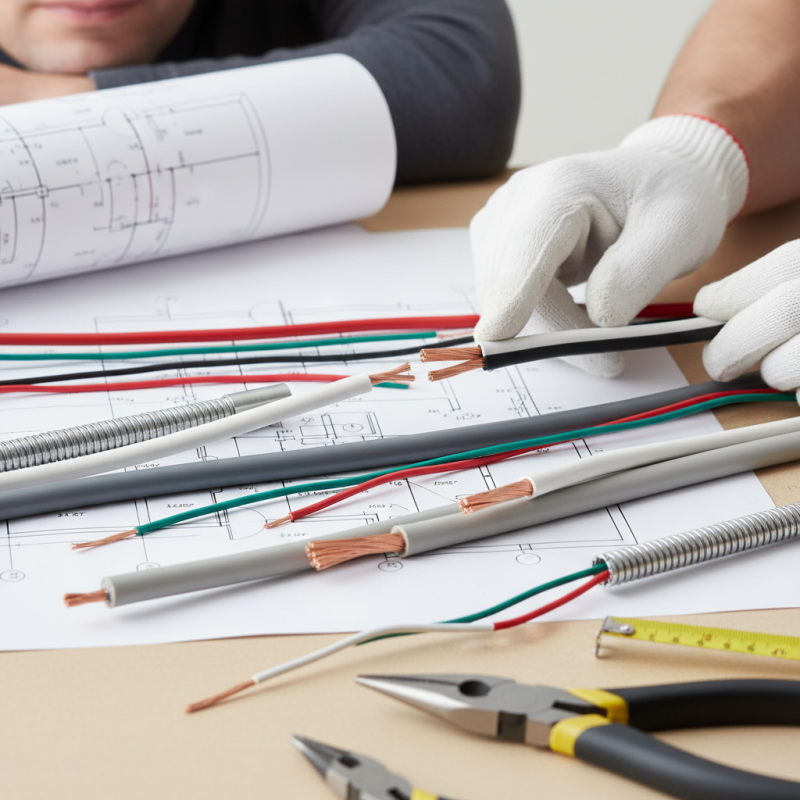
Different tasks require different wire types. For instance, indoor lighting often uses NM cable, while outdoor projects might need UF cable. Each type has unique benefits and limitations. Missteps can lead to serious problems like overheating or electrical failures.
It's easy to overlook the importance of quality in household wire. Many homeowners choose the cheapest option, but this can result in poor performance. Think about your project’s demands and the wire’s role. Inconsistent choices may lead to regrets later on. Investing time to learn can save you headaches down the line.
Understanding the Basics of Household Wiring Types
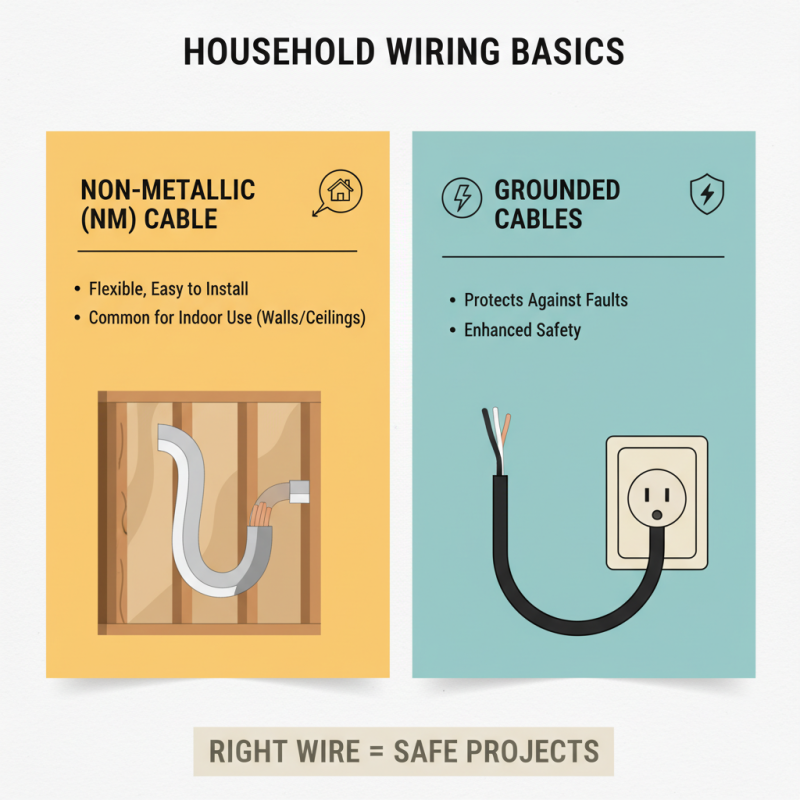
When it comes to household wiring, understanding the basics is essential. Different types of wires serve various purposes. For instance, non-metallic (NM) cable is commonly used for indoor applications. It’s flexible and easy to route through walls and ceilings. Another popular option is grounded cables, which protect against electrical faults. Knowing when to use each type is key to successful home projects.
Choosing the right wire type is crucial for safety and efficiency. Poor choices can lead to problems like short circuits or overheating. It’s important to inspect existing wiring as well. Outdated or damaged wires might need replacing. Always prioritize safety, especially when working with DIY projects.
One common mistake is underestimating the gauge needed for heavy-duty appliances. Wires that are too thin can’t handle the load and create risks. Reflecting on your home’s wiring needs ensures you select the proper materials. Opt for wires that meet local electrical codes. Quality matters significantly; investing in reliable options pays off.
Common Types of Household Wires Used in Home Projects
When it comes to household wiring, understanding the common types is essential for various home projects. One popular choice is the non-metallic sheathed cable, often called NM cable. This type is widely used for indoor wiring. It's flexible, easy to handle, and ideal for residential applications. Many homeowners prefer NM cable due to its simplicity. It typically comes in different gauges, accommodating diverse electrical needs.
Another common type is the conduit wire. This wire is usually housed in a protective sheath, ensuring safety in exposed areas. It's great for outdoor projects or places with a higher risk of physical damage. While installing conduit wiring can be more complex, it offers durability and protection. Homeowners should consider local building codes when using conduit.
Lastly, there’s the Romex wire, a staple in many homes. While it's convenient for general wiring tasks, it has constraints. It cannot be used in damp or wet areas without additional protection. This may seem limiting, yet it emphasizes the importance of project planning. Identifying the right wire type not only enhances safety but also prevents future issues. Every choice matters, and knowing the options available can empower homeowners during installation.
Choosing the Right Wire Gauge for Your Electrical Needs
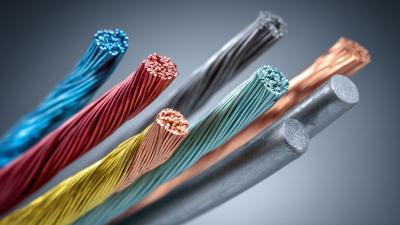
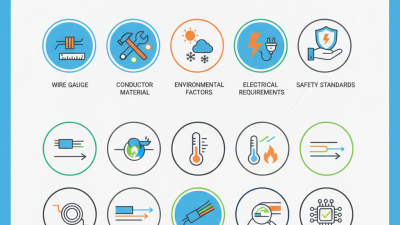
Choosing the right wire gauge for your electrical needs can greatly affect the safety and performance of your home projects. Wire gauge determines how much current can safely pass through the wire. For instance, a lower gauge number means thicker wire capable of handling more load. On the other hand, thinner wires (higher gauge numbers) are suitable for lighter applications.
When selecting wire, consider the total amperage of your project. Always refer to a wire gauge chart to match the amperage with the appropriate wire size. This is crucial to avoid overheating and potential fire hazards. Using a wire that is too thin can lead to dangerous situations. It's important to be cautious and meticulous.
Tips: Always check local codes for wire specifications. Consider using a slightly larger gauge for added safety. If unsure, consulting with an electrician can prevent costly mistakes. Proper wire selection reflects not just knowledge but respect for safety. Remember, overconfident choices can lead to regrettable outcomes. So, take your time and make informed decisions.
Safety Considerations When Working with Household Wiring
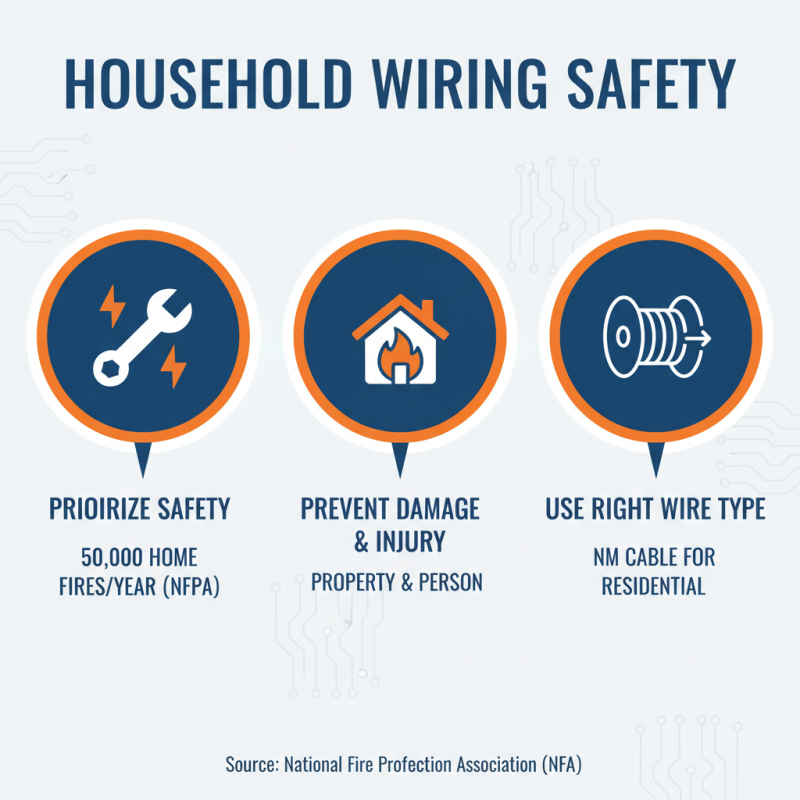
When working with household wiring, safety must be your top priority. According to the National Fire Protection Association (NFPA), electrical failures cause 50,000 home fires annually, leading to significant property damage and injuries. Ensuring you use the right wire types is crucial. For example, using non-metallic sheathed cable (NM) is generally preferred for residential projects.
Tip: Always turn off the power at the circuit breaker before starting any electrical work. This simple step can prevent severe accidents.
It's also vital to understand ampacity, the maximum amount of electrical current a wire can safely carry. The American Wire Gauge (AWG) system provides a good reference. For instance, a 12 AWG wire can carry up to 20 amps in residential settings. This knowledge helps you choose the correct wire size for your project needs.
Tip: Double-check local building codes before beginning any project. Compliance with regulations can avoid potential safety hazards.
By maintaining a focus on safety and adhering to guidelines, you can reduce risks associated with electrical projects. Always be cautious and ready to adjust your methods based on ongoing assessments of your work environment.
Tips for Proper Installation and Maintenance of Household Wires
Choosing the right household wire for your projects is essential. Proper installation and maintenance ensure safety and longevity. Industry reports indicate that about 50% of electrical fires stem from poor wiring practices. Therefore, understanding how to install and maintain your wires is crucial.
When installing wires, always adhere to local codes and regulations. Use the correct gauge based on the load to prevent overheating. For instance, a 14-gauge wire is typically suitable for 15 amp circuits. When connecting wires, ensure that the connections are tight. Loose connections can lead to arcing, which is dangerous.
Routine maintenance is equally important. Inspect wires for signs of wear or damage at least once a year. Look for frayed insulation or exposed copper. If you notice anything unusual, replace the wire immediately. Regular checks can save you from costly repairs or, worse, a fire hazard. It's easy to overlook these details, but they are vital. Always take the time to ensure your home wiring is in peak condition.