Top Single Conductor Wire Types for Your Electrical Needs?
In the realm of electrical wiring, the choice of Single Conductor Wire is crucial. Experts, like John Anderson, a renowned electrical engineer, emphasize its importance. "Selecting the right type of wire can make all the difference in performance and safety," he states.
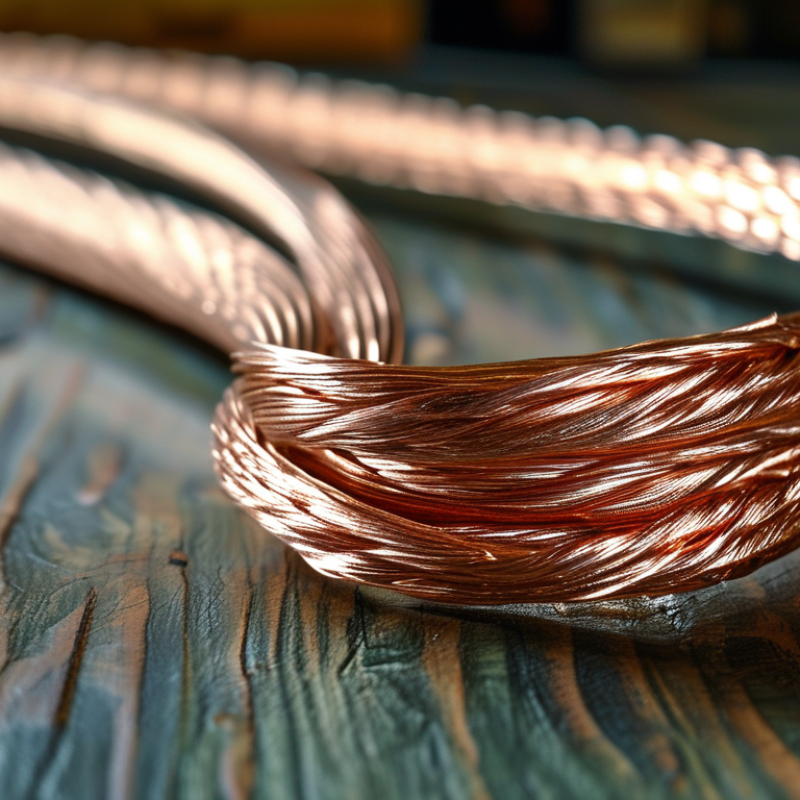
Single Conductor Wire offers versatility for various applications. It caters to both residential and industrial needs. Understanding the different types available ensures optimal performance. For example, copper wires are known for their excellent conductivity. On the other hand, aluminum wires are lightweight and cost-effective.
However, not all Single Conductor Wire options are suitable for every situation. Factors such as insulation type and temperature ratings play a vital role. A common oversight is neglecting these details, which can lead to failures. Therefore, it’s essential to evaluate and reflect on your specific requirements before making a decision.
Overview of Single Conductor Wires and Their Applications
Single conductor wires play a crucial role in various electrical applications. These wires are designed for specific uses, making them versatile and vital. Common types include THHN, NM-B, and PVC-insulated wires. Each type serves unique functions, addressing diverse needs in both residential and industrial settings.
According to the National Electrical Manufacturers Association (NEMA), single conductor wires are essential for electrical installations. They account for over 50% of the wiring used in new constructions. Their applications range from lighting fixtures to power distribution systems. The versatility of these wires ensures they fit easily into different cable configurations.
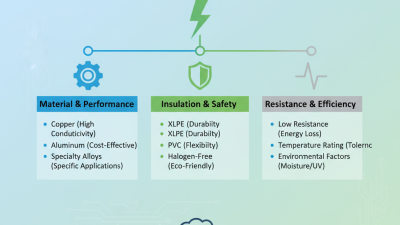
The choice of material also impacts performance. Copper wires, for instance, offer excellent conductivity and reliability. However, aluminum wires, while cheaper, require careful handling due to their thermal expansion properties. It’s critical to weigh options based on the specific requirements of your project. Overlooking these factors can lead to inefficiencies and potential hazards. Each application demands diligence and careful selection to ensure safety and effectiveness.
Characteristics of Copper vs. Aluminum Single Conductor Wires
When choosing between copper and aluminum single conductor wires, it's essential to understand their distinct characteristics.
Copper is renowned for its superior conductivity, boasting a conductivity level of around 59% IACS (International Annealed Copper Standard).
This high conductivity means copper wires can efficiently transmit electrical current, making them a popular choice in demanding applications.
Their durability is an added advantage, as copper wires can withstand high temperatures without degrading.
On the other hand, aluminum wires offer a lightweight alternative.
They typically weigh about one-third of copper wires. This feature can lead to easier installations and reduced structural support requirements.
However, aluminum has a lower conductivity, approximately 61% of that of copper.
This difference can lead to heat buildup in high-load scenarios. Furthermore, aluminum wires require careful termination to prevent oxidation,
a process that can compromise performance over time.
Industry data indicates that while copper wires are often favored for reliability,
aluminum wires can be cost-effective for larger projects.
Selecting the right wire is crucial, as the wrong choice could lead to increased energy costs or safety hazards.
Knowing these features allows for informed decision-making tailored to specific electrical needs.
Common Insulation Types for Single Conductor Wires
When selecting single conductor wires for electrical projects, the choice of insulation type is crucial. Common insulation materials include PVC, THHN, and XLPE. Each serves different environments and applications. PVC is known for its versatility. It's durable and cost-effective, but it lacks high-temperature resistance. On the other hand, THHN wire, which combines nylon and PVC, is designed for higher-heat conditions. This makes it essential for many commercial applications.
XLPE insulation is gaining traction due to its excellent thermal properties. According to a recent industry report, wires with XLPE insulation can withstand temperatures up to 90°C under continuous use. This can significantly enhance the lifespan of electrical installations. However, XLPE can be more challenging to handle during installation. These factors necessitate careful consideration of project requirements.
Not all insulation types are suitable for every scenario. For instance, PVC may degrade over time in high-UV environments. Understanding the limitations of each option is essential for achieving optimal performance. Many professionals report encountering issues when the insulation type does not align with environmental demands. Choosing the right insulation can make a sizeable difference in project outcomes.
Selecting the Right Gauge for Your Electrical Projects
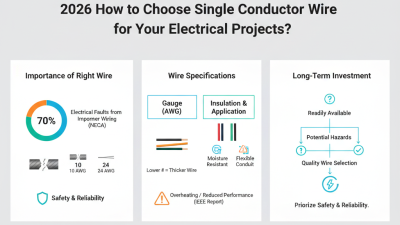
Selecting the right gauge of single conductor wire is essential for ensuring safety and efficiency in electrical projects. Wire gauge refers to the diameter of the conductor. A smaller gauge indicates a thicker wire. The American Wire Gauge (AWG) standard is widely used, and it can sometimes be confusing. For example, a 12 AWG wire can handle up to 20 amps, while a 14 AWG wire is limited to 15 amps. Choosing a wire that's too thin may lead to overheating or fire hazards.
It's also important to consider the length of the wire run. Longer runs require thicker wire to maintain voltage levels. For instance, when using a 14 AWG wire over a distance of 100 feet, you may experience a voltage drop of 3%. This drop can affect the performance of your devices. Industry reports suggest that at distances greater than 50 feet, using a larger gauge wire can prevent such issues.
While many projects may use the minimum required gauge for cost savings, it’s wise to consider potential future needs. Oversizing can prevent problems down the line. Always refer to local codes and consult with an electrician to ensure compliance and safety. Remember, shortcuts in wire selection can lead to costly mistakes later.
Safety Considerations When Using Single Conductor Wires
When using single conductor wires, safety is paramount.
Overheating can lead to short circuits.
Always ensure proper wire gauge for your application.
This choice reduces the risk of electrical failures.
Check for insulation quality, as it protects against moisture and abrasion.
Poor insulation can cause dangerous conditions.
In addition to insulation, consider environmental factors.
High temperatures or exposure to chemicals can degrade wire performance.
Regularly inspect wires for wear or damage.
A tiny fray can lead to significant hazards.
Proper installation techniques are crucial too.
Tight connections can prevent arcing.
Loose wires increase the chances of an electrical fault.
Stay informed about your wiring options.
Not all wires suit every application.
Know the industry standards and guidelines.
Consulting with professionals can provide deeper insights.
Mistakes in wire selection or installation can be costly and dangerous.
Prioritize safety and reliability in every electrical project.