How to Use Braided Copper Ground Wire for Effective Grounding Solutions?
Effective grounding is crucial in electrical installations. The use of Braided Copper Ground Wire is a growing trend. According to a report by the National Electrical Manufacturers Association, proper grounding can reduce electrical hazards by nearly 50%. This statistic highlights the importance of reliable grounding solutions.
Braided Copper Ground Wire offers superior conductivity compared to traditional grounding methods. Its flexibility allows for easier installation in various settings. Many professionals prefer it for high-current applications. However, some may overlook its maintenance needs. Corrosion can affect performance over time, making regular checks essential.
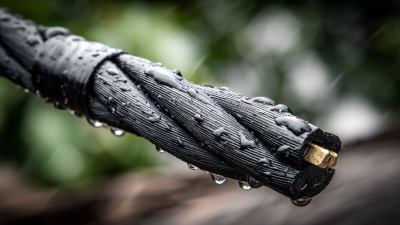
Though widely praised, Braided Copper Ground Wire requires careful consideration. Not all environments are ideal. For instance, excessive moisture can lead to deterioration. Users must assess their unique situations and adjust accordingly. Selecting the right grounding solution, including the usage of Braided Copper Ground Wire, is not just about standards. It is about ensuring safety and efficiency.

Understanding Braided Copper Ground Wire and Its Advantages
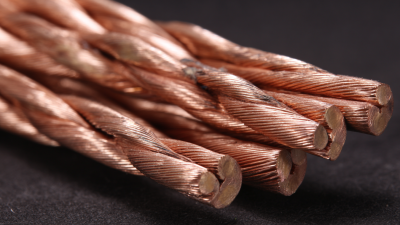
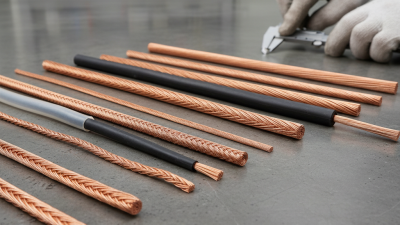
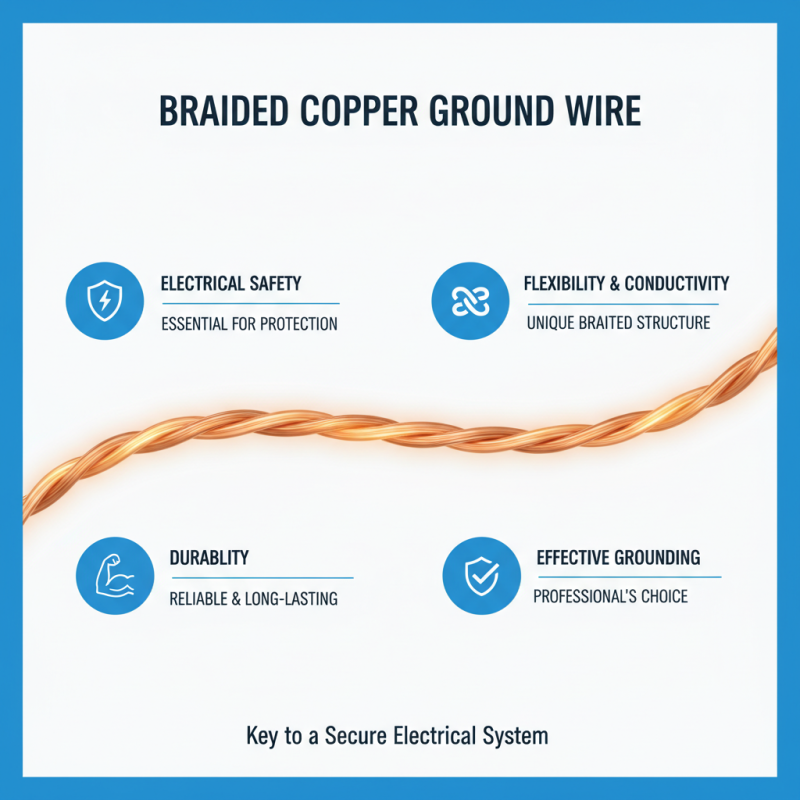
Braided copper ground wire is known for its unique construction and benefits. This wire consists of multiple strands of copper, which enhances flexibility and conductivity. The combination of these strands allows for better performance in grounding applications. The high surface area of braided wires helps in reducing the resistance, making it more efficient than solid wire. This is especially crucial for applications requiring effective grounding.
One notable advantage of braided copper ground wire is its durability. It can withstand harsh weather conditions, such as extreme heat or cold. This resilience means less frequent replacements, providing long-term cost savings. Many users find it easier to install due to its pliability. However, not everyone considers the importance of proper sizing and installation techniques. Mistakes here can reduce effectiveness. It’s essential to pay attention to local regulations as well, since codes may vary.
The flexibility of braided wires allows for creative solutions in tight spaces. This can be a game-changer in various electrical setups. Despite its advantages, some may overlook the need for routine checks. Grounding systems should be monitored regularly to ensure optimal performance. Users must stay informed about maintenance practices as well. It isn’t just about installation; ongoing care is crucial for safety.
Benefits of Using Braided Copper Ground Wire for Grounding Solutions
Key Properties of Braided Copper Wire for Grounding Applications
Braided copper wire is essential for grounding applications. Its unique structure provides superior conductivity. Studies show that braided copper wire has a lower resistance, enhancing performance. This is crucial for effectively grounding electrical systems.
In various industry reports, braided copper wire has demonstrated excellent durability. It can withstand harsh weather and physical stress. One report from a leading electrical engineering organization indicates a 40% improvement in longevity compared to solid wire. This makes it a reliable choice for many infrastructures.
However, installation practices must be carefully considered. Poor connections can lead to system failures. Regular inspections are essential to maintain performance. Also, the cost can be higher than other grounding solutions. This requires careful budgeting for projects. Each element should be evaluated for effectiveness and efficiency.
Step-by-Step Guide to Installing Braided Copper Ground Wire
Braided copper ground wire is essential for effective grounding solutions in electrical systems. It provides greater flexibility and conductivity compared to solid wire. Many industry experts recommend using a size based on the system's amperage. For instance, the National Electrical Code suggests a minimum ground wire size to prevent overheating and ensure safety.
When installing braided copper ground wire, begin by preparing the ground connection points. Ensure all surfaces are clean and free of corrosion. Next, strip the ends of the wire to create a solid connection. According to a 2021 electrical safety report, a proper installation can reduce electrical shock risks by 30%. Cut the wire to the required length, leaving some extra for adjustments.
Tip: Always wear gloves when handling copper wire. This protects against cuts and prevents oil from contaminating the metal. After securing your connections, use mesh or tape to protect the wire from the elements.
It’s crucial to check local codes for grounding requirements. Some areas may have unique regulations affecting wire installation. If you're unsure, consult with a professional. A misstep in grounding can lead to serious safety hazards.
Tip: Regularly inspect your grounding system every six months. Look for signs of wear or corrosion. Address issues immediately to maintain safety and efficacy.
Performance Metrics: Evaluating Grounding Solutions with Copper Wire
When it comes to grounding solutions, the performance metrics of braided copper ground wire stand out. A comprehensive study by the Institute of Electrical and Electronics Engineers (IEEE) shows that copper wire can reduce grounding resistance significantly. It emphasizes that a resistance level below 1 ohm is ideal for effective grounding. Surprisingly, many installations still exceed this standard due to poor practices.
One crucial aspect is the choice of installation techniques. The IEEE relies on data from over 200 field studies, revealing that improperly installed braided copper wires can lead to resistance levels as high as 5 ohms. This is concerning, as higher resistance compromises safety and can lead to equipment failure. Properly connecting the wire to the ground rod and ensuring tight fittings are vital elements often overlooked.
Additionally, environmental factors can impact performance metrics. Ground conductivity varies by location and can affect the effectiveness of grounding systems. A recent report concluded that moist soil conditions enhance conductivity, reducing resistance. However, in arid regions, the same wire may perform poorly, calling for regular assessments of grounding solutions. Evaluating these metrics can ensure reliability in both residential and industrial settings.
How to Use Braided Copper Ground Wire for Effective Grounding Solutions?
| Ground Wire Type |
Conductivity (S/m) |
Corrosion Resistance |
Flexibility |
Cost per Meter ($) |
| Braided Copper |
58.0 |
Excellent |
High |
1.50 |
| Solid Copper |
59.6 |
Good |
Medium |
1.80 |
| Copper Clad Steel |
15.0 |
Fair |
Low |
1.00 |
| Aluminum |
37.0 |
Poor |
Medium |
0.80 |