What is Welding Cable and Its Uses in Various Industries?
Welding cable plays a crucial role in various industries, particularly in manufacturing and construction. According to the National Electrical Manufacturers Association (NEMA), the demand for welding cable is projected to grow significantly in the coming years, driven by increased construction activities and industrial expansion. Welding cable is specifically designed to handle high currents and withstand harsh environments, making it essential for welding applications.
In automotive and shipbuilding sectors, welding cable is vital for ensuring safety and efficiency. Many manufacturers rely on welding cable for its flexibility and resilience under extreme conditions. The American Welding Society emphasizes that using quality welding cable can minimize risks of overheating and electrical faults, which could lead to costly downtime.
Despite its importance, not all welding cables are created equal. It is crucial for industries to invest in reliable and properly rated welding cable. Poor quality cables can lead to safety hazards and affect product quality. Thus, understanding the different types of welding cables and their specific applications is necessary for every professional in the field.
Definition and Composition of Welding Cable
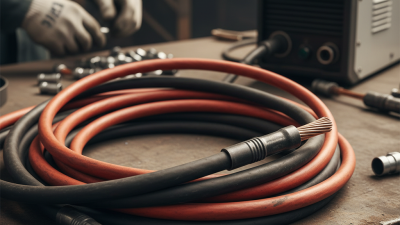
Welding cable is a specialized wire used mainly for electrical connections in welding applications. It is designed to handle high currents and withstand extreme conditions. Typically, welding cables consist of copper conductors, which ensure efficient conductivity. These cables have a durable PVC or rubber insulation that protects them from heat, moisture, and mechanical damage. According to industry reports, the global welding cable market is expected to grow significantly, driven by the increasing demand from various sectors.
In sectors like construction, manufacturing, and shipbuilding, the reliability of welding cables is paramount. A standard welding cable ranges in gauge from 4 to 1,000, which dictates its current-carrying capacity. For example, a 4-gauge cable can carry up to 100 amps, while a 1/0-gauge cable can handle around 150 amps. These details are crucial for ensuring safe and effective welding practices. However, not all cables meet the rigorous standards needed for demanding applications, leading to potential safety hazards.
Some welding cables may suffer from insulation wear over time, affecting their performance. Regular inspections are essential to identify any signs of damage. Industry experts emphasize the importance of selecting the right type of welding cable based on the specific application. Understanding the proper usage ensures maximum efficiency and safety during welding operations.
Key Characteristics of Welding Cable
Welding cable is essential for various applications in industries such as construction and manufacturing. Its design ensures safety and efficiency. Key characteristics of welding cable include flexibility, durability, and heat resistance. This flexibility allows ease of movement in tight spaces and ensures it can withstand harsh working conditions.
The insulation material is also crucial. High-quality materials protect against abrasion and weathering. This durability extends the cable’s lifespan and reduces the chances of failure. Depending on the application, some cables are specifically designed for high amperages. Such specifications help in maintaining consistent welding performance.
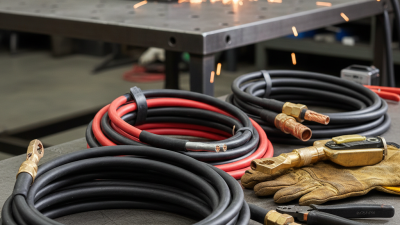
Welding cables come in different sizes and colors, which can indicate their specific uses. Some users may struggle with the right selection, leading to inefficiencies. Understanding the requirements of each project is key to making the right choice. Balancing flexibility and strength can be challenging, especially in demanding environments. It’s essential to consider both the characteristics and the specific needs of your work to ensure optimal performance.
Common Applications of Welding Cable in Industry
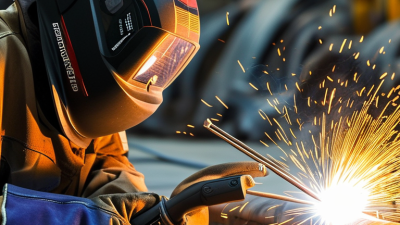
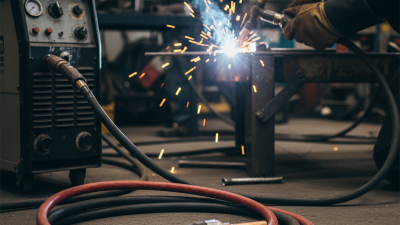
Welding cable plays a crucial role in various industries. Its robust construction allows it to handle high current loads, making it ideal for welding processes. Common applications include automotive manufacturing, shipbuilding, and heavy machinery repair. In these sectors, welding cables must endure harsh environments yet remain flexible and durable.
Welding cables are often used in construction sites for metal fabrication. Workers rely on these cables for their safety and efficiency. The high flexibility of welding cables allows for easy maneuverability around tight spaces. This adaptability is vital to achieving quality welds in demanding conditions.
Tips to consider: Always select the appropriate gauge for your welding project. Using a cable that is too thin can lead to overheating, while a thicker cable might be cumbersome. Regularly inspect cables for wear and damage to ensure safety. In environments with significant movement, proper cable management is essential. This reduces the risk of accidental breaks or short circuits and maintains a safe workspace.
Common Applications of Welding Cable in Various Industries
Safety Standards and Regulations for Welding Cables
When it comes to welding cables, safety standards and regulations play a crucial role. These cables carry high currents, making them subject to strict safety requirements. Regulations often specify the types of insulation materials to prevent electrical shocks. The cables must be durable enough to withstand harsh environments. Proper labeling is also mandatory, ensuring users are aware of the cable's specifications.
Industry regulations often stem from organizations that monitor electrical safety. Compliance ensures that welding cables can safely handle the heat and flexibility required during welding. It's essential for manufacturers to adhere to these guidelines. Regular inspections and certifications are necessary to maintain industry standards. This helps address potential risks, such as overheating or insulation failure, which could lead to serious accidents.
Companies should continually educate their staff on these safety requirements. Awareness can prevent mishaps during operations. Using subpar cables can compromise safety and efficiency, leading to costly consequences. It's essential to reflect on these practices and improve them consistently. Continuous learning and adaptation in response to regulations foster a safer working environment.
Maintenance and Care for Welding Cables
Welding cables require diligent maintenance to ensure safety and efficiency. Regular inspections help identify wear and damage. Check for frays, exposed wires, or melted insulation. These issues can lead to dangerous situations. Small cracks can escalate over time, so early detection is crucial.
Proper storage is essential. Store welding cables in a cool, dry place to prevent moisture damage. Avoid sharp bends or kinks, which can weaken the cable. Keep cables clean and free from debris. Dirt can cause corrosion and affect conductivity.
When using welding cables, inspect connectors before starting any project. Ensure they are clean and free from rust. This simple check can save time and money in the long run. Always prioritize safety by wearing appropriate protective gear. Handling cables with care not only prolongs their life but also protects the user from hazards. Regular maintenance leads to efficiency and safer operations.