What is Xlpe Cable Insulation and its Benefits for Electrical Applications?
Xlpe Cable Insulation has become a leading choice in the electrical industry due to its superior properties. Experts suggest that it offers high-performance solutions for various applications. According to a recent industry report by the International Cable Manufacturers Association, the global demand for Xlpe insulated cables is projected to grow by 6.2% annually until 2027. This growth underscores its importance in modern electrical systems.
Dr. Emily Chen, a prominent figure in the field of cable technology, stated, “Xlpe Cable Insulation significantly enhances the longevity and reliability of electrical systems.” This insulation type withstands extreme temperatures and environmental stress, making it vital for both industrial and residential uses. Yet, it is not without challenges. The production process for Xlpe Cable Insulation is complex and requires careful oversight.
Furthermore, while Xlpe Cable Insulation provides remarkable benefits, such as reduced energy losses and enhanced safety, there are issues regarding cost and manufacturing standards. Addressing these challenges is essential for ensuring widespread adoption. As the industry evolves, understanding both the advantages and limitations of Xlpe Cable Insulation will help drive future innovations.
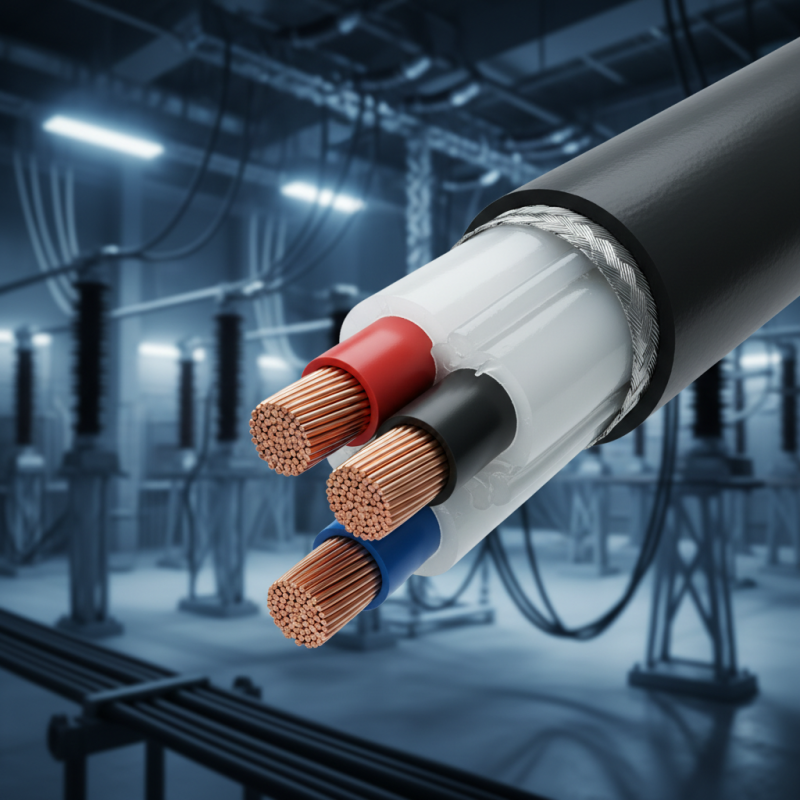
Definition of XLPE Cable Insulation and Its Composition
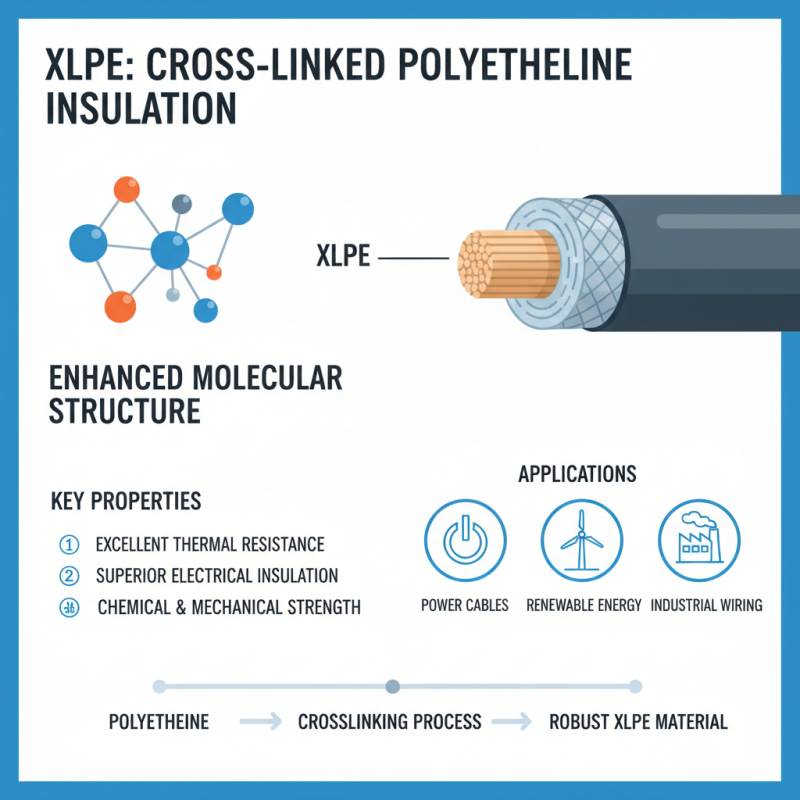
XLPE, or cross-linked polyethylene, is a common insulation material used in electrical cables. It offers excellent thermal and electrical properties, making it ideal for various applications. The composition of XLPE involves a process that enhances the molecular structure of polyethylene, resulting in a robust material. This process increases its resistance to heat, chemicals, and mechanical stress.
XLPE insulation typically includes additives that enhance its performance. These can improve UV resistance or even fire retardancy. By using a cross-linking technique, XLPE maintains its flexibility and durability under extreme conditions. Many industries rely on this type of insulation for power distribution and transmission. However, not all applications are suitable for XLPE; some environments may still require alternative insulation types.
The benefits of XLPE are clear, but there are always challenges. For instance, it can be more expensive than traditional insulation materials. Installation requires careful handling and knowledgeable teams. Additionally, improper installation can lead to failures. Companies must weigh these factors when choosing XLPE. Making the right choice is crucial for the longevity and safety of electrical systems.
Key Properties of XLPE Material and Their Impact on Performance
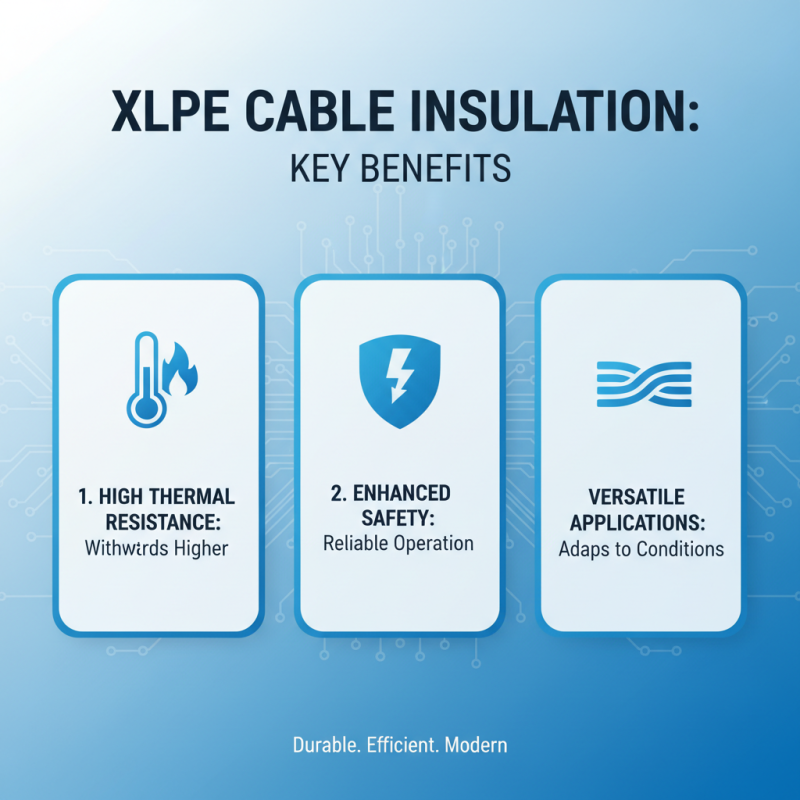
XLPE (Cross-Linked Polyethylene) cable insulation has become a popular choice in electrical applications due to its impressive properties. One key property is its high thermal resistance. This allows XLPE cables to operate effectively in various temperature conditions. The material can withstand higher temperatures compared to traditional insulation options, ensuring safety and reliability.
Another significant aspect is its excellent electrical insulating capabilities. XLPE provides low dielectric losses, which enhances energy efficiency. This is crucial in minimizing power loss during transmission. Additionally, the material is resistant to moisture, making it suitable for outdoor applications. However, improper installation might compromise these benefits.
Tips: Always check installation guidelines. Ensure proper handling of XLPE cables during installation. Any tension can lead to damage.
Furthermore, XLPE is known for its chemical resistance. This helps the cables to endure harsh environmental conditions. However, users must be cautious with extreme chemicals, as some can still affect the material.
Tips: Regularly inspect the cables in industrial settings. Look for signs of wear and tear. Early detection is essential for preventing further issues.
Advantages of XLPE Insulation Over Traditional PVC and Rubber Cables
XLPE cable insulation is a type of cross-linked polyethylene known for its durability and efficiency. Compared to traditional PVC and rubber cables, XLPE offers significant advantages that make it an ideal choice for various electrical applications. One of the major benefits is its high-temperature resistance. XLPE insulation can withstand temperatures up to 90°C, while PVC tends to degrade at higher temperatures.
Another benefit is the improved electrical properties of XLPE. It has a lower dielectric constant, leading to reduced energy losses during operation. This characteristic makes XLPE cables more energy-efficient. In contrast, rubber cables can be less reliable in certain environmental conditions, leading to increased maintenance costs.
**Tip:** Always check the temperature ratings of cable insulation to ensure safety and efficiency.
XLPE insulation also excels in moisture resistance, making it suitable for outdoor or humid environments. Unlike PVC, which can absorb moisture and weaken over time, XLPE maintains its integrity. However, XLPE can be less flexible, posing challenges during installation in tight spaces.
**Tip:** Consider the installation environment when choosing cable insulation.
Using XLPE cable insulation can lead to longer-lasting and safer electrical systems. While it may be more expensive upfront, the lower maintenance costs and energy savings can justify the investment.
What is Xlpe Cable Insulation and its Benefits for Electrical Applications? - Advantages of XLPE Insulation Over Traditional PVC and Rubber Cables
| Feature |
XLPE Insulation |
PVC Insulation |
Rubber Insulation |
| Temperature Resistance |
Up to 90°C |
Up to 70°C |
Up to 60°C |
| Dielectric Strength |
High |
Moderate |
Lower |
| Moisture Resistance |
Excellent |
Good |
Poor |
| Chemical Resistance |
Very Good |
Moderate |
Variable |
| Lifespan |
Long (over 40 years) |
Medium (20-30 years) |
Short (10-15 years) |
| Environmental Impact |
Lower |
Higher |
Higher |
Statistical Insights into XLPE Cable Usage in Electrical Infrastructure
XLPE cables, or cross-linked polyethylene cables, are increasingly vital in modern electrical infrastructure. Their usage is rising due to their heat resistance and durability. A report shows that around 40% of new installations in industrial settings now use XLPE insulation. This shift is notable amid rising demands for efficient energy solutions.
The benefits of XLPE are clear. It has a higher thermal resistance compared to traditional materials. This property allows cables to operate at higher temperatures, enhancing performance. Additionally, XLPE is less prone to environmental stress. However, it is essential to consider installation challenges. Proper handling is crucial to prevent damage during setup. Mismanagement can lead to significant issues down the line.
Statistical insights reveal that countries with expanding electrical grids prefer XLPE cables. They highlight an increasing reliance on this technology in renewable projects. This correlation suggests a promising future. Yet, the potential for manufacturing inconsistencies raises questions. Quality control remains a concern within this transforming industry. There’s room for improvement in monitoring production processes.
Applications of XLPE Cables in Renewable Energy and High-Voltage Systems
XLPE (cross-linked polyethylene) cables are revolutionizing the electrical landscape, especially in renewable energy and high-voltage systems. They provide excellent thermal stability, which is vital for efficient energy transmission. According to a report by the International Energy Agency, the demand for reliable energy solutions is increasing globally. XLPE cables meet this demand with their ability to withstand high voltages up to 400kV.
In renewable energy applications, XLPE cables are often used in wind farms and solar power plants. Their lightweight nature allows for easier installation and reduced labor costs. A study by Energy Networks Australia indicated that the adoption of XLPE in renewable systems leads to a 15% decrease in overall energy losses. However, some critics mention that XLPE cables can be more expensive initially compared to traditional options, potentially hindering their wider acceptance.
Moreover, the longevity of XLPE cables is impressive. They can last over 30 years under proper conditions. Yet, there are environmental concerns regarding their production and disposal. Research shows that while XLPE is durable, its recycling options are limited. This creates a paradox for sustainable energy developers who aim for eco-friendly choices. Balancing performance with environmental impact remains an ongoing challenge.