Best Crane Cable Options for Global Buyers in 2026?
In the evolving landscape of industrial equipment, the selection of optimal Crane Cable options is critical for global buyers. According to the latest market reports, the global crane cables market is projected to grow by over 5% annually through 2026. This growth is driven largely by increased construction and infrastructure projects worldwide. Crane cables play a pivotal role in ensuring safety and efficiency in lifting operations.
Industry experts emphasize the importance of material quality and design in crane cables. High-quality materials, such as steel or synthetic fibers, significantly enhance the durability and performance of lifting operations. However, not all options on the market provide the same reliability. Buyers must consider various attributes like load capacity, flexibility, and resistance to environmental factors. This choice can affect operational efficiency and safety.
It's essential for buyers to acknowledge that the quality of crane cables varies widely. Some cheaper alternatives may seem attractive but often lead to higher maintenance costs and risks. Investing in premium crane cables may initially require a larger budget but offers long-term savings and improved safety. As the market continues to diversify, informed decisions will become increasingly valuable for discerning global buyers.
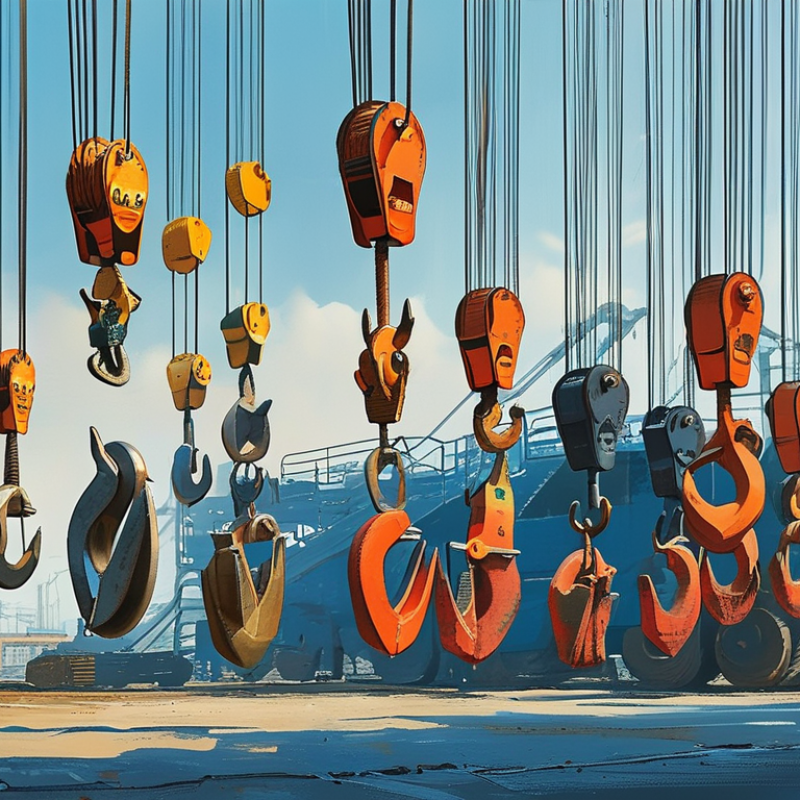
Overview of Crane Cable Types in 2026
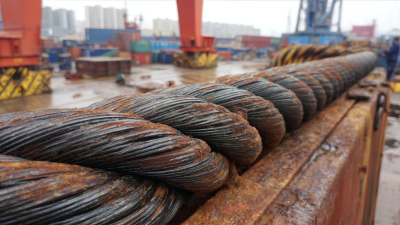
In 2026, crane cables continue to evolve, reflecting technological advancements and industry needs. The most common types include wire rope, synthetic ropes, and specialized cables designed for heavy lifting. Each of these options caters to distinct operational requirements. For instance, wire ropes remain popular due to their strength and durability. They also offer excellent resistance to wear, making them suitable for demanding environments.
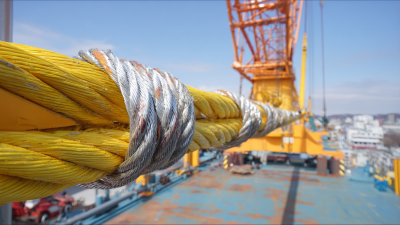
Industry reports indicate that synthetic ropes are gaining traction. They are lighter than traditional wire ropes and provide significant flexibility. Furthermore, synthetic cables can reduce wear on lifting equipment. A recent analysis from the Global Crane Market report showed a 15% increase in demand for synthetic cables over the past few years. Yet, their susceptibility to UV damage and environmental factors raises concerns.
Specialized cables are worth mentioning as well. These cables often feature unique coatings, enhancing resistance to chemicals and abrasives. However, their higher cost can be a deterrent for some buyers. Buyers need to consider both performance and affordability when selecting crane cables. Balancing these factors ensures optimal performance while managing long-term costs.
Key Factors Influencing Crane Cable Selection
Choosing the right crane cable is crucial for safety and efficiency in lifting operations. Several key factors influence this selection. Material type is one significant aspect. Many reports indicate that steel cables are favored for high strength, while synthetic options provide lightweight alternatives. The choice depends on the specific requirements of the environment and application.
Environmental conditions play a pivotal role as well. Cables must withstand corrosion, abrasion, and extreme temperatures. Studies reveal that humidity can decrease cable lifespan, pushing buyers towards more durable options. Load capacity is another essential factor. It's vital to select cables that can handle the maximum load, with an added safety margin. Using an improperly rated cable can lead to serious accidents.
Consider regular inspections and maintenance. They help identify wear and tear early, ensuring safety and performance. Remember that proper handling during installation prevents unnecessary damage. A recent industry survey suggested that up to 30% of cable failures occur due to improper installation techniques. Staying informed about the latest safety standards is equally important. Keep updated on industry regulations and recommendations to select the best crane cable.
Best Crane Cable Options for Global Buyers in 2026? - Key Factors Influencing Crane Cable Selection
| Cable Type |
Material |
Max Load (tons) |
Temperature Range (°C) |
Average Lifespan (years) |
Cost (per meter) |
| Standard Steel Cable |
Steel |
25 |
-20 to 70 |
15 |
$5.00 |
| Synthetic Fiber Cable |
Polyester |
15 |
-40 to 80 |
10 |
$3.50 |
| High-Strength Wire Rope |
Stainless Steel |
30 |
-10 to 60 |
20 |
$7.00 |
| Portable Crane Cable |
Copper |
10 |
-30 to 50 |
5 |
$4.50 |
Comparative Analysis of Global Crane Cable Suppliers
The crane cable industry is evolving rapidly. In 2026, global suppliers must adapt to changing demands. A recent report indicates that the global crane cable market is expected to grow at a CAGR of 5.2% from 2021 to 2026. This growth is driven by industrial expansion and increased demand for durable materials.
Comparative analysis highlights variations among suppliers. Some excel in manufacturing specialized cables for specific applications. Others focus on cost-effective solutions that meet basic requirements. Testing standards for cranes indicate that cables must endure extreme conditions. Suppliers that invest in quality control tend to have better reliability ratings.
While many options exist, gaps in product versatility remain. Buyers often report difficulties in finding cables that meet both safety standards and performance criteria. Industry experts suggest increased collaboration between suppliers and end-users to bridge this gap. The need for customized solutions is clear as sectors like construction demand cables that can withstand heavier loads.
Emerging Trends in Crane Cable Technology
Emerging trends in crane cable technology are set to shape the industry in 2026. As heavy machinery evolves, so do the materials and technologies used in crane cables. Recent reports indicate that the global crane cable market is projected to grow at a CAGR of 7.5%, reaching approximately $5 billion by 2026. This growth aligns with the increasing demand for safety and efficiency in construction and industrial operations.
One significant trend is the development of advanced composite materials. These materials provide improved durability while reducing weight. For example, cables made with high-strength synthetic fibers can withstand extreme conditions. This shift not only enhances performance but also contributes to lower operational costs. Industry data shows that companies that adopt these advanced cables reported a 30% increase in productivity due to decreased downtime.
Moreover, automation in manufacturing processes is changing the landscape. Smart cables equipped with sensors provide real-time monitoring. This innovation helps prevent failures and allows for predictive maintenance. Reports suggest that investing in such technology can reduce maintenance costs by up to 25%. However, the transition to these advanced systems poses challenges, particularly in training personnel to adapt to new technologies. The ongoing evolution in crane cable technology requires constant adaptation and critical assessment of emerging options.
Emerging Trends in Crane Cable Technology for 2026
This bar chart illustrates the projected growth of various crane cable technologies in 2026. The chart highlights the increasing demand for lightweight materials, enhanced durability, and smart cable solutions as industry standards evolve.
Regulatory Standards and Compliance for Crane Cables in 2026
In 2026, regulatory standards for crane cables are expected to evolve significantly, impacting manufacturers and users alike. Recent data from the International Organization for Standards suggests that compliance with safety regulations will increase by 30% across global markets. This shift emphasizes the need for rigorous testing and certification processes to ensure safety and reliability.
Organizations must adapt to these changes to avoid potential penalties and ensure the safety of operations. Compliance with updated standards will involve regular inspections and documentation of crane cable performance. The European Union has reported that non-compliance can lead to fines up to 5% of annual revenue for manufacturers. This potential financial risk highlights the urgency for companies to align their practices with the latest regulations.
Furthermore, the demand for certification and adherence to quality standards underscores the importance of material selection. Selecting cables designed for high tensile strength and resilience is crucial. However, there are gaps in knowledge among buyers regarding these materials. This gap necessitates further education and consultation from industry experts to ensure informed decision-making in cable procurement.