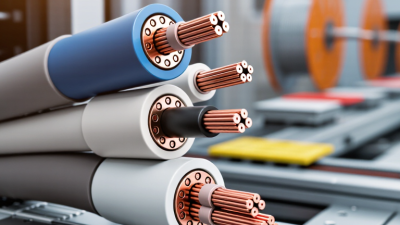
What Is Three Core Flat Cable Used For?
Three Core Flat Cable is used when an installation needs three electrical conductors arranged in a low-profile, orderly form. Its flat shape can fit narrow channels, behind equipment panels, or through compact assemblies where round cable may be harder to route. Depending on its conductor size, insulation, and electrical rating, it can be suitable for control circuits, lighting equipment, appliances, or connections inside machinery. The precise application matters. A cable that fits neatly may still be unsuitable for heat, moisture, vibration, or repeated movement.
This guide looks at common uses and explains how a cable’s construction affects its performance. It also considers practical details, such as conductor material, rated voltage, temperature limits, and the manufacturer’s stated bend requirements. Three cores do not automatically indicate a particular wiring function; the intended circuit and cable specifications must be checked before selection. That detail is easy to overlook. In real installations, space constraints can tempt people to choose by shape alone, but a neat fit is not proof of compatibility. Reviewing the product datasheet and seeking qualified guidance for the specific equipment can help avoid a poor match. The aim is to make the cable’s uses clearer while showing where careful checking remains necessary.
What Is a Three-Core Flat Cable?
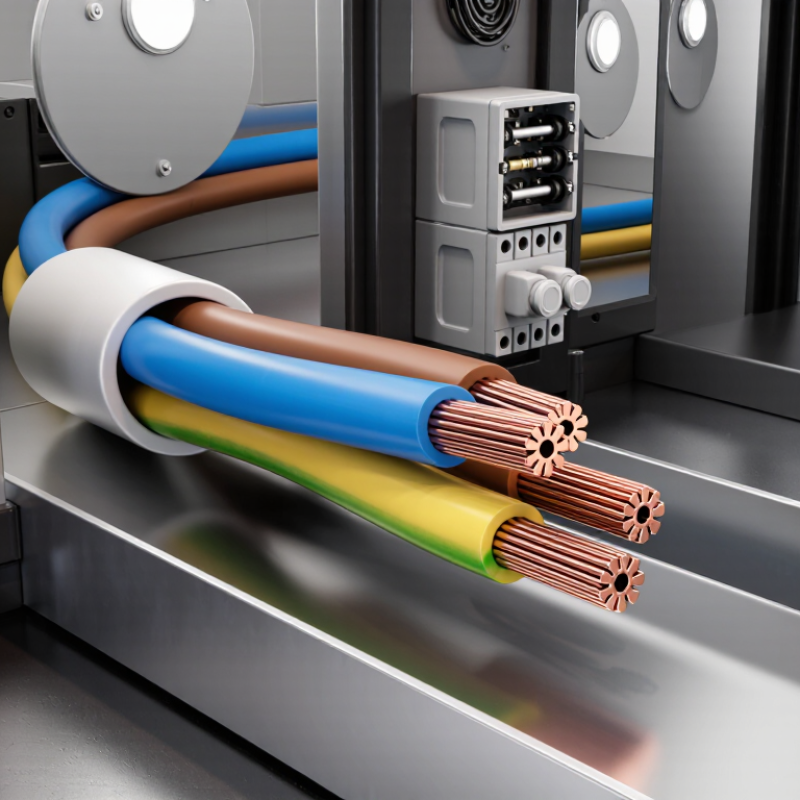
A three-core flat cable is an electrical cable with three insulated conductors arranged side by side in a flat profile. A common outer sheath holds the cores together, making the cable easier to route along surfaces or through narrow spaces than many round cables. Three conductors. One flat profile.
Depending on its design, it may supply line, neutral, and protective earth in a single-phase circuit, or carry other power and control connections. Core colors and functions vary by region and cable type, so never identify a conductor by color alone. Also check how the manufacturer counts “three core”: some descriptions distinguish three conductors from a separate earth conductor. The label can be confusing.
Flat three-core cables are used in equipment wiring, control panels, and suitable fixed installations, but the right application depends on voltage, current, temperature, installation method, and local requirements. IEC 60228 defines conductor classes and nominal cross-sectional areas; it does not make every cable suitable for every installation. The IEA’s Electricity 2024 report projects global electricity demand growth averaging about 3.4% annually from 2024 to 2026, reflecting expanding electrical needs, not a specific forecast for flat cable. Check the cable’s markings and technical sheet before installation.
What Is Three-Core Flat Cable Used For?
Three-core flat cable contains three insulated conductors arranged side by side. It is commonly used for fixed wiring where three conductors are needed, such as lighting circuits with two-way switching and other control or power connections.
The chart shows common nominal conductor cross-sectional area options per core. The correct cable size depends on load, installation conditions, protective devices, and applicable electrical regulations.
How Are Its Three Conductors and Insulation Arranged?
A three-core flat cable places three insulated conductors side by side in a flat, parallel arrangement. The cores usually run together along the cable’s length, rather than twisting around one another. This shape can help keep wiring neat in equipment or installations with limited space. The exact conductor material, size, and layout depend on the cable’s design.
Each conductor has its own insulation, which helps prevent contact with neighboring cores. In some designs, an additional outer sheath holds the cores together and provides another layer of protection. Other flat cables may have a different construction, so the product specification matters.
Conductor colors can help identify connections, but color conventions vary. Never rely on color alone when working with unfamiliar wiring. A three-core cable may serve power or control circuits, but its voltage rating, current capacity, and installation environment must match the intended use. That matters.
Tips: Check the cable markings and datasheet before selection. Look for conductor size, insulation rating, and temperature limits. If the arrangement is unclear, ask a qualified electrician. A flat profile is convenient, but it does not make every cable suitable for every route.
Where Is Three-Core Flat Cable Commonly Used?
A three-core flat cable is commonly used for low-profile power connections in buildings, appliances, and equipment. Its conductors lie side by side, making routing easier in narrow channels and behind fixtures. In many single-phase applications, the cores carry line, neutral, and protective earth; the cable’s markings should always be checked, since core roles can vary. Typical examples include lighting connections, appliance wiring, and control equipment. It is a practical fit where a round cable would be awkward, not a universal replacement.
The IEA’s Global Status Report for Buildings and Construction 2023 estimates that buildings used 34% of global energy and produced 37% of energy- and process-related carbon emissions in 2022. That scale helps explain the importance of dependable building wiring, but it does not measure flat-cable use specifically.
For moving equipment, such as a hoist or conveyor, only a cable rated for repeated flexing should be considered; a standard fixed-wiring cable may fatigue or crack. Check conductor size, insulation, temperature rating, and installation conditions against the equipment requirements. The tricky part is easy to miss: a flat profile alone does not make a cable suitable for every route.
How Does Its Flat Design Affect Installation?
Three-core flat cable carries power or control signals where three conductors are needed and the cable’s rating suits the job. Its low, broad profile can help route wiring beneath equipment covers, along shallow channels, or through tight spaces. The exact use depends on conductor size, insulation, voltage rating, and installation conditions.
The flat design changes how the cable sits. It can lie neatly against a panel, making routing easier to inspect and helping avoid bulky loops. In a narrow cable tray, that shape may use space efficiently. Keep it aligned, though. Twisting or sharply folding it can stress the insulation and conductors. A cramped corner is still a cramped corner.
During installation, secure the cable with supports suited to its shape, and protect it from sharp metal edges. Check the specified bend radius and avoid crushing it under clips or covers. Small details matter. The flat profile can make a route look tidy, but it does not automatically make the installation safer or faster. I would verify the cable’s technical data and the equipment’s requirements before choosing a route; that step is easy to overlook when the fit seems obvious.