How to Understand Mv Cables Specifications for Efficient Installation?
Understanding Mv Cables Specifications is crucial for successful installations. Expert engineer John Smith emphasizes, "The right cable ensures safety and efficiency." His statement highlights the importance of selecting appropriate specifications. Many project managers overlook these details, leading to project delays and unforeseen costs.
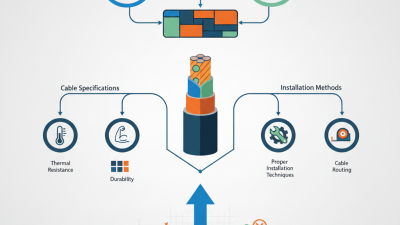
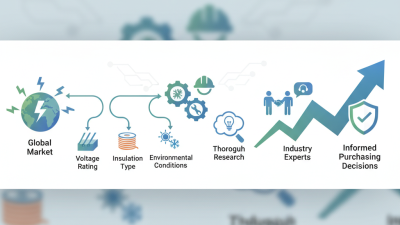
Mv Cables Specifications detail essential parameters like voltage rating, conductor size, and insulation type. These factors impact the performance and longevity of the cables. A common mistake is choosing cables based solely on price, ignoring critical specifications. Doing so can result in failures that compromise overall system reliability. It's important to prioritize quality and compliance.
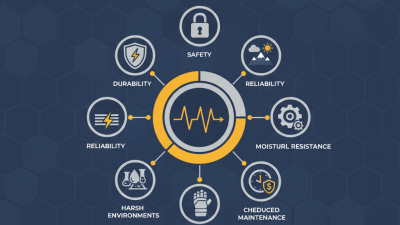
Consider the environment where cables will be installed. Factors such as temperature, moisture, and exposure to chemicals influence cable performance. Understanding Mv Cables Specifications helps professionals make informed choices. Yet, many fail to conduct comprehensive assessments. Addressing these oversights is vital for ensuring efficient installation and long-term success. Remember, the best practices in the industry evolve. Always seek updated knowledge and guidelines.
Understanding the Basics of MV Cable Specifications
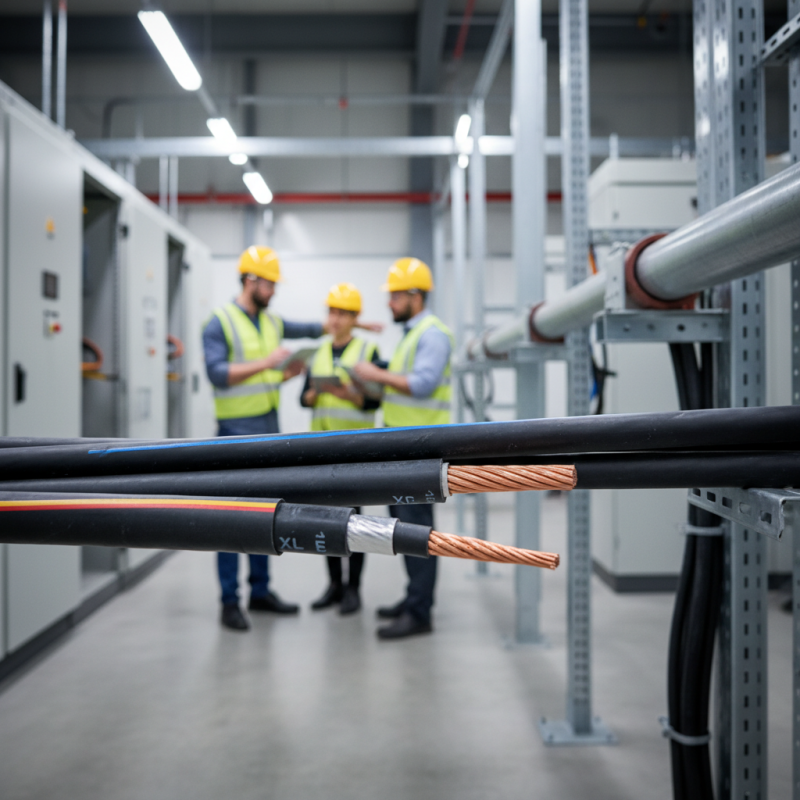
Understanding the basics of medium voltage (MV) cable specifications is crucial for anyone involved in installation projects. MV cables are designed for power distribution systems operating between 1 kV and 36 kV. Key specifications include conductor material, insulation type, and cable size. Conductor choices typically involve copper or aluminum, each with pros and cons. Copper offers better conductivity but at a higher cost. Aluminum is lighter and more cost-effective, yet it has lower conductivity efficiency.
Installation requires attention to insulation types like XLPE and PVC. Cross-linked polyethylene (XLPE) insulation can withstand higher temperatures and has better mechanical properties. However, PVC may be easier to work with during installation. Understanding the thermal and electrical performance characteristics of each type is essential. Selecting the right cable size is equally important to prevent overheating issues and ensure reliable operations.
Practicing due diligence and attention to detail is vital. Mistakes in cable selection can lead to costly project delays. It's important to evaluate external factors such as environmental conditions and load requirements. Interaction between cables and their surroundings can affect performance. A thorough analysis can help identify potential installation issues, granting smoother execution.
How to Understand MV Cables Specifications for Efficient Installation?
| Specification |
Description |
Typical Values |
Applications |
| Voltage Rating |
Maximum operating voltage of the cable |
3.3 kV, 6 kV, 12 kV, 20 kV, 36 kV |
Power distribution |
| Conductor Material |
Material used for cable conductors |
Copper, Aluminum |
Industrial applications, Utilities |
| Insulation Type |
Type of insulation protecting the conductor |
XLPE, PVC |
Residential, Commercial power systems |
| Number of Cores |
Number of conductors within the cable |
1, 3, 4 |
Multi-phase distribution systems |
| Cable Length |
Standard and maximum lengths available |
100 m, 500 m, 1000 m |
Long distance installation |
Key Factors in MV Cable Selection and Installation
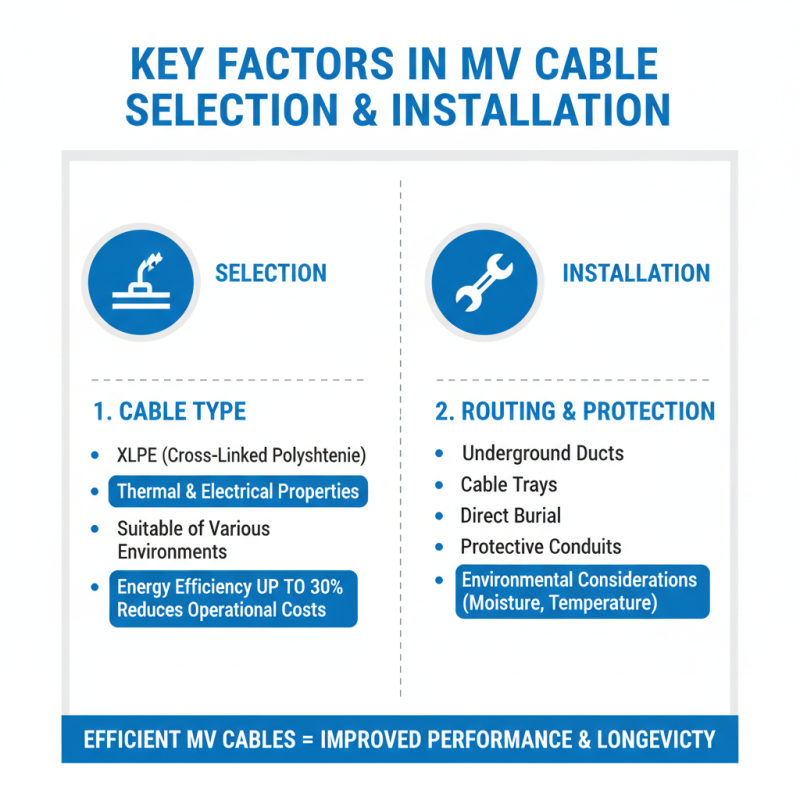
Selecting the right medium-voltage (MV) cables is crucial for an efficient installation. Several key factors must be considered. The first is the cable type, which can affect both performance and longevity. For example, cross-linked polyethylene (XLPE) cables are often preferred for their thermal and electrical properties, making them suitable for various environments. According to industry reports, these cables can improve energy efficiency by up to 30%, ultimately reducing operational costs.
Another vital consideration is the ampacity rating. This rating indicates how much current the cable can safely carry. Failure to comply with this can result in overheating or premature failure. The National Electrical Code (NEC) specifies that proper sizing should allow for heat dissipation, ensuring safety and reliability. A 2021 study found that nearly 20% of MV cable installations failed due to inadequate sizing, highlighting the importance of adhering to specifications.
Proper installation techniques also play a significant role. Important practices include handling and storing cables correctly to prevent damage. Over 15% of cable failures are attributed to mechanical stress during installation. According to a recent technical review, meticulous attention to cable joints and terminations can further ensure a successful long-term performance. Ensuring proper weatherproofing and using quality connectors is also paramount to mitigate risks.
Decoding MV Cable Ratings and Standards
Understanding medium voltage (MV) cable ratings is crucial for efficient installation. MV cables typically range from 1 kV to 35 kV. Their specifications include factors like voltage rating, conductor size, and insulation type. Each of these plays a vital role in ensuring optimal performance. For instance, the conductor size impacts the cable’s current-carrying capacity. Selecting the right size can prevent overheating and failures.
Standards like IEC and ASTM govern MV cable specifications internationally. These standards ensure cables perform reliably under various environmental conditions. It's essential to grasp these standards thoroughly. A mistake in following them can lead to serious issues. Consider the insulation type, as it affects how well the cable withstands moisture and chemical exposure. Using inappropriate cables could result in costly repairs.
Evaluation of manufacturer data sheets is another vital step. They provide information on temperature ratings and installation guidelines. However, discrepancies can occur. Some manufacturers may exaggerate performance claims. Understanding these nuances requires a critical eye. Speaking with engineers or installation experts can help clarify doubts. Each installation scenario may dictate different requirements, making expertise invaluable.
Assessing Environmental Conditions for MV Cable Use
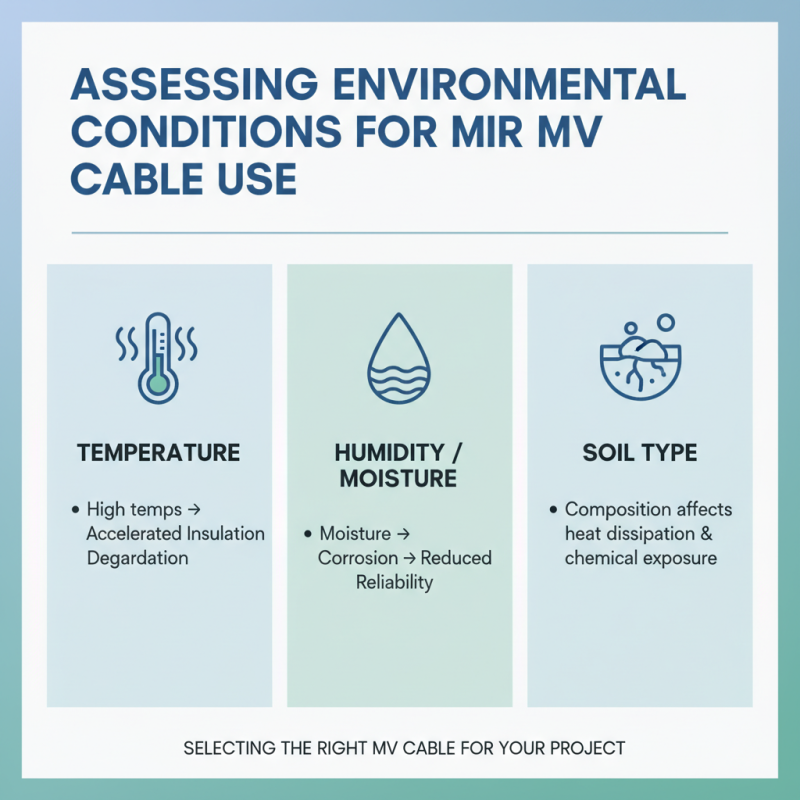
When evaluating the suitability of medium voltage (MV) cables, one critical aspect is the environmental conditions where they will be installed. Factors like temperature, humidity, and soil type significantly influence cable performance. For instance, high temperatures can accelerate insulation degradation. Moisture presence can lead to corrosion, impacting long-term reliability. Understanding these variables helps in selecting the right MV cable for your project.
Soil composition also plays a pivotal role. Different soil types have varying thermal conductivity and chemical properties, which can affect cable heat dissipation. For example, sandy soil typically provides better drainage than clay, potentially lowering the risk of moisture-related issues. Moreover, rocky terrains can complicate installation and increase potential cable damage. Each detail matters when assessing the installation environment.
Human errors occur, such as overlooking local regulations or misjudging environmental factors. It’s vital to conduct thorough site assessments. Engaging with knowledgeable professionals can help mitigate risks. Involving experienced engineers can provide invaluable insights. Their expertise often reveals overlooked considerations, leading to better decision-making. Each installation presents unique challenges, and reflection on past mistakes can lead to improved outcomes.
Best Practices for Efficient MV Cable Installation
When installing medium voltage (MV) cables, understanding their specifications is crucial. However, efficient installation often hinges on best practices rather than a simple checklist. Preparation is key. Ensure the installation site is clear, organized, and free from potential hazards. Proper planning helps to avoid costly mistakes and delays.
Selecting the right tools cannot be overstated. Use appropriate equipment designed for MV cable handling. Sometimes, the wrong tool can lead to damage, which undermines the entire installation. Cables should be handled with care to prevent any insulation damage. Regular checks on the cable’s condition are also vital during installation.
Moreover, following manufacturer guidelines improves reliability. Yet, it’s essential to address any ambiguities that may arise. Each installation site has its unique challenges. Engage with experienced professionals when in doubt. A collaborative effort can often illuminate issues that one person might overlook. Sharing observations and feedback enhances collective knowledge, leading to better outcomes.
Understanding MV Cables Specifications - Installation Efficiency