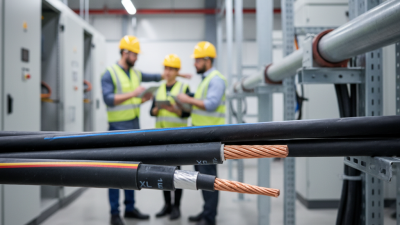
What is a Water Pump Cable and How to Choose the Right One?
Water Pump Cable plays a crucial role in various applications such as irrigation, drainage, and industrial processes. According to industry reports, the demand for robust electrical solutions in these sectors has surged. In fact, the global water pump market is projected to grow at a CAGR of approximately 4.5% from 2022 to 2028. This growth indicates a rising need for reliable Water Pump Cables that ensure efficient operation and safety in water systems.
Choosing the right Water Pump Cable is not a simple task. It requires an understanding of different specifications such as voltage ratings, insulation types, and environmental conditions. A poorly chosen cable can lead to inefficiencies and long-term damage. Data suggests that improper wiring can reduce the lifespan of pumps by up to 30%. Therefore, it is vital to consider factors like material quality, flexible designs, and resistance to moisture and chemicals.
Many professionals overlook these critical details. The wrong decision can lead to costly repairs and downtime. Educating oneself about the characteristics of Water Pump Cables can drastically improve performance and sustainability. By understanding these dynamics, stakeholders can optimize their choices for best outcomes.
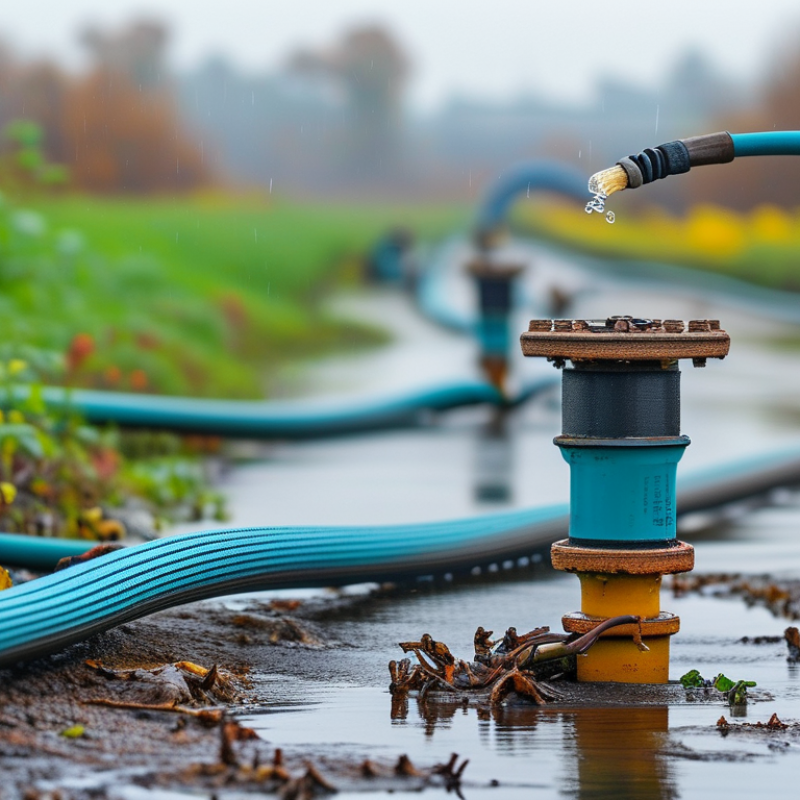
Understanding the Basics of Water Pump Cables
Water pump cables play a critical role in ensuring the efficient operation of water pumps across various applications. These cables are designed to withstand harsh environmental conditions, ensuring a reliable connection between the power source and the pump. A report from the International Electrotechnical Commission emphasizes that water pump cables must meet specific standards, including resistance to moisture and temperature variations. Cables with appropriate insulation and protective coatings are essential to prevent failures and maintain performance.
Selecting the right water pump cable involves understanding the specifications required for the environment it will operate in. For instance, a cable with a high voltage rating may be essential for large industrial pumps, while lower ratings might suffice for residential use. According to a study from the Electrical Safety Foundation, improper cable selection can lead to significant downtime, costing businesses nearly $10,000 per hour on average. Relying on expert recommendations and industry standards is vital for ensuring the right choice.
Installation practices also demand attention. Poorly installed cables can lead to increased risk of failure. According to the National Fire Protection Association, improper cable management accounts for 30% of electrical fires in residential settings. Investing time in learning about cable types and installation techniques can yield long-term benefits. Ultimately, a well-chosen cable enhances both safety and efficiency, underscoring the importance of thorough research and informed decision-making.
Types of Water Pump Cables and Their Applications
Water pump cables are essential for various applications, especially in agricultural and industrial settings.
These cables come in different types, each designed for specific environments.
For instance, submersible cables are particularly suited for underwater installations, ensuring durability and resistance to water damage.
Their insulation is often designed to prevent short circuits.
On the other hand, portable water pump cables cater to mobile operations.
They are lightweight and flexible, making them easy to deploy.
When selecting a cable, consider its insulation type.
High-quality materials enhance performance, even in rugged environments.
Always check the cable's ampacity and voltage ratings.
These factors impact the overall safety and efficiency of the water pumps.
It is also crucial to reflect on the quality of the connections used.
Poorly made connections can lead to heat buildup and burnout.
This often happens when the chosen cable does not match the pump's requirements.
Sometimes, users might overlook the importance of proper grounding, which is vital in preventing electrical shocks.
Balancing all these factors ensures a reliable power supply for your water pump.
Key Factors to Consider When Choosing a Water Pump Cable
When selecting a water pump cable, several key factors must be considered. The cable’s voltage rating is crucial. A mismatch can lead to suboptimal performance. Additionally, pay attention to cable length. Longer lengths may cause power loss, impacting efficiency. Insulation type is another important aspect, as it determines the cable’s resistance to moisture and environmental factors.
Water pump cables are available in various sizes. The wire gauge affects the current carrying capacity. A thicker gauge may be necessary for heavy-duty pumps. Consider the installation environment as well. Cables must withstand conditions like high humidity or exposure to chemicals.
Choosing the right cable can be overwhelming. Examine the specifications carefully. Look for certifications that ensure quality and safety. Always consult reputable sources for guidance. Do not rush the decision-making process. Take time to weigh your options thoroughly to avoid future complications.
Installation Guidelines for Water Pump Cables
When installing a water pump cable, adherence to proper guidelines is crucial for ensuring functionality and safety. According to industry standards, the cable's insulation should withstand the environmental conditions it faces. Corrosion, moisture, and high temperatures can all impact the cable's longevity. It’s essential to select a cable that can resist these factors, ensuring optimal performance in the long run. Reports indicate that improper installation contributes to nearly 30% of water pump failures.
Proper cable sizing is another critical element. Use the correct gauge to prevent overheating and voltage drops. According to the National Electric Code, a water pump cable must match the pump's electrical specifications to ensure efficiency. Connections should be tight and secure to reduce the risk of faults. Experts suggest using waterproof connectors to enhance durability.
Choosing the right connector type is just as important. A connector should provide good electrical conductivity and mechanical strength. Over time, wear from environmental conditions can lead to failures. Some connectors may degrade faster than others. Regular inspections can help identify potential issues before they lead to significant problems. Understanding these factors is key to a successful installation and effective water pump operation.
What is a Water Pump Cable and How to Choose the Right One? - Installation Guidelines for Water Pump Cables
| Cable Type |
Length (meters) |
Voltage Rating (V) |
Current Rating (A) |
Material |
Temperature Rating (°C) |
| Heavy Duty |
10 |
230 |
16 |
Copper |
90 |
| Standard |
15 |
230 |
10 |
Aluminum |
70 |
| Submersible |
20 |
400 |
25 |
Copper |
100 |
| Flexible |
7 |
115 |
5 |
Copper |
60 |
Maintenance Tips for Longevity of Water Pump Cables
Water pump cables are essential for powering pumps in various applications. Proper maintenance can significantly extend their lifespan and efficiency. Regular inspection is key. Check for frayed wires or corrosion. This condition can lead to short circuits, risking equipment failure. According to a study by the International Electrotechnical Commission, damaged cables are responsible for 30% of electrical failures in industrial settings.
Humidity and temperature fluctuations also affect cable performance. Keeping cables dry and away from extreme conditions is vital. Ensure they are not exposed to direct sunlight for long periods. Lack of insulation can lead to overheating, which may reduce cable longevity.
Inspect connections frequently. Loose connections can create resistance, leading to overheating. Pay attention to any signs of burning odors or discoloration around connectors. Such signs often indicate underlying issues that require immediate attention. Keep an organized maintenance log. Record inspections and repairs to track any recurring problems. This practice can help identify weak spots in your setup over time.
Water Pump Cable Performance Analysis